







The Two Giants: Kharif and Rabi
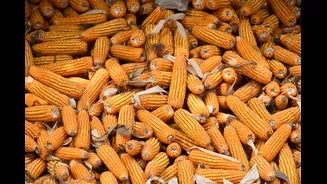
To understand Zaid, we first need to look at its well-known counterparts. The Kharif season, also called the monsoon season, begins with the rains in June and July. Crops like rice, maize, cotton, and soybean, which depend heavily on rainfall, are sown
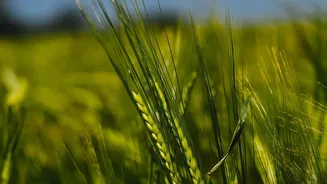
during this time and harvested around September and October. Following this is the Rabi, or winter, season. Starting in October and November, farmers plant crops like wheat, barley, mustard, and gram, which thrive in cooler, drier weather. These crops rely more on irrigation and are harvested in the spring, from March to April. Together, these two seasons form the primary backbone of India's agricultural output.
Introducing Zaid: The Summer Bridge
The Zaid season is the short summer cropping period that neatly fits between the Rabi harvest and the Kharif sowing. Typically running from March to June, it’s a transitional season that makes use of the land that would otherwise lie fallow. The name 'Zaid' itself means 'extra' or 'additional' in Arabic, which perfectly describes its role as a supplementary growing cycle. Unlike Kharif, this season is not dependent on monsoon rains but on assured irrigation, taking advantage of the warm, dry weather and long days characteristic of the Indian summer.
What Grows in the Zaid Season?
Think of the fresh produce that offers relief during the hot summer months—that's the domain of Zaid crops. This season is famous for its fruit and vegetable output. Watermelons and muskmelons are the stars, seeing high demand across the country. Other common Zaid crops include cucumbers, pumpkins, and various gourds like bitter gourd. Beyond fruits and vegetables, farmers also cultivate short-duration pulses like moong dal, which can mature in as little as 60-90 days. Additionally, fodder crops are grown during this period to ensure a steady supply of green feed for livestock during the lean summer.
Why the Zaid Season Matters
Though it covers a smaller area compared to Kharif and Rabi, the Zaid season's importance is growing. For farmers, it represents a crucial third source of income, providing cash flow between the two main harvests. This extra income helps stabilise household finances and makes farming more resilient. It also ensures efficient land utilisation, preventing fields from sitting idle. For consumers, the Zaid season fills a critical supply gap, ensuring a steady stream of fresh vegetables and fruits in the market during peak summer, which helps keep prices stable. The cultivation itself also generates employment during what would otherwise be an off-season for agricultural labour.
Soil Health and Modern Farming
The benefits of the Zaid season extend to the soil itself. The cultivation of certain crops, particularly pulses like moong, plays a significant role in improving soil health. These leguminous crops are natural nitrogen-fixers, enriching the soil and reducing the need for chemical fertilisers for the subsequent Kharif crop. This practice not only lowers costs for farmers but also promotes more sustainable agriculture. While the primary challenge for Zaid cultivation is water availability during the hot, dry months, advancements in irrigation like drip and sprinkler systems are making it more feasible. This combination of an additional income stream and a natural way to rejuvenate soil makes the Zaid season an increasingly integral part of modern Indian farming.