


For the Flower Chaser: Valley of Flowers, Uttarakhand
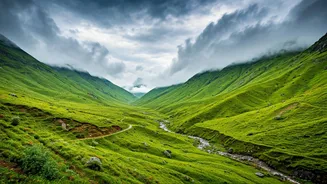
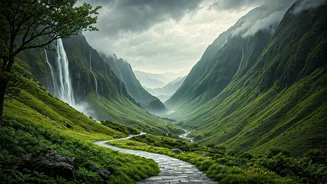
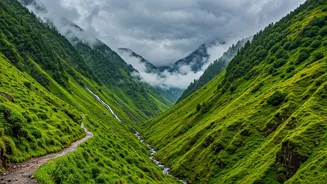
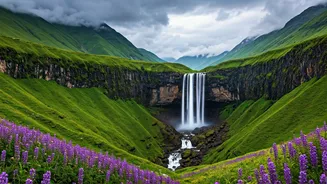
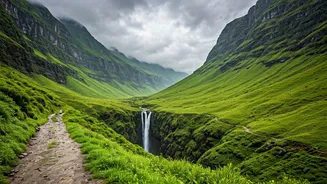
Imagine a carpet of over 600 species of wildflowers blooming across an alpine valley. That's the UNESCO World Heritage site, the Valley of Flowers, for you. [10, 13] The monsoon is precisely when this valley awakens from its snowy slumber. [11, 13] The 2026
season officially opens on June 1st, but the magic truly peaks between mid-July and August when flowers like the elusive Blue Poppy, Cobra Lily, and Brahma Kamal are in their full, vibrant glory. [6, 7, 8] The trek itself, starting from near Govindghat, is considered beginner-friendly, making this high-altitude spectacle accessible to most with a reasonable fitness level. [12] The air is fresh, the landscape is a riot of colour, and the Himalayan backdrop is simply mystical. [10]
For the Romantic Soul: Udaipur, Rajasthan
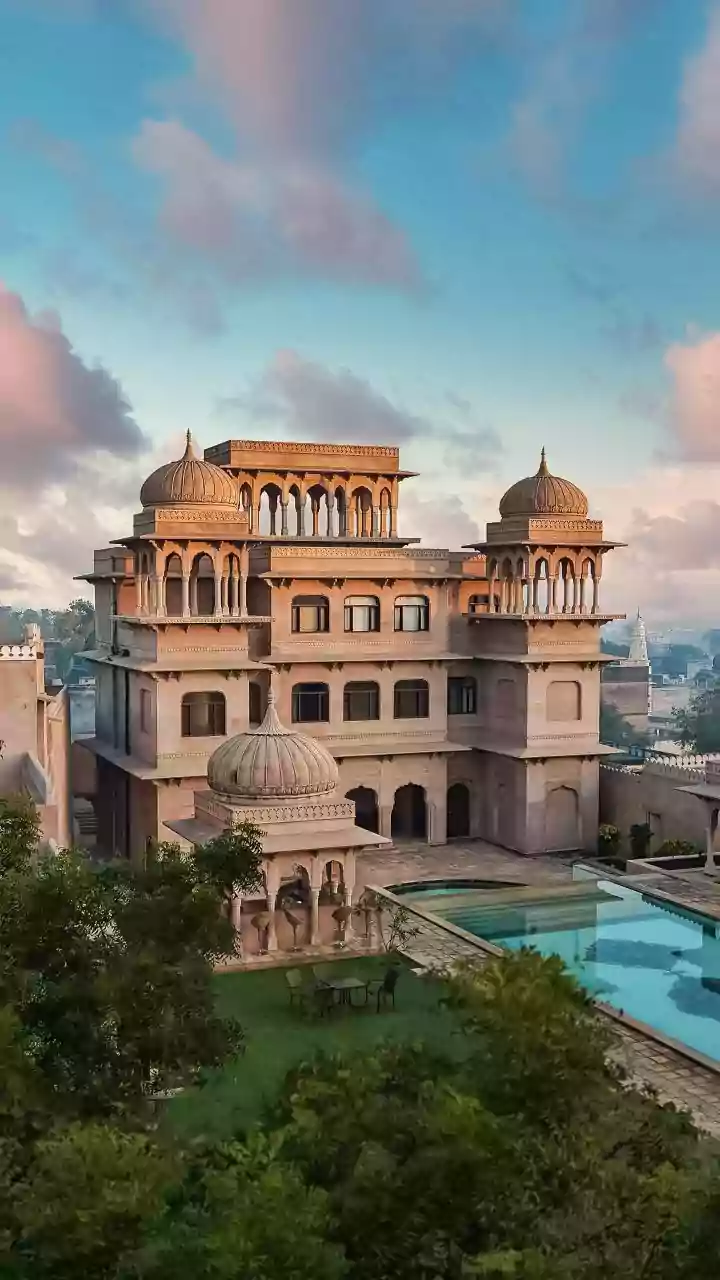
Think Rajasthan is just desert and sun? Think again. During the monsoon, Udaipur, the 'City of Lakes', transforms into a romantic paradise. [3, 14] The searing summer heat gives way to pleasant temperatures, and the rain washes the city's majestic palaces and forts, making them gleam against dramatic, overcast skies. [5, 9] The lakes, including the iconic Pichola and Fateh Sagar, are full and shimmering, making boat rides an essential, almost cinematic experience. [9, 15, 17] The surrounding Aravalli Hills, usually brown and barren, turn a surprising and welcome shade of lush green. [16] With fewer tourists than in peak season, you can explore historic sites like the Monsoon Palace (Sajjangarh) and enjoy the city's cozy cafes and vibrant bazaars at a leisurely pace. [9, 16, 17]
For the Road Tripper: Spiti Valley, Himachal Pradesh
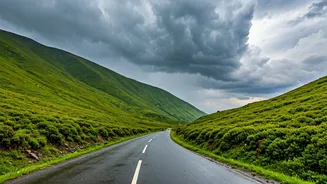
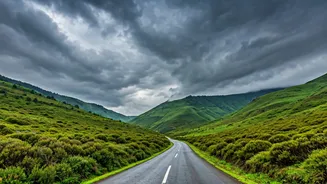
If you're worried about landslides and heavy rain ruining your mountain holiday, head to a rain-shadow region. Spiti Valley is a high-altitude desert mountain valley that receives minimal rainfall, making it one of the safest and most spectacular road-trip destinations during the Indian monsoon. [10, 19] While the rest of the country is drenched, Spiti offers clear skies, rugged landscapes, ancient monasteries perched on cliffs, and pristine high-altitude lakes like Chandra Tal. [19] The Manali-Kaza highway, typically opening around June, presents a challenging but incredibly rewarding drive. [10] It’s a playground for those who seek adventure, ancient culture, and stark, breathtaking beauty away from the monsoon's full force.
For the Serenity Seeker: Kausani, Uttarakhand
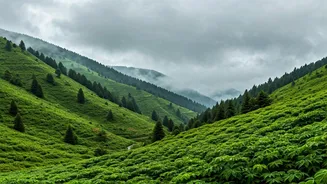
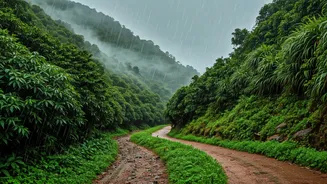
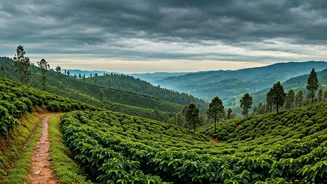
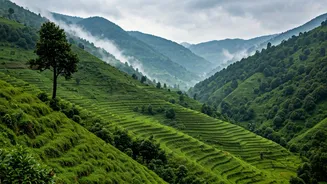
Often called the 'Switzerland of India', Kausani offers panoramic, 300-km-wide views of Himalayan peaks like Nanda Devi and Trishul. [20] During the monsoon, the landscape is a study in green. The rain-washed pine forests, lush tea estates, and verdant valleys create an atmosphere of unparalleled peace and tranquillity. [13, 20] It’s an offbeat destination, meaning you escape the crowds of more popular hill stations. [13, 32] This is the place to unwind, take long walks through misty trails, read a book with a view, and watch the clouds play hide-and-seek with the mighty peaks. The monsoon turns Kausani into a fresh, green, and incredibly restorative retreat.
A Note on Monsoon Adventures
The monsoon playground is full of thrilling activities like trekking and rafting, but it demands respect. [22, 24] Trails become slippery and landslide risks increase in certain areas. [27] Always check the latest weather forecasts, especially regional nowcasts from the IMD. [26] When trekking, wear quick-drying clothes and waterproof shoes with good grip, start your days early to avoid afternoon showers, and carry extra waterproofing for your gear. [25, 28, 29] Leeches can be common, so carrying salt or tobacco is a good idea. [28] Choose well-marked trails and, if possible, go with experienced guides. [29] The beauty of the monsoon is best enjoyed when you're well-prepared and prioritize safety, ensuring your adventure remains a happy memory.