






The Allure of the Konkan Coast
Stretching from the north of Maharashtra down to Goa, the Konkan coast is a treasure trove of natural beauty. It’s a land of contrasts, where the lush Western Ghats meet the Arabian Sea, creating a unique ecosystem of pristine beaches, dense forests,
and tranquil backwaters. For years, this region has been a haven for those seeking an escape from bustling city life. Today, a new form of tourism is taking root here—one that is slow, sustainable, and deeply connected to the local culture and environment. This movement is spearheaded by eco-villages and farmstays that prioritize responsible travel, offering visitors a chance to experience the Konkan's authentic charm without contributing to over-tourism.
A Philosophy of Mindful Travel
Mindful travel is more than just a trend; it's a conscious choice to engage with a destination in a more meaningful way. In the Konkan, this translates to staying in eco-friendly accommodations built with local materials, participating in community-based activities, and developing a genuine respect for the region's heritage. Eco-villages like Maachli Farmstay are designed to have a minimal ecological footprint, often nestled in tropical plantations of coconut, banana, and local spices. This approach supports rural livelihoods and preserves the natural landscape. It encourages travellers to slow down, disconnect from mechanical living, and immerse themselves in the rhythm of village life, from waking up to birdsong to enjoying meals cooked on traditional mud stoves.
The Soul of Konkani Plant-Based Cuisine
While Konkani cuisine is famous for its seafood, its vegetarian offerings are a revelation. The region's plant-based dishes are a testament to its agricultural abundance and culinary ingenuity. The foundation of this cuisine rests on a few key ingredients: coconut in all its forms, the souring agent kokum, tangy tamarind, and a unique regional spice blend called goda masala. Dishes are often a perfect balance of sweet, sour, and spice. Seasonal vegetables, local greens, and fruits like jackfruit and mango feature heavily. A traditional vegetarian thali might include Valache Birde (a field bean curry), rice bhakris (flatbreads), and Sol Kadhi, a refreshing and digestive drink made from coconut milk and kokum that perfectly cleanses the palate.
From Farm-to-Thali
The eco-village experience brings the farm-to-table concept to life in the most authentic way. Many of these stays, such as Mruda Farmstay, are situated on active farms, allowing guests to witness firsthand where their food comes from. The produce is often organic, plucked directly from the surrounding fields and plantations. You might find raw jackfruit cooked into a savory curry, tender bamboo shoots during the monsoon, or sweet pumpkin puris called Bhoplyache Gharge. This direct connection between the land and the plate ensures unparalleled freshness and flavour. It also reflects a deep-seated philosophy of living in harmony with nature, where meals are dictated by the seasons and celebrate what the earth naturally provides.
Kayaking: A Silent Conversation with Nature
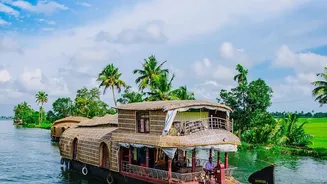
Completing this mindful trinity is the experience of backwater kayaking. Unlike motorised boat tours, kayaking is a silent, non-intrusive way to explore the region's delicate mangrove ecosystems and serene waterways, such as the Karli or Vashishti rivers. Paddling through the calm backwaters of Vengurla or Ratnagiri offers an intimate connection with the environment. It allows you to observe birdlife, admire the lush greenery, and feel a sense of peace that is often lost in more crowded tourist activities. This slow, meditative activity perfectly complements the ethos of the eco-villages, promoting a quiet appreciation for the natural world and creating a holistic travel experience that rejuvenates both mind and body.