



The Cloud’s Growing Shadow
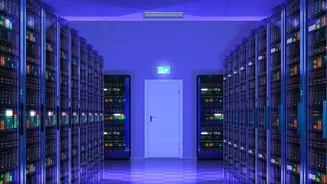
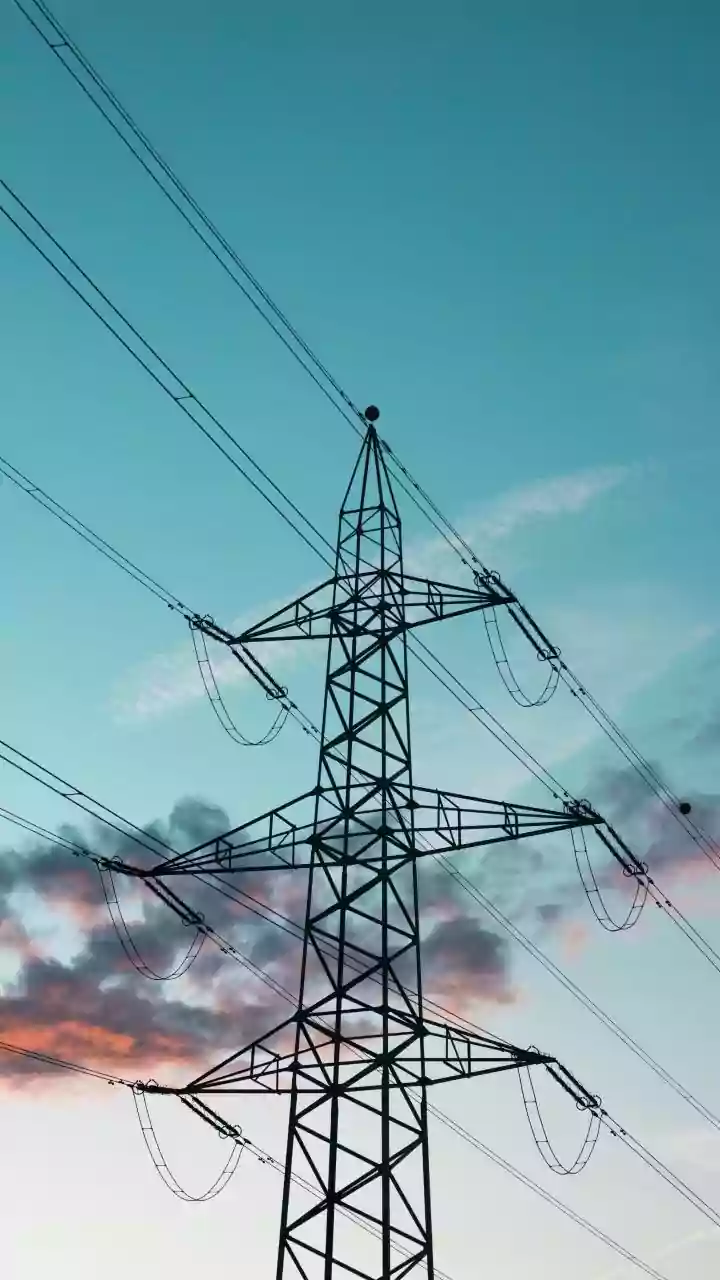
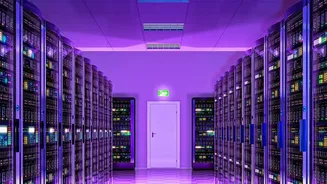
The massive data centers that power our digital lives are consuming electricity on the scale of entire countries. A recent study from Harvard University, published in Nature Sustainability, provides one of the first detailed looks at the energy footprint
of America’s 403 largest 'hyperscale' data centers. Between May 2024 and April 2025, these facilities consumed an estimated 82 terawatt-hours of electricity, which is roughly 1.8% of all power used in the United States. This level of consumption is comparable to the annual energy use of states like Missouri or entire nations like Denmark. The study found this activity generated approximately 26 metric tons of carbon dioxide, a figure two to three times higher than estimates from 2018. Worryingly, researchers noted that more than half of this electricity was generated by fossil fuels, primarily natural gas and coal.
AI Is the New Power Drain
The primary driver behind this escalating energy demand is the explosive growth of artificial intelligence. While data centers have been the backbone of the internet for decades, the computational power required for AI is on another level. Training a single large AI model can consume as much energy as hundreds of homes for a year, and every query made to a generative AI tool like ChatGPT can use four to five times more electricity than a traditional Google search. This has led to a fundamental shift in the energy trajectory of the tech industry. For years, efficiency gains in servers and cooling systems helped keep data center energy consumption relatively flat. However, the sheer scale and power density required by AI has reversed that trend, putting immense pressure on electrical grids. Projections suggest that data centers, which accounted for about 4% of U.S. power use in 2024, could reach 6% by 2026 and potentially double from there by 2030.
America’s New 'Data Belts'
This boom is not happening everywhere equally. It is concentrated in specific 'computing hubs' or 'data center alleys'. Northern Virginia stands as the largest data center market in the world, handling a vast portion of U.S. internet traffic. Other major hubs have formed in Texas, Ohio, Georgia, Oregon, and Arizona, chosen for factors like land availability, tax incentives, and robust fiber optic networks. However, this concentration is creating significant local strain. In Northern Virginia, the demand for power from data centers has grown so rapidly that the local utility has had to pause new connections, a previously unheard-of bottleneck. Communities are also becoming more aware of the environmental impact, from noise pollution to the immense water required for cooling systems, leading to public backlash and local votes to limit or ban new data center developments.
The Industry's Green Paradox
This surge in energy consumption creates a difficult paradox for a tech industry that has publicly committed to ambitious sustainability goals. Major companies like Google, Amazon, and Microsoft have all made pledges to power their operations with 100% renewable energy. Yet, the same companies are at the forefront of the AI race, driving the construction of these power-hungry facilities. The Harvard study found that geography is critical; a data center in coal-heavy Wyoming produces significantly more carbon than one in Oregon, which benefits from hydropower. Faced with grid connection delays, some developers are even proposing building their own on-site natural gas power plants to get online faster, a move that could lock in fossil fuel use for years to come. This reality highlights the immense challenge of reconciling exponential growth in digital demand with the urgent need for decarbonization.
Searching for a Greener Cloud
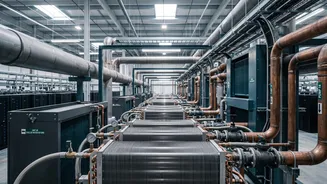
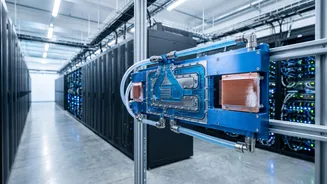
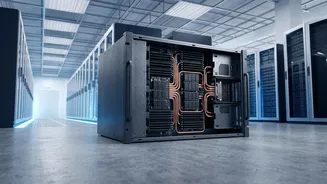
Addressing this issue requires a multi-faceted approach. The most critical step is a faster transition to clean energy. Sourcing power from solar, wind, and hydropower is essential to decarbonizing data center operations. Beyond the power source, innovations in the facilities themselves are key. This includes developing more efficient cooling systems, such as 'liquid cooling' where servers are submerged in a dielectric fluid, which is far more effective than traditional air conditioning. Other strategies involve designing more energy-efficient chips, improving software to optimize computing loads, and finding ways to reuse the vast amount of waste heat generated by servers, potentially for local district heating systems. Ultimately, greater transparency from tech companies is needed, as they rarely publish facility-level energy data, making it hard to hold them accountable and measure progress.