




The Magic of a Plantation Walk
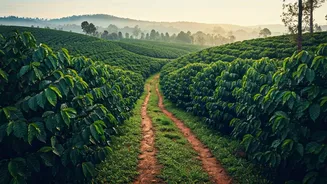
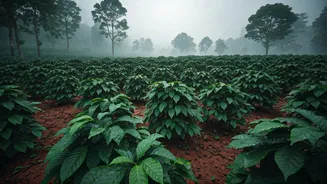
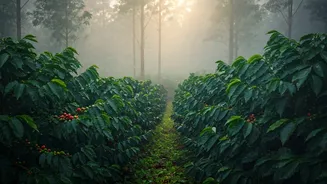
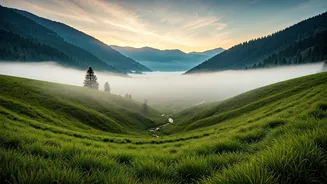
Imagine this: a cool morning, a gentle mist hanging over rolling green hills, and the only sound is the chirping of birds and the soft crunch of leaves under your feet. This is the quintessential Coorg experience—a walk through a sprawling coffee plantation.
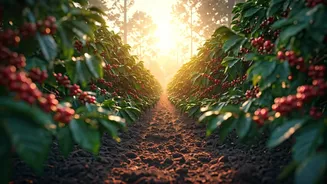
It's more than just a scenic stroll; it's an immersive journey into the heart of India's coffee culture. You get to see the coffee beans, from the delicate white blossoms to the ripe red cherries, and learn about the intricate process that turns a simple fruit into your morning cup. The air itself is an aromatic blend of coffee, pepper, cardamom, and damp earth. For years, this premium experience was often bundled with expensive stays at luxury resorts, placing it just out of reach for many. But the landscape of Coorg tourism is changing.
The Affordability Shift: A Homestay Revolution
So, what exactly has made these walks 'super affordable'? The answer lies in the boom of authentic, family-run homestays across the Kodagu district. Unlike large commercial hotels that charge a premium for curated tours, these homestays offer a more grounded and personal experience at a fraction of the cost. Many are located right in the middle of family-owned estates, and the owners themselves are often your guides. They don’t just recite facts; they share stories passed down through generations. This shift away from resort-centric tourism means you can now get an intimate, expert-led tour for a very reasonable fee, sometimes even included as part of your stay. This democratisation of the plantation walk is opening up the soul of Coorg to a new generation of travellers who seek experience over extravagance.
How to Find Your Perfect Walk
Finding an affordable plantation walk is easier than you think. The key is to look beyond the big travel portals and connect directly with local providers.
1. Book a Homestay: Your best bet is to book a stay at a homestay that includes a plantation walk in its package. When browsing options on booking sites or Google Maps, look for reviews that specifically mention the walk and the host's guidance. Many hosts list this as a key amenity.
2. Contact Local Guides: If you're staying elsewhere, you can still find independent guides. A quick search online for 'Coorg plantation guides' or asking for recommendations at local cafes or your hotel can yield great results. These local experts often charge per person or per group, which can be very economical.
3. Visit a Plantation with Public Access: Some larger, well-known estates like the Tata Coffee Plantation offer guided tours for a set entry fee. While slightly more commercial, they are well-organized, informative, and still highly affordable. They often end with a coffee-tasting session, adding value to the experience.
What to Expect on the Trail
A typical plantation walk lasts between one and two hours. Your guide will lead you through winding paths, pointing out the differences between Arabica and Robusta plants. You'll learn about the lifecycle of the coffee bean, the importance of shade trees, and the other crops like pepper, vanilla, and oranges that are often grown alongside coffee. You'll get to touch the leaves, smell the flowers (if in season, typically February-March), and see the beans being processed. The best guides weave in local history, folklore, and personal anecdotes, making the walk feel less like a tour and more like a conversation with a friend. Many walks conclude with a cup of freshly brewed, single-origin Coorg coffee, often enjoyed on a porch overlooking the very estate you just explored. It’s a true bean-to-cup moment.
Tips for a Great Experience
To make the most of your walk, a little preparation goes a long way. Wear comfortable, closed-toe walking shoes as the paths can be uneven and sometimes muddy. Mornings are the best time for a walk, as the weather is cool and the plantations are at their most atmospheric. Carry a light jacket, as the temperature can be brisk. Most importantly, be respectful. You are walking through someone's livelihood. Don't pluck leaves or fruits unless your guide permits it. Ask questions, engage with your host, and soak in the serene beauty. This isn't just a photo opportunity; it's a chance to connect with nature and the rich agricultural heritage of the region.