




The Building Blocks: Essential Amino Acids
Think of protein as a long chain made of smaller links called amino acids. Our bodies need 20 different amino acids to function, but nine of them are considered 'essential'. This means our bodies can't produce them on their own, so we must get them from
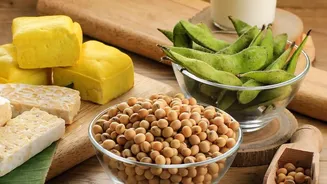
the food we eat. These nine essential amino acids are histidine, isoleucine, leucine, lysine, methionine, phenylalanine, threonine, tryptophan, and valine. They are crucial for everything from muscle repair and hormone regulation to immune function. A food source that contains all nine of these in sufficient amounts is called a 'complete protein'. Animal products like meat, eggs, and dairy fall into this category. Plant-based sources like soy and quinoa are also complete proteins.
What Are Protein Quality Scores?
To measure how well our bodies can use a protein, scientists use 'protein quality scores'. For many years, the standard was the Protein Digestibility-Corrected Amino Acid Score (PDCAAS). This method looks at a protein's amino acid profile and adjusts for how digestible it is. A newer, more accurate method called the Digestible Indispensable Amino Acid Score (DIAAS) is now recommended by organizations like the Food and Agriculture Organization (FAO). DIAAS is considered more precise because it measures the absorption of individual amino acids. Animal proteins generally have higher scores, while many plant proteins score lower because they might be low in one or more essential amino acids. But a lower score doesn't mean a food is not nutritious; it just means it's best eaten as part of a varied diet.
The Magic of Mutual Supplementation
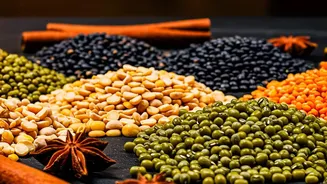
This is where the concept of pairing foods comes in. Many plant-based foods are considered 'incomplete' proteins because they are low in one or two essential amino acids. For instance, legumes like beans, lentils, and chickpeas are typically low in the amino acid methionine. Grains like rice and wheat, on the other hand, are often low in lysine. When you eat them together, they form a 'complementary protein'. The lysine from the legumes makes up for what's missing in the grains, and the methionine from the grains makes up for what's missing in the legumes. This strategy, also known as protein complementation, allows you to easily create a complete amino acid profile from plant-based ingredients.
Classic Pairings You Already Love
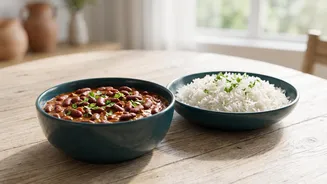
The beauty of protein pairing is that it's already a cornerstone of traditional Indian cuisine. These combinations were not just created for taste; they are nutritionally brilliant. Think of classic comfort foods like Rajma Chawal (kidney beans with rice) or Dal Chawal (lentils with rice). The same principle applies to South Indian staples like Idli or Dosa (made from a fermented batter of rice and lentils) served with Sambar (a lentil-based stew). Even a simple meal of Roti (wheat flatbread) with any dal is a perfect example of pairing a grain with a legume to achieve a complete protein. Other global examples include hummus (chickpeas) with pita bread (wheat) and Mexican rice with beans.
Myth vs. Reality: Do You Need to Eat Them Together?
For a long time, it was believed that you had to eat complementary proteins in the exact same meal for your body to use them effectively. This created a lot of stress for those following vegetarian or vegan diets. However, modern nutritional science has debunked this myth. Your body is smarter than that. It maintains a 'pool' of free amino acids that it can draw from throughout the day. This means as long as you consume a variety of protein sources—grains, legumes, nuts, and seeds—over the course of a day, your body can combine the amino acids as needed to build complete proteins. You don't need to meticulously plan every single meal. A varied diet is the most important factor.