

The Soul of the River
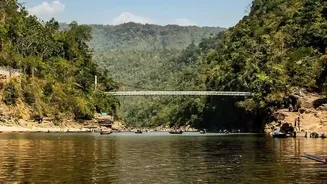
In the heart of Assam, nestled within the mighty Brahmaputra River, lies Majuli, an island that feels like a world unto itself. Often cited as one of the world's largest river islands, Majuli is more than just a geographical curiosity; it is the cultural
soul of Assam. Life here moves at a different pace, dictated by the rhythm of the river. The island is a hub of Assamese neo-Vaishnavite culture, home to dozens of 'satras'—monastic centres that serve as hubs for art, prayer, and philosophy. Visiting a satra offers a glimpse into centuries-old traditions, from intricate mask-making at Samaguri Satra to the devotional dances and music that echo through the halls of Auniati Satra. This isn't a landscape you simply observe; it's one you enter.
Living the Island Life
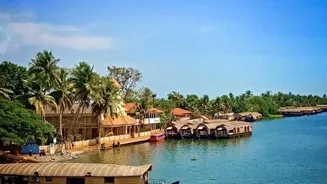
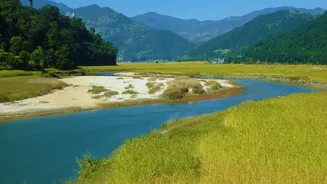
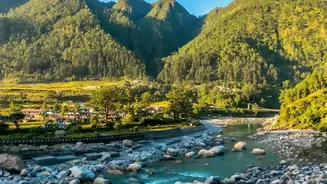
The experience of Majuli extends beyond its monasteries. It’s found in the quiet moments: cycling along narrow paths that cut through vibrant green paddy fields, watching fishermen cast their nets at sunset, and interacting with the local Mishing tribe in their distinctive stilt houses. The island is a testament to sustainable living, where villagers practice traditional handloom weaving and unique pottery techniques without the use of a wheel. This deep connection between the people and their environment transforms the scenery from a passive backdrop into an active, living culture. The sights of Majuli—the verdant fields, the wide-open grasslands, and the expansive river—are deeply intertwined with the experience of its gentle, slow-paced way of life.
The Call of the High Peaks
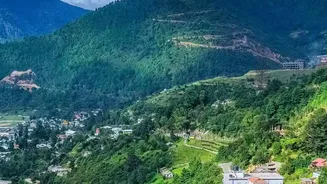
In stark contrast to Majuli's low-lying tranquillity stands the colossal mountain scenery of states like Arunachal Pradesh and Sikkim. Here, the landscape is defined by verticality and grandeur. The journey itself becomes an integral part of the experience, with winding roads that climb to dizzying altitudes. Sela Pass in Arunachal Pradesh, situated at over 13,700 feet, serves as a gateway to the Tawang Valley. Crossing it is a rite of passage, offering jaw-dropping views of a rugged, almost lunar landscape dotted with sacred, crystal-clear lakes. The air is thin, the wind is sharp, and the sense of scale is humbling. This is nature in its most raw and powerful form, a sight that commands reverence.
More Than a Mountaintop View
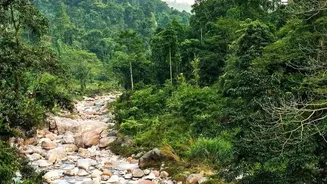
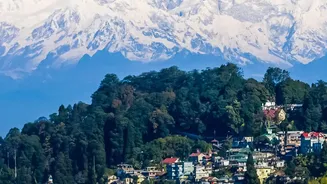
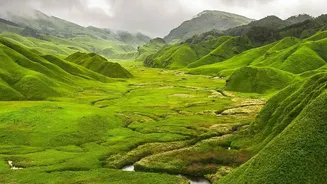
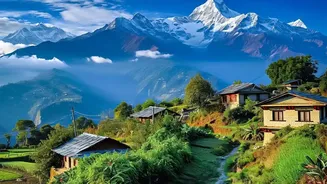
The mountains of the Northeast are not just for seeing, but for feeling. In Tawang, the experience is deeply spiritual, anchored by the magnificent Tawang Monastery, one of the largest in the world. The sound of monks chanting and the sight of prayer flags fluttering against a backdrop of snow-capped peaks create an atmosphere of profound peace. In Sikkim, the town of Pelling offers what many consider the most intimate and spectacular view of Mount Kanchenjunga, the world's third-highest peak. Waking up to see the sunrise paint the snow-covered massif in hues of gold and pink is an experience that transcends mere sightseeing. For the more adventurous, trekking through Nagaland's Dzukou Valley, a rolling expanse of green hills, offers a chance to connect with the land on foot, traversing bamboo forests and meandering streams.
A Sight or an Experience? The Verdict
So, are the landscapes of Northeast India a sight or an experience? The answer is that they are inseparable. The breathtaking sights—a sunset over the Brahmaputra in Majuli, the panoramic view from Sela Pass, the imposing presence of Kanchenjunga—are the gateways to a deeper experience. The region challenges you to do more than just look. It invites you to participate: to sit with monks, to learn about ancient crafts, to feel the chill of the mountain air, and to understand the deep cultural roots that are tied to the land. In Northeast India, the landscape is not just a picture to be taken but a story to be lived. The true beauty of the region is revealed when you allow the sight to become a transformative experience.