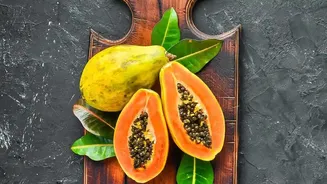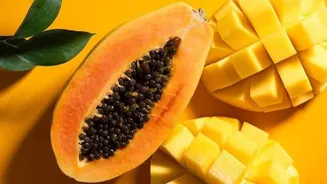







Mango and papaya are two of India's most beloved tropical fruits, each offering a burst of sweet, sunny flavour. But when it comes to nutrition, which one comes out on top? The answer isn't simple, as each fruit boasts its own unique set of benefits.
The Calorie and Sugar Breakdown
For those mindful of their calorie or sugar intake, papaya presents a clear advantage. A 100-gram serving of papaya contains approximately 43 calories and about 8 grams of sugar. In contrast, the same amount of mango has around 60 calories and 14 grams of sugar. This makes papaya a lighter option, which could be preferable for individuals managing their weight or blood sugar levels. However, it is worth noting that mango has a lower glycemic index (GI) of 51 compared to papaya's GI of 59, meaning it may cause a slower rise in blood sugar levels despite its higher sugar content.
The Vitamin C Champion
When it comes to boosting your immune system, papaya is a true powerhouse. A single cup of papaya can provide around 88 milligrams of vitamin C, which is more than the entire recommended daily amount for most adults. Mango is also an excellent source, with a one-cup serving offering about 60 milligrams, or roughly two-thirds of your daily requirement. Vitamin C is crucial for immune defence, skin health, and acting as a powerful antioxidant in the body. For anyone looking to maximize their vitamin C intake, papaya has a definitive edge.
A Battle for Vitamin A
In the contest for vitamin A, mango takes the lead. This is thanks to its high concentration of beta-carotene, a compound that the body converts into vitamin A. Vitamin A is vital for vision, skin integrity, and a robust immune system. A cup of mango provides a significant portion of your daily vitamin A needs, far surpassing papaya in this regard. While papaya also contains beta-carotene and another beneficial carotenoid called lycopene, mango's higher content makes it the superior choice for supporting eye health.
Fiber, Digestion, and Unique Enzymes
Both fruits are good sources of dietary fiber, with nearly identical amounts per serving. Fiber is essential for maintaining a healthy digestive system, promoting regular bowel movements, and can help regulate blood sugar and cholesterol levels. However, each fruit possesses a unique compound that sets it apart. Papaya contains papain, a well known digestive enzyme that helps break down proteins. This makes papaya particularly beneficial for aiding digestion, especially after a protein heavy meal. Mango, on the other hand, contains mangiferin, a potent antioxidant with anti inflammatory properties that may also support a healthy gut microbiome.
The Power of Papain
Papaya's secret weapon, the enzyme papain, is celebrated for more than just aiding digestion. It's a proteolytic enzyme, meaning it breaks down proteins, which is why it has been used as a natural meat tenderizer for centuries. This enzyme is also believed to have anti inflammatory properties, potentially helping to reduce pain and swelling associated with conditions like arthritis and post surgery recovery. Some research suggests it may also help with wound healing and reducing symptoms of bloating and constipation.