


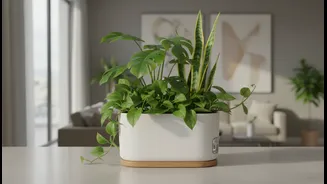
Why 'Too Much of a Good Thing' Applies to Sunlight
Sunlight is the engine of plant life, powering the photosynthesis that helps them grow. However, most popular indoor plants, especially those gifted during holidays, are tropical species that evolved under the canopy of larger trees. In their natural
habitat, they receive light that is filtered and diffused. When we bring them home from a nursery—where light conditions are often perfectly controlled—and place them in harsh, direct sun, it can be a shock to their system. Excessive direct sunlight can be more than the plant can handle, leading to stress, dehydration, and damage. The key is to replicate their preferred environment, which for many is not a sun-drenched windowsill.
Signs Your Plant Is Getting Sunburnt
Plants are excellent communicators, and they will show visible signs of distress when they are receiving too much light. One of the most common signs is scorched or burnt-looking patches on the leaves, which may appear brown, dry, and crispy. You might also notice the leaves turning pale yellow or looking bleached, as the intense light can degrade their chlorophyll. Another tell-tale sign is wilting or drooping, even when you've been watering the plant properly. This happens because the leaves lose moisture faster than the roots can absorb it. Finally, if a plant’s leaves start to curl downwards or inwards, it’s a defensive posture to reduce the surface area exposed to the intense light.
Direct vs. Bright, Indirect Light
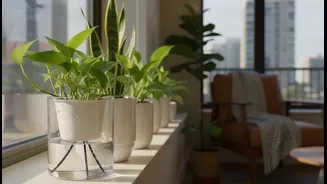
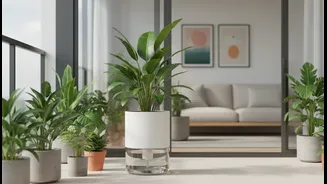
Understanding the difference between light types is crucial for any plant parent. Direct sunlight refers to unfiltered sun rays hitting the plant, common in south or west-facing windows. This intensity is great for cacti and succulents, but too harsh for most leafy houseplants. Bright, indirect light is what most holiday plants crave. This is the light found a few feet away from a sunny window, or light filtered through a sheer curtain. It provides the brightness needed for photosynthesis without the damaging intensity of direct rays. An east-facing window, which gets gentler morning sun, is often a great spot for these plants.
Popular Holiday Plants in India and Their Needs
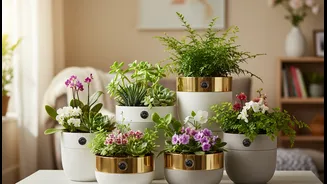
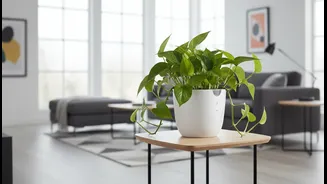
During festive seasons like Diwali, Christmas, and New Year, certain plants are popular gifts. Poinsettias, with their iconic red bracts, are a Christmas favourite and thrive in bright, indirect light, away from cold drafts. Money Plants and Lucky Bamboo are gifted year-round for prosperity and are very adaptable, but they do best in low to bright indirect light, as direct sun can scorch their leaves. Orchids, another elegant gift, prefer bright, indirect light as well. Flowering plants like Anthuriums and potted roses need a bit more care; Anthuriums prefer bright, indirect light while potted roses often need a few hours of direct sun to bloom well.
The Gentle Art of Acclimation
A plant moved from a greenhouse to a home experiences a significant drop in light intensity. To prevent shock, which can cause yellowing leaves and wilting, you need to acclimate it slowly. Don't move your new plant directly to its final, darker spot. Instead, place it in a location with bright, indirect light for one to two weeks. This staging period allows the plant to gradually adjust its leaves and internal processes to the lower light levels of a typical home. During this time, also be careful not to overwater, as the plant's needs will be changing. Check the soil before adding more water; it's a common mistake to overcompensate with watering when a plant is stressed.