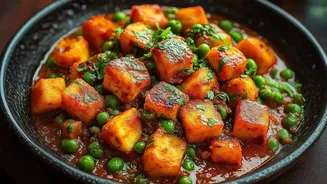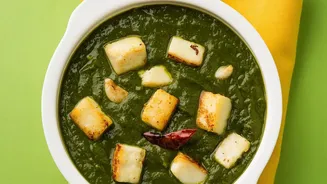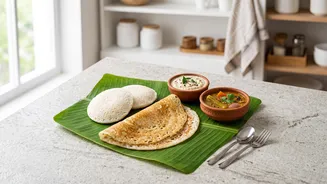







It’s a familiar and delightful experience: the rajma, chhole, or fish curry you cooked last night somehow tastes richer and more complex the next day. This isn't just your imagination; there's real food science at work in your fridge overnight.
Flavours Get Time to Mingle
When you
first cook a curry, you are combining dozens of ingredients: onions, garlic, tomatoes, and a complex blend of spices. While the heat of cooking starts the process, it doesn't finish it. As the dish cools and rests, a process called 'flavour equilibration' begins. Aromatic compounds from spices like cloves, cinnamon, and cardamom are often fat-soluble. This means they continue to dissolve into the ghee or oil in the dish long after the heat is off, spreading their flavour more evenly throughout the gravy. Instead of tasting sharp, individual notes of ginger or turmeric, you experience a more harmonious, rounded, and cohesive flavour.
Proteins Relax and Absorb
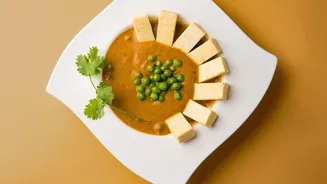
The magic also happens within the main components of your dish. Meats, paneer, and legumes like chickpeas and kidney beans continue to transform as they rest. During cooking, the collagen in meat breaks down. As the dish cools, this forms a gel that traps flavour molecules. When you reheat it, this gel melts, creating a smoother, silkier mouthfeel and releasing all that captured flavour. Furthermore, as the proteins in meat or the structure of paneer and vegetables cool, they relax and act like a sponge, drawing the flavourful gravy deep into their centre. This ensures every bite is seasoned through and through, not just coated on the outside.
The Texture Transformation
Texture plays a huge role in our perception of taste. Overnight, many Indian dishes undergo subtle changes that improve their texture. In dishes with lentils, potatoes, or a base of onions and tomatoes, starches continue to be released into the sauce as it cools. This naturally thickens the gravy, giving it a richer, more velvety consistency that clings beautifully to rice or roti. Meat cooked on the bone also releases gelatin, which has a similar thickening effect. This enhanced texture means more flavour is delivered in every single mouthful.
Rice and Starch Retrogradation
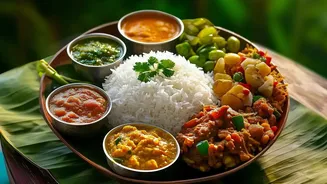
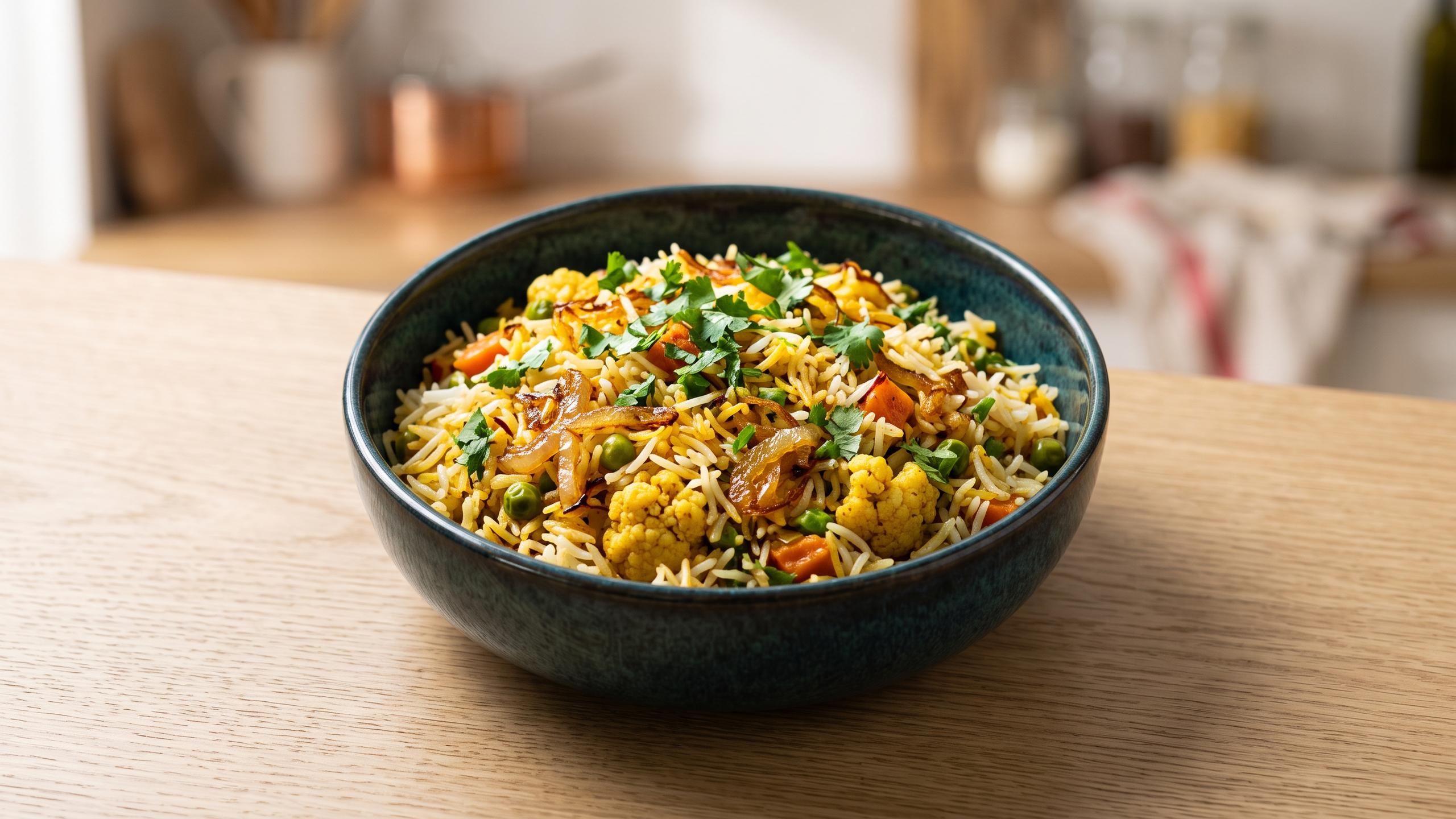
This next-day improvement isn't limited to wet curries. Leftover biryani or pulao also benefits from a scientific process known as starch retrogradation. When rice cools down after cooking, its starch molecules reorganise themselves and recrystallize. This process makes each grain a bit firmer and more distinct, preventing it from becoming mushy when reheated. The result is a better texture, where the individual grains remain separate while having had more time to absorb the aromatic compounds from the spices, meat, and vegetables they were cooked with.
Which Dishes Benefit the Most?
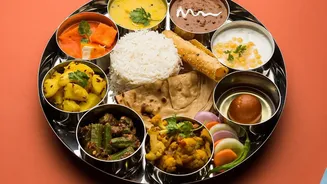
While this phenomenon is widespread, it’s most noticeable in slow-cooked, complex, and layered dishes. Rich, gravy-based preparations like Rajma Masala, Chhole, and meat kormas are prime candidates for overnight improvement due to their combination of legumes, spices, and fats. Similarly, sour and spicy fish curries, where the acidity of tamarind or kokum continues to tenderise the fish and meld with the spices, are famously better the next day. Even a simple dal tadka thickens and deepens in flavour, as the lentils continue to break down and absorb the tempered spices.