




The Indoor Air Problem
Every year, a predictable combination of factors conspires to choke North India. Smoke from post-harvest stubble burning in neighbouring states, combined with vehicular emissions, construction dust, and industrial pollution, drifts into the region. Meteorological
conditions unique to winter, like low wind speeds and temperature inversion, then trap this toxic mix close to the ground, creating a thick, persistent smog. While we focus on the alarming outdoor Air Quality Index (AQI), we often forget that our homes are not sealed fortresses. Pollutants like fine particulate matter (PM2.5) seep indoors, joining domestic pollutants from cooking, cleaning agents, and furniture finishes. With windows shut tight on the most polluted days, indoor air can become stale and concentrated with these harmful substances, making a breathable sanctuary hard to find.
Can Plants Really Purify the Air?
The idea that houseplants can clean indoor air gained widespread popularity from a 1989 NASA study. This research showed that certain common plants were effective at removing volatile organic compounds (VOCs) like formaldehyde and benzene from small, sealed chambers. These are chemicals often released by paints, furniture, and cleaning products. However, it's crucial to understand the context. A home is not a sealed lab chamber; it has natural ventilation and much larger air volumes. More recent analyses have concluded that you would need an impractically large number of plants—some estimate between 10 to 1000 per square meter—to match the air-cleaning rate of a building's ventilation system or a HEPA filter. Specifically for the fine particulate matter (PM2.5) that defines Delhi's smog, plants have a very limited effect. An air purifier remains the most effective tool against severe particulate pollution.
The Best Green Defenders for Your Home
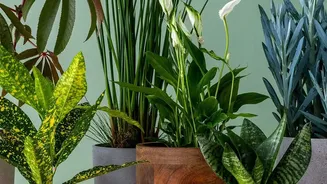
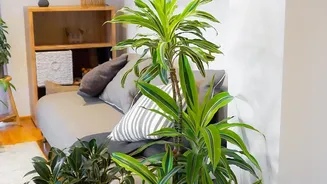
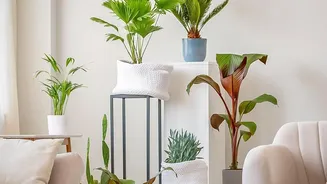
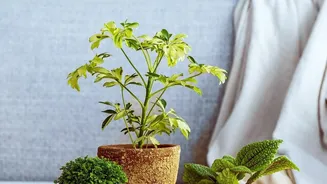
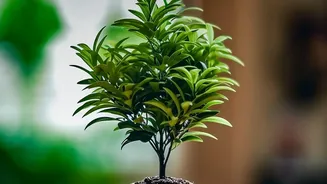
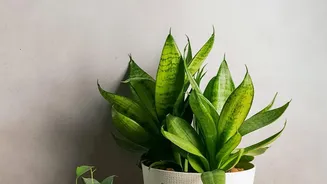
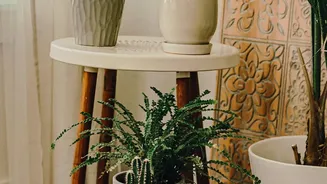
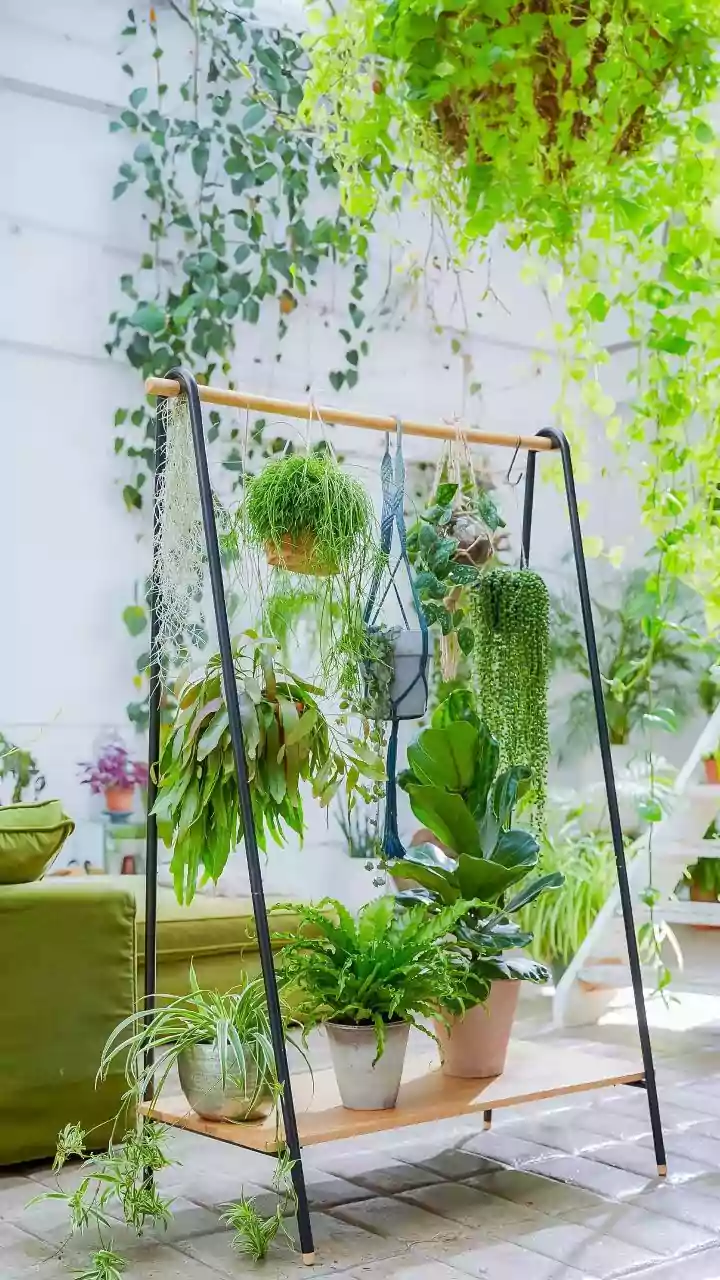
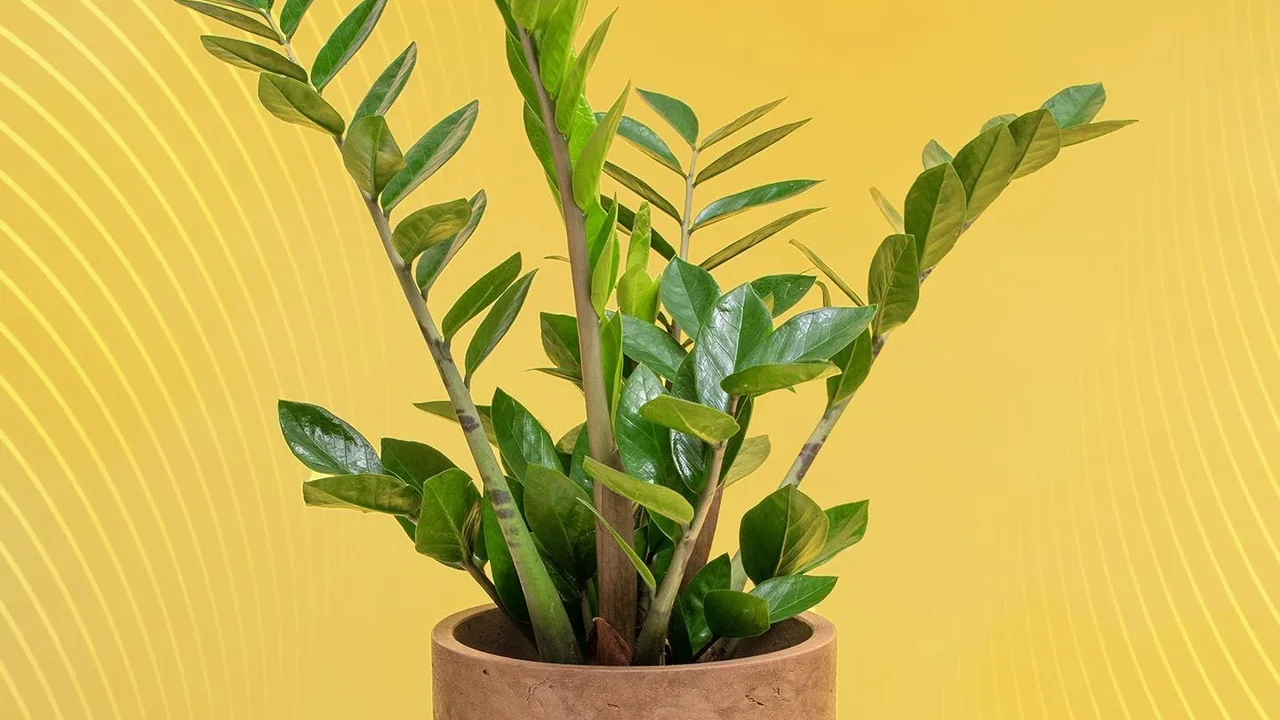
Despite their limitations with PM2.5, many plants are excellent at filtering certain gaseous pollutants and adding a touch of nature indoors. For Delhi-NCR residents, the best choices are hardy, low-maintenance species that tolerate indoor conditions well.Snake Plant (Sansevieria trifasciata): Often called 'impossible to kill', this plant is a champion for bedrooms. It's unique in that it converts carbon dioxide to oxygen even at night. It's also effective at filtering chemicals like formaldehyde and benzene.Areca Palm (Dypsis lutescens): This leafy palm is a natural humidifier, which can be a relief in dry winter air. It’s also rated highly for removing common indoor chemical toxins and brings a soft, tropical feel to a living room.Money Plant (Epipremnum aureum or Pothos): Already a fixture in many Indian homes, the money plant is incredibly resilient and effective against pollutants like formaldehyde. It thrives in low light and requires minimal care, making it perfect for beginners.Peace Lily (Spathiphyllum): One of the few indoor plants that flowers in low light, the Peace Lily is not just beautiful but also a workhorse. It is known to absorb ammonia, benzene, and formaldehyde.Spider Plant (Chlorophytum comosum): This fast-growing and pet-safe plant is great at removing formaldehyde and xylene. Its propagating 'spiderettes' make it easy to grow more green air-cleaners for your home.
More Than Just Cleaner Air
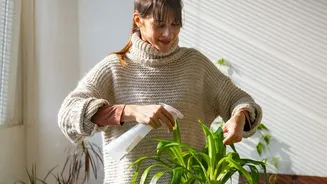
The turn towards houseplants is about more than just a chemical exchange. The psychological benefits of nurturing indoor greenery are significant, especially during the grim winter months when outdoor activities are limited. Studies have shown that interacting with indoor plants can reduce psychological and physiological stress. The simple act of caring for a plant—watering, pruning, and watching it grow—can restore a sense of control and accomplishment. This connection to nature, known as biophilia, has been shown to improve mood and concentration. In a city grappling with a suffocating environment, creating a small, green, living sanctuary indoors provides a much-needed mental and emotional escape.
A Realistic and Balanced Strategy
For urban homeowners in Delhi-NCR, houseplants should be seen as one component of a broader strategy for healthier indoor living during winter. They are not a substitute for a good quality HEPA air purifier, especially on days when the AQI is in the 'Very Poor' or 'Severe' category. A sensible approach involves using an air purifier in key rooms like the bedroom, keeping windows closed during pollution spikes, and ventilating the house when the air outside is cleaner. Plants contribute by adding humidity, offering psychological comfort, and helping to filter some gaseous pollutants. To maximise their benefits, wipe their leaves regularly to remove settled dust, which can block light and hinder their natural processes. For a standard room, experts often suggest at least two good-sized plants for every 100 square feet to start making a difference.