


The Allure of the Monsoon Climb
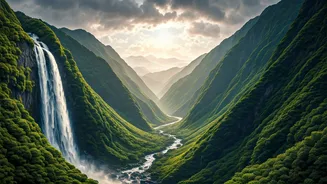
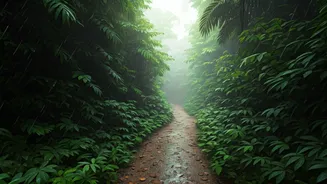
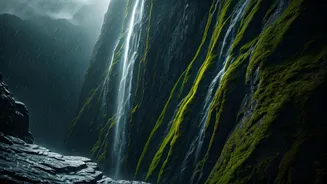
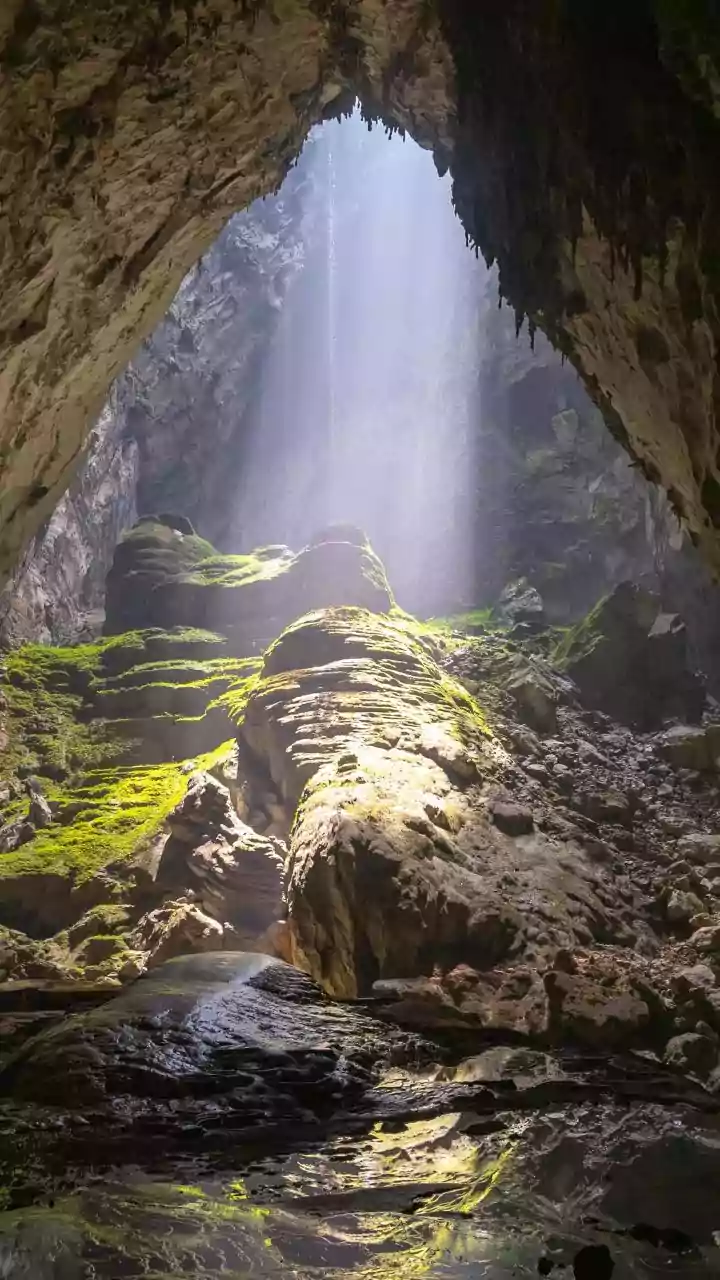
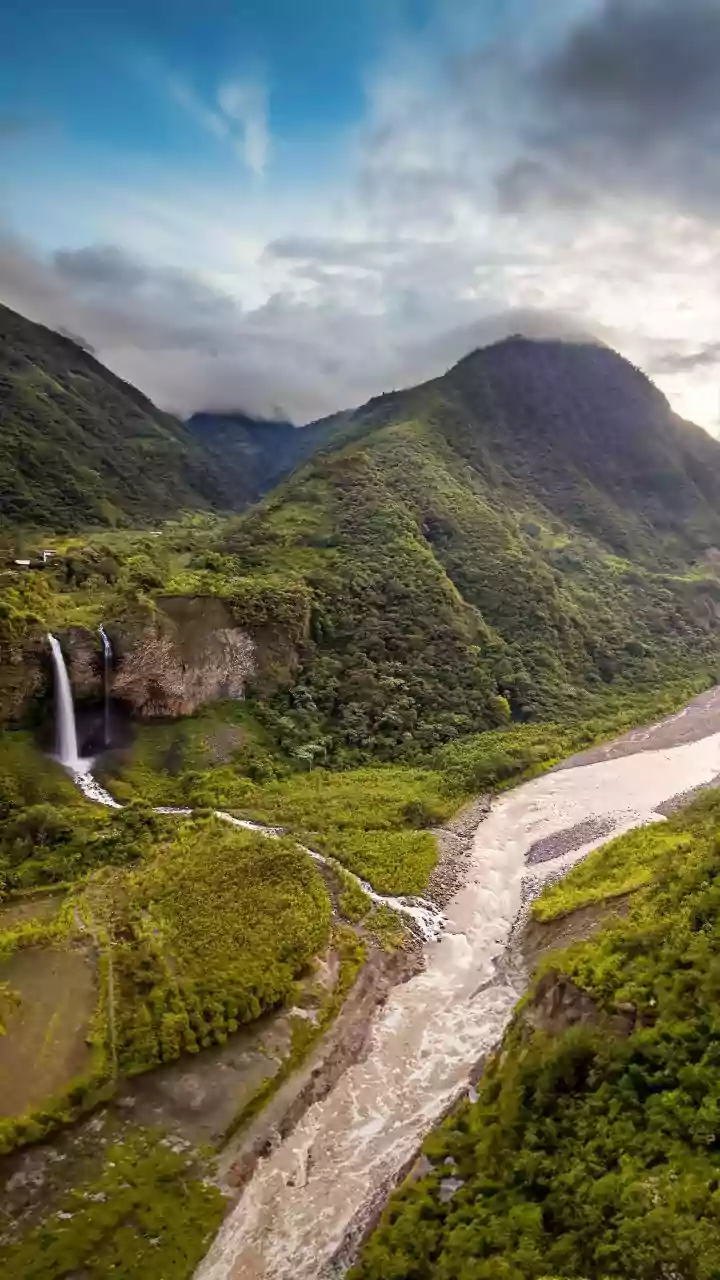
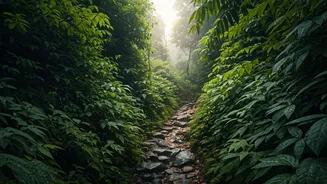
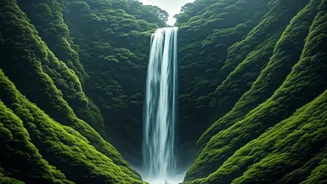
It’s easy to see the appeal. After the scorching summer, the monsoon transforms India’s hills and mountains, especially the Sahyadris in Maharashtra and the Western Ghats. Barren brown landscapes explode into a hundred shades of green. Waterfalls, dormant
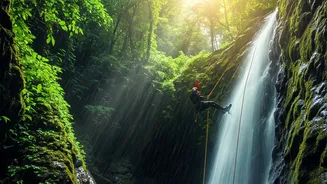
for months, cascade down rock cliffs with dramatic force. For city dwellers, the call of the wild is intoxicating. These viral videos capture a powerful fantasy: conquering nature, feeling the spray of a waterfall, and earning bragging rights with an epic summit photo. Activities like waterfall rappelling, where you descend a cliff alongside a waterfall, and climbing historic hill forts have become weekend goals for thousands. The shared thrill and the stunning visuals make for perfect social media content, creating a feedback loop where each viral Reel inspires more people to try it for themselves.
The Reality Behind the Reels
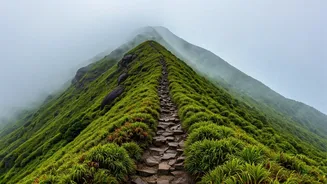
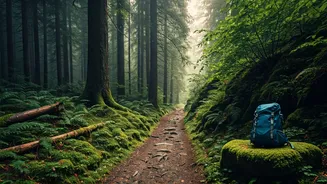
The problem is that a 30-second Reel doesn't show the treacherous reality of monsoon trekking. That beautiful, moss-covered rock is incredibly slippery. The gentle stream you crossed on the way up can become a raging, impassable torrent after a sudden downpour. What looks like a sturdy trail can be loose soil and scree, ready to give way under your feet. Every year, the monsoon season is marked by news reports of stranded trekkers, serious injuries, and tragic fatalities. The dangers are numerous: hypothermia from being soaked in cold rain, poor visibility due to dense fog, getting lost because trails are not well-marked, and the constant risk of slips and falls. Many viral clips are filmed in high-risk zones that authorities have specifically warned against visiting. The adventure portrayed online often omits the hours of struggle, the close calls, and the life-threatening conditions that are part of the unfiltered experience.
Experts Warn: Don't DIY Your Adventure
Seasoned mountaineers and certified trek leaders are unanimous in their advice: do not attempt these adventures without professional guidance and proper gear. There is a world of difference between a professionally organised trek and an impromptu trip with friends. Reputable adventure companies assess the weather, know the terrain intimately, have contingency plans, and carry essential safety equipment like certified ropes, harnesses, and first-aid kits. Their guides are trained in rescue techniques and can make critical decisions on the ground. Most amateur groups lack this expertise. A cheap rope from a hardware store is not a climbing rope. Running shoes or sneakers offer almost no grip on wet rock. And a sense of adventure is no substitute for technical skill and knowledge of the environment. The experts’ message is clear: the mountains don't care how many followers you have; they demand respect and preparation.
Your Monsoon Adventure Safety Checklist
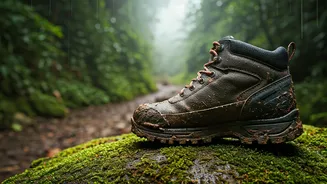
Want to enjoy the monsoon safely? Don’t let a quest for a viral video turn into a call for a rescue team. Before you even think about lacing up your boots, internalise this checklist. **Go with a Pro:** For any technical climb or waterfall rappel, book with a certified and well-reviewed adventure group. Check their credentials and safety record. **Gear Up Correctly:** Invest in proper trekking shoes with deep lugs for grip. Forget canvas shoes or sneakers. Wear quick-drying synthetic clothing, not cotton, and carry a waterproof jacket and a change of clothes in a waterproof bag. **Check the Weather and Local Advisories:** Always check the weather forecast and look for any warnings issued by local police or district authorities. If they say a place is closed, it's for a good reason. **Inform Someone:** Never go without informing friends or family of your exact itinerary and your expected return time. Share your guide’s contact number with them. **Know Your Limits:** Be honest about your fitness level. A “moderate” monsoon trek can be as demanding as a “difficult” dry-season one. It's okay to turn back if you feel unsafe or exhausted.