

From Trash to Treasure
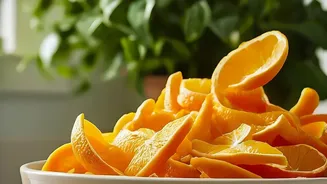
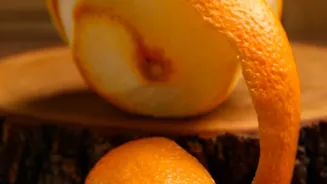
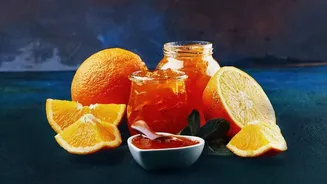
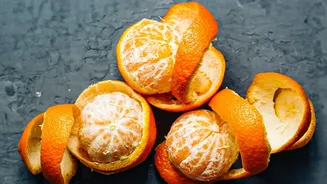
Embracing a zero-waste kitchen is about seeing potential where others see garbage. Orange peels are a perfect example. Often discarded, they are packed with beneficial compounds. Studies and nutritional experts note that the peels contain significant
amounts of vitamin C, sometimes even more than the fruit itself. They are also rich in dietary fibre, and beneficial plant compounds like polyphenols and flavonoids such as hesperidin, which have antioxidant properties. By turning them into jam, you not only reduce food waste but also capture these nutrients. While any jam contains sugar, this approach uses a part of the fruit that is incredibly nutrient-dense, making it a more mindful and resourceful indulgence.
Taming the Bitterness: The Essential First Step
The main challenge in cooking with citrus peels is their natural bitterness, which comes from the white pith (albedo) and the peel itself. Overlooking this step will result in a jam that is more pungent than pleasant. The key is to blanch the peels. This process involves boiling them in water to draw out the bitter compounds. Start by slicing your peels into thin strips. Place them in a pot, cover with cold water, bring to a boil, and let them cook for about 10 minutes. Then, drain the water and repeat the process at least two or three more times with fresh water. After the final boil, the peels will be significantly milder, tender, and ready for the next stage.
The Simple Ingredients You’ll Need
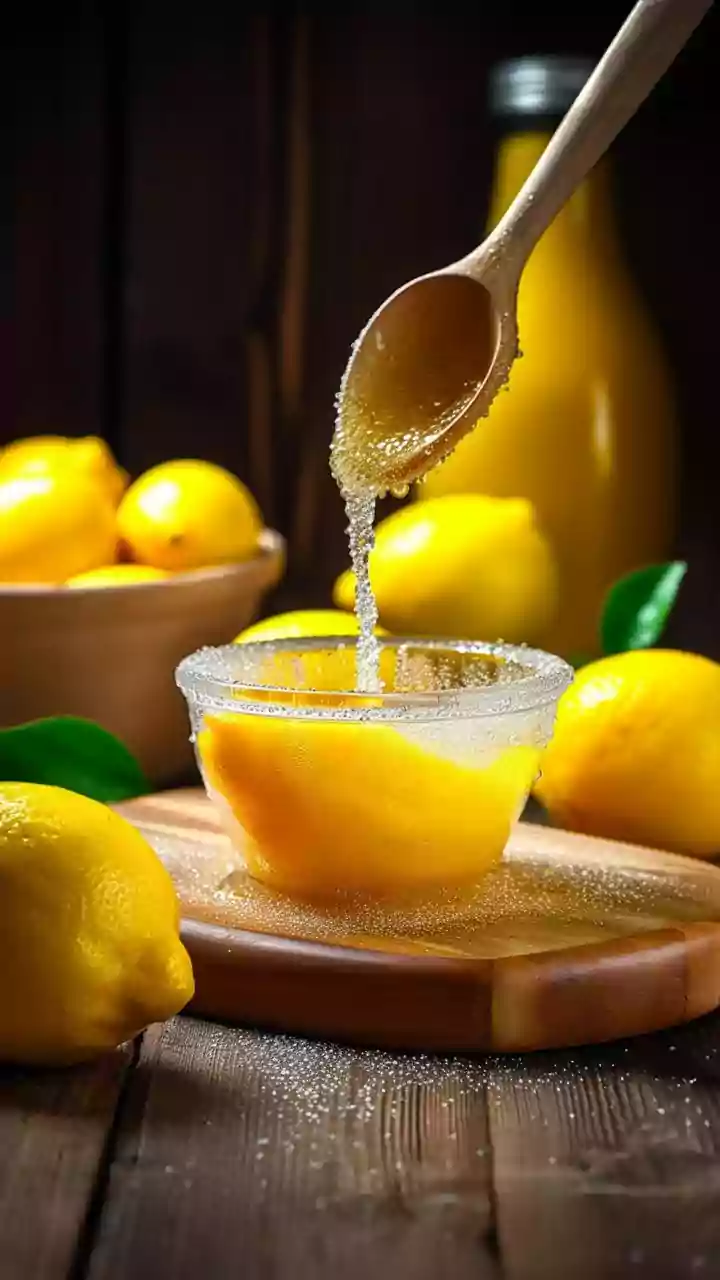
The beauty of this recipe lies in its simplicity. You don’t need a long list of specialty items, just a few kitchen staples. For a basic batch of orange peel jam, you will require the prepared peels from about four to six large oranges. You will also need granulated sugar and water, which will form the syrup that preserves and sweetens the peels. A good starting ratio is to use equal parts by weight of prepared peels, sugar, and water. Finally, the juice of one lemon is crucial. Lemon juice not only brightens the flavour but also adds natural pectin and acidity, which helps the jam set properly and prevents the sugar from crystallizing.
Step-by-Step Guide to Your Homemade Jam
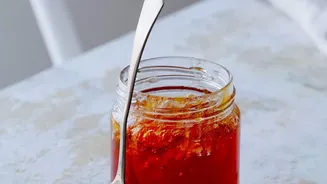
Once your peels are blanched and tender, the jam-making process is straightforward. Combine the prepared peels, sugar, water, and lemon juice in a large, heavy-bottomed pot. Bring the mixture to a boil over high heat, stirring to dissolve the sugar. Once boiling, reduce the heat to a steady simmer. Let it cook, stirring occasionally to prevent sticking, for approximately 45 to 60 minutes. The jam is ready when the peels look translucent and the syrup has thickened. A classic way to test for doneness is the plate test: place a small spoonful of the jam on a cold plate and chill it for a few minutes. If it wrinkles when you push it with your finger, it’s ready.
Get Creative with Flavour
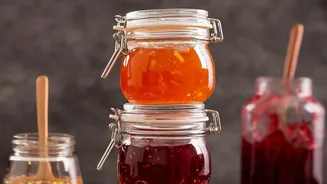
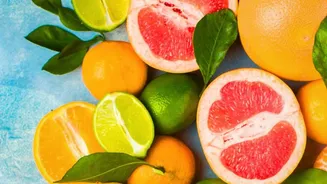
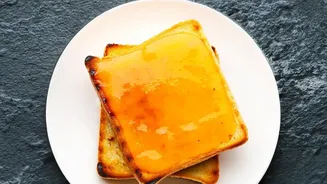
While the classic orange peel jam is delicious on its own, it also serves as a wonderful canvas for other flavours. Consider adding a cinnamon stick, a few whole cloves, or a star anise to the pot while the jam simmers for a warm, spiced version. A split vanilla bean can impart a creamy, fragrant note. For a different twist, you can incorporate the peels of other citrus fruits like lemons or grapefruits, adjusting the sugar as needed. Once your jam is finished, it’s not just for toast. Use it as a glaze for chicken or pork, a topping for cheesecake or yogurt, or a flavourful addition to oatmeal and baked goods.