


The Silent Power of Texture
Flavor often gets all the credit, but texture is what truly makes a meal memorable. It's the silent partner that shapes our entire eating experience. Think about it: the satisfying crunch of a fresh salad, the comforting creaminess of a risotto, or the tender
chew of perfectly cooked meat. These sensations are processed by our brains as indicators of quality and freshness. A dish with only one texture, no matter how flavorful, can quickly become boring, a phenomenon known as palate fatigue. By introducing a variety of textures, you keep the senses engaged, making each bite as interesting as the first. This contrast is what separates a good dish from a truly unforgettable one.
Building Your Textural Toolkit
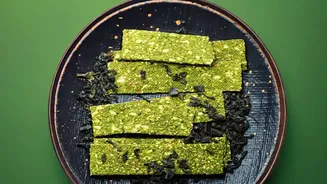
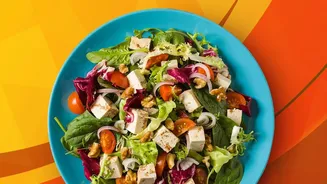
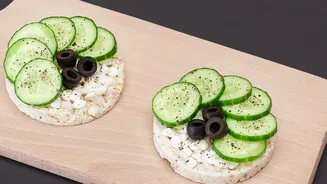
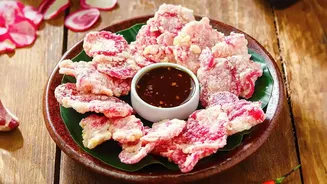
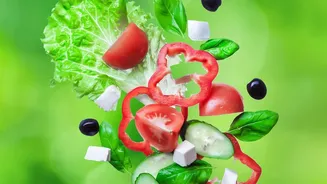
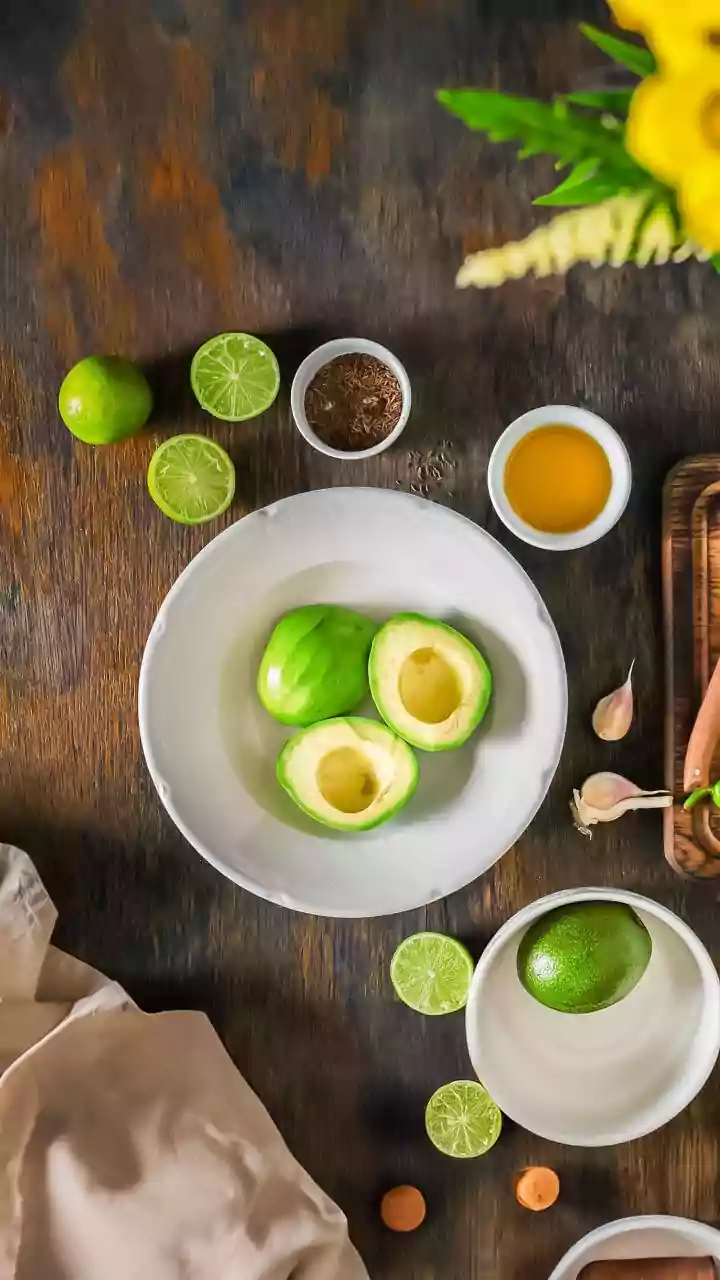
To start cooking with texture in mind, think of your ingredients as a toolkit. The goal is to combine items from different textural groups to create balance and excitement on the plate. Here are the essential categories to have in your arsenal: Crispy & Crunchy: These elements provide a satisfying snap and sound. Think toasted nuts and seeds, breadcrumbs, crispy fried onions, fresh radish slices, or whole grains like toasted buckwheat. Creamy & Smooth: This group adds richness, comfort, and balance. Examples include yogurt, sour cream, avocado, creamy sauces, pureed vegetables, and soft cheeses like burrata or feta. Chewy & Tender: These textures provide substance and a satisfying bite. Consider slow-cooked meats, al dente pasta, hearty whole grains like farro, or sun-dried tomatoes. Juicy & Fresh: These ingredients bring a burst of freshness and moisture. Think fresh herbs, ripe tomatoes, citrus segments, and crisp fruits like apples or pears.
Putting It All Together in One Dish
The magic happens when you start layering these textures. Let's take a simple bowl of tomato soup. By itself, it's creamy and comforting but can feel one-note. Now, let’s add texture. A swirl of yogurt adds another layer of creaminess. A sprinkle of crunchy, garlic-infused croutons provides a much-needed textural contrast. Finally, a scattering of fresh basil leaves introduces a soft, fresh element. Without changing the core dish, you’ve transformed a simple soup into a multi-layered, engaging experience. The same principle applies everywhere. A soft taco becomes more interesting with crunchy slaw. A creamy pasta dish is elevated by a topping of toasted, herby breadcrumbs. It’s about finding simple additions that create a more dynamic bite.
Designing a Cohesive, Textured Menu
This philosophy extends beyond a single plate to an entire menu. Instead of overwhelming guests with dozens of different dishes, you can create a sense of variety within a smaller, more manageable selection. When planning a meal, think about the textural flow. If your main course is a soft, slow-braised stew, consider starting with a crisp, refreshing salad. If you’re serving a creamy polenta, pair it with a grilled protein that has a nice char and a side of snappy green beans. By ensuring that different courses offer different textural experiences, the entire meal feels more complete and thoughtfully composed. This approach not only enhances guest satisfaction but also simplifies your inventory and kitchen operations, allowing you to execute fewer dishes perfectly.