


The Out-of-Sight, Out-of-Mind Problem
The modern refrigerator is a marvel, but its deep shelves can become a graveyard for good food. We forget about leftovers, lose track of half-used vegetables, and overlook items nearing their expiration date. This isn't a moral failing; it's a design
problem. When food is not visible, it's easy to forget it exists. An 'eat me first' bin, as it's often called, is a simple but powerful behavioral hack. By creating a designated, highly visible space for items that need immediate attention, you bring them from the back of the fridge to the front of your mind. This simple act of organization interrupts the cycle of buying, forgetting, and wasting.
Prioritise Your Most Delicate Produce
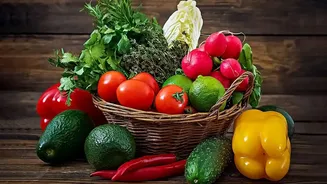
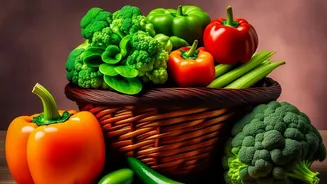
The headline is right: delicate vegetables are the number one candidate for this system. Leafy greens, fresh herbs like basil and cilantro, and tender berries have the shortest shelf life and are most susceptible to wilting and spoilage. Storing them properly is the first step—greens, for instance, last longer when washed, dried thoroughly, and stored in a container with a paper towel to manage moisture. But even with perfect storage, their clock is ticking. Placing these items directly into your use-first box upon returning from the store serves as a constant, visual reminder to incorporate them into your meals before they turn. This strategy ensures your most fragile and often expensive purchases are enjoyed, not discarded.
Give Open Packages a Home
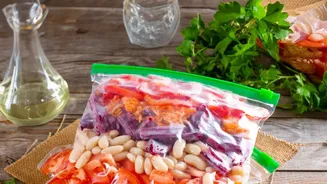
A half-used bag of rocket, a tin of coconut milk with a few tablespoons missing, or a portion of chopped onions from last night’s dinner—these are the unsung heroes of food waste. Once a package is opened, it’s vulnerable. Without a dedicated spot, these items get pushed aside and lost. The use-first box provides a perfect, consolidated home for them. It prevents you from opening a new carton of broth when you already have one open and ensures that leftover ingredients get folded into the next meal. This habit not only saves money but also declutters your fridge, making it easier to see what you truly have and what you need.
How to Create Your Use-First System
Setting up your box is incredibly simple. First, choose a container. It can be any clear bin, a repurposed cardboard box, or even just a designated shelf in your fridge. The key is that it's visible and accessible. Place it at eye-level, right at the front of a main shelf. Labeling it 'Eat Me First' can be helpful, especially in a household with multiple people. As you unpack your groceries, immediately assess what needs to be used quickly. This includes delicate greens, produce that's already quite ripe, and anything approaching its use-by date. Leftovers from meals should also go directly into this zone. The final step is to build the habit: before you cook or reach for a snack, always check the use-first box first.
What Belongs in the Box?
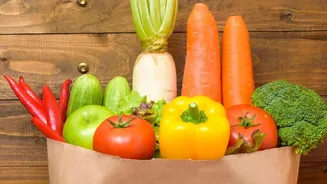
While delicate vegetables are a priority, your use-first box can house a variety of items to prevent waste. Think of it as a waiting room for food that needs your attention. Good candidates include: leftovers from dinner, which should typically be eaten within three to four days; opened dairy products like yogurt or sour cream; deli meats; produce that is starting to look a little soft or bruised, like a wrinkly pepper or a soft tomato; and any prepped ingredients, like sliced mushrooms or half a lemon. By consolidating these items, you create a palette of ingredients that can inspire creative meals, like a 'clean out the fridge' stir-fry, soup, or pizza.