





From Recipe to Reality: A New Approach
The core idea is simple: stop treating your shopping list and your meal plan as separate tasks. Instead of deciding on a specific dish like 'bhindi masala' and then buying okra, think of the 'masala' as your base. This base—typically a sauté of onions,
ginger, garlic, tomatoes, and spices—can welcome almost any vegetable. Your beloved recipes for stir-fries and curries become a flexible checklist. The question changes from 'What do I need for this recipe?' to 'What's fresh at the market today, and how can I use it in my go-to curry?' This approach not only simplifies cooking but also connects your kitchen directly to the seasons, ensuring you’re always using ingredients at their peak flavour and lowest cost.
The Winter Palette: Roots and Greens
Winter in India brings a bounty of hearty vegetables perfect for warming, robust dishes. Markets overflow with vibrant root vegetables like carrots, beetroot, and turnips, alongside lush leafy greens such as spinach (palak), fenugreek (methi), and mustard greens (sarson). This is the season to let your favourite thick curry recipes shine. A creamy coconut-based gravy that you might use for chicken can be transformed into a stunning root vegetable korma. That simple dal you make every week? Elevate it by wilting in a generous handful of fresh spinach to make dal palak. A quick stir-fry, or sabzi, can feature blanched cauliflower and potatoes, seasoned with the usual spices. Think of these winter vegetables—carrots, peas, cauliflower, and greens—as the backbone of comforting meals that fight off the chill.
Summer Simplicity: Gourds and Lightness
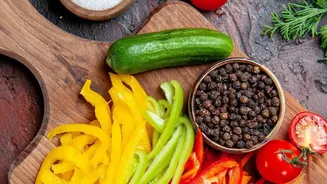
As the weather warms up, our bodies crave lighter, more hydrating foods. The seasonal produce shifts accordingly, with a focus on heat-tolerant vegetables, particularly gourds. Bottle gourd (lauki), ridge gourd (turai), bitter gourd (karela), and cucumber become staples. These vegetables, with their high water content, are ideal for lighter curries and quick stir-fries that don't feel heavy in the heat. A simple yellow dal can be made more wholesome by adding chunks of lauki. Okra (bhindi) flourishes in the summer heat and is perfect for a quick, dry stir-fry. Your go-to stir-fry template, perhaps a South Indian poriyal with mustard seeds and coconut, works beautifully with almost any summer gourd. The goal is to cook quickly, eat fresh, and stay cool.
Monsoon Magic: Earthy and Comforting
The arrival of the monsoon transforms the landscape and the vegetable markets. This season is characterised by produce that thrives in humidity, like various gourds, beans, and corn. Pointed gourd (parwal) and teasel gourd (kantola) make special appearances, offering unique textures for your cooking experiments. This is the perfect time to adapt your favourite recipes to include sweet corn, perhaps in a spicy masala curry instead of paneer. Tubers like yam and sweet potato also thrive, lending an earthy sweetness to stir-fries and stews. Your standard stir-fry technique of tempering spices in oil and then sautéing vegetables is a universal method that works perfectly for monsoon produce like cluster beans (guar) or ridge gourd.
Your All-Season Toolkit
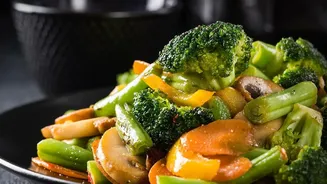
The beauty of this system is that the foundation of most Indian curries and stir-fries remains constant. Onions, ginger, garlic, tomatoes, and a core set of spices like cumin, coriander, and turmeric are available year-round. They form the reliable base upon which you can build your seasonal masterpiece. When you approach cooking this way, you start to see patterns. A dry stir-fry is essentially a method: temper spices, sauté aromatics, cook vegetables until tender (hardest ones first, like carrots, then softer ones last), and garnish. A curry is a similar process, just with the addition of a tomato, onion, or coconut-based gravy. By mastering these base methods, you empower yourself to cook creatively with whatever the season provides.