






Beyond the Grand Gesture
When we think of flowers in an Indian context, our minds often leap to weddings and festivals: dense curtains of marigolds, elaborate mandaps, and rangolis bursting with petals. These are beautiful, celebratory expressions of abundance and auspiciousness.
However, limiting floral decor to these grand moments means we miss out on its quieter, more consistent power. The philosophy of comfort-led placement is about integrating flowers into your daily life in a way that soothes, rather than overwhelms. It’s the difference between decorating for an event and cultivating an environment. This approach is rooted in the idea of biophilic design, which connects our well-being to our access to nature, even indoors. It suggests that small, thoughtful touches of nature can reduce stress and create a sense of calm.
The Psychology of Petals and Scent
Flowers are not just visual elements; they engage our senses and influence our mood. Their presence can genuinely make us happier and more relaxed. In an Indian home, this effect is amplified by the cultural and symbolic resonance of each bloom. The vibrant orange and yellow of marigolds (genda) are associated with the sun, symbolizing positivity and prosperity. Having a simple string of them in a place you see daily can be a small but potent dose of optimism. Similarly, the gentle fragrance of jasmine (mogra), a flower tied to purity and serenity, can transform a space. Placing a few strands in a bowl of water on a side table allows its calming scent to diffuse naturally, creating a tranquil atmosphere without the intensity of artificial fragrances. Roses, which symbolize love and devotion, can soften a room's feel, while the elegant tuberose (rajnigandha) is associated with peace.
Living Spaces That Breathe
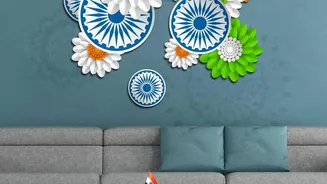
In the main living areas, comfort means ensuring decor doesn't get in the way of life. Large, obstructive arrangements can create visual and physical clutter. Instead, focus on small, intentional placements. A single, elegant flower stem in a slender vase on a bookshelf, or a small brass urli filled with water and floating a few blossoms on a coffee table, can add life without demanding attention. This approach allows for easy movement and conversation. The goal is to create pockets of beauty that you discover, rather than a single, dominant centerpiece. This also makes maintenance easier; a few flowers are simpler to care for than a large bouquet. If using floral motifs in textiles, balance is key. Pair a bold floral cushion with neutral-toned sofas or use a floral-patterned rug as a grounding element, not a competing one.
A Sanctuary for Rest
The bedroom is a space for restoration, and the floral decor should reflect that. Here, scent plays a particularly important role. While a strong fragrance can be disruptive, a subtle, calming aroma can aid relaxation. A small vase of tuberose or a few jasmine flowers on a bedside table can perfume the air gently. If fresh flowers feel like too much upkeep, consider high-quality floral patterns in your linens. Soft, pastel floral block prints on cotton bedsheets or curtains can create a serene, garden-like feel without being visually loud. Avoid overly bright or large-scale floral prints that can feel energizing rather than restful. The key is subtlety, creating a calm backdrop that promotes peace and quiet contemplation.
The Welcoming Threshold
The entrance to a home sets the tone for everything within. While traditional torans of marigold and mango leaves are wonderful for festive occasions, a more sustainable daily practice might be needed. A simple brass or terracotta pot with a welcoming plant near the door can offer a touch of green. Alternatively, a small urli with floating flowers is a classic element that signifies hospitality. This gesture doesn't need to be elaborate. Its power lies in its consistency—a small, daily act of making your home a welcoming space for yourself and for others. It signals a home that is cared for and loved, a place of peace from the moment one steps inside.
Embracing Impermanence and Lasting Patterns
Part of the comfort of using fresh flowers is embracing their fleeting nature. The daily or weekly ritual of changing the water and replacing blooms can be a meditative practice, connecting you to the rhythms of nature. For a more lasting touch, Indian decor offers a rich vocabulary of floral motifs in other forms. Incorporating traditional patterns from folk art, rangoli-inspired designs in tiles, or hand-block printed textiles brings the spirit of flowers into your home permanently. These elements connect a space to a long heritage of craftsmanship while still serving the modern need for a comforting and beautiful environment. By pairing these timeless patterns with fresh, living blooms, you create a home that feels layered, personal, and deeply comforting.