





Beyond Your Birthday: Biological vs. Chronological Age
We all know our chronological age—the number of years we have been alive. However, within our bodies, a different clock is ticking. This is our biological age, which reflects how well our cells, tissues, and organs are functioning compared to the average.
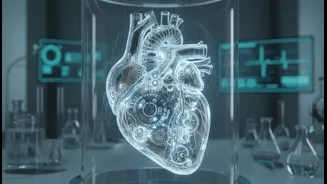
Two people who are both 50 might have vastly different biological ages; one could have the internal health of a 40-year-old, while the other shows the wear and tear of a 60-year-old. The exciting and relatively new frontier in this field is that scientists are now able to go even deeper. They have found that individual organs can age at different rates within the same person. A person might have a biologically 'young' heart but an 'old' liver, a discovery that is set to revolutionise personalised medicine.
How Scientists Read Your Organs' Clocks
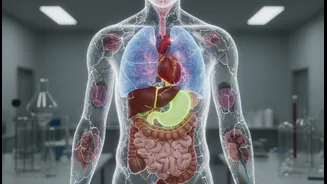
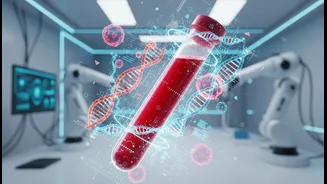
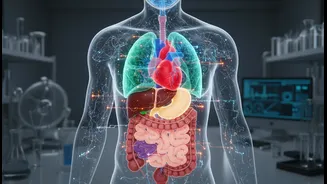
Researchers can determine the age of your individual organs with a simple blood test. Our organs shed specific proteins into the bloodstream, and the concentration of these proteins changes as we age. By analysing the levels of thousands of these organ-specific proteins, scientists use advanced computer models to estimate the biological age of up to 11 different organ systems, including the brain, heart, lungs, and kidneys. This creates an 'organ age gap'—the difference between an organ's biological age and a person's actual chronological age. Studies show that around one in five healthy adults over 50 has at least one organ ageing significantly faster than the rest of their body.
The Health Risks of an 'Older' Organ
Knowing your organ age isn't just a novelty; it's a powerful predictor of future health. Research has established a strong link between accelerated organ ageing and the risk of developing specific diseases years later. For instance, a person with a biologically older heart has a 250% increased risk of heart failure. An 'older' brain is a powerful predictor for Alzheimer's disease, while accelerated lung ageing is linked to a higher risk of conditions like COPD and respiratory infections. Surprisingly, an 'older' immune system, not just an older brain, was also found to be a major risk factor for dementia. These insights allow for a shift from reactive 'sick care' to proactive healthcare, intervening before a disease fully manifests.
Why One Organ Might Age Faster
The ageing process is a complex interplay of genetics, environment, and lifestyle. It’s a dynamic and modifiable process. Research shows that certain behaviours have a significant impact on specific organs. Smoking, for example, most substantially accelerates the ageing of the lungs, followed by the kidneys and intestine. Heavy alcohol consumption has a major effect on the liver's biological age. The ageing of one organ can also affect others. An accelerated kidney age, for instance, is linked to an increased risk of cardiovascular, metabolic, and neurological diseases, highlighting how interconnected our internal systems are.
Can You Influence Your Organ Age?
The good news is that biological organ age appears to be dynamic and can be influenced. While you can't change your chronological age, lifestyle choices can impact how quickly your organs age. Studies have identified several factors that can slow down the clock. These include regular vigorous exercise, getting quality sleep, maintaining a healthy diet low in processed meats, and limiting alcohol consumption. Specifically, aerobic exercise and good sleep have been linked to a slower biological ageing of the brain. Conversely, factors like smoking and insomnia are associated with accelerated ageing across multiple organs. While these tests aren't yet part of a routine check-up, the research reinforces the power of healthy habits in promoting longevity at a cellular level.