



Embrace the 'Shoulder Season' Mindset
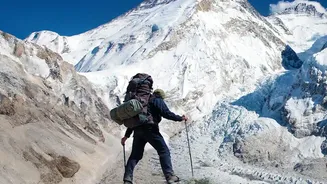
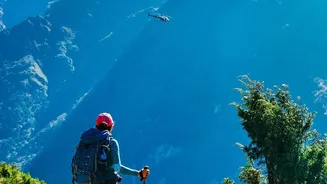
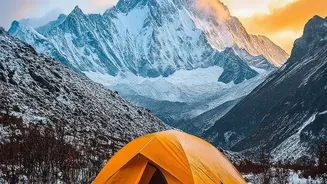
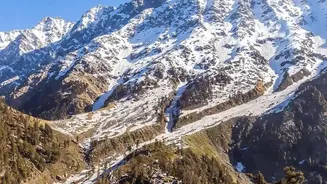
November sits between the post-monsoon peak and the harshness of deep winter. This means you get the benefit of fewer crowds and stunningly clear views, but also the risk of sudden changes. Days can be sunny and surprisingly mild, perfect for hiking,
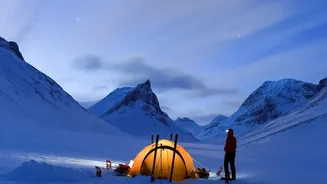
while nights, especially at altitude, can see temperatures drop below freezing. The primary challenge isn't constant bad weather, but its unpredictability. A sunny morning can give way to an afternoon snow squall at higher elevations. Acknowledging this volatility is the first step in smart planning; your itinerary must be a guide, not a rigid schedule.
Build In Critical Buffer Days
The single most effective tool for managing Himalayan weather is the buffer day. Experienced travel planners and guides build extra, unassigned days into their itineraries. These aren't just for rest; they are your safety net. If a high pass is temporarily closed by an unexpected snowfall, a buffer day allows you to wait for it to clear without derailing your entire trip. If a flight from a remote mountain airstrip is delayed due to fog, that extra day prevents the stress of a missed international connection. For a 10- to 12-day trek, incorporating two buffer days is a wise investment in both safety and peace of mind. These days allow you to adapt to delays without rushing, which is when accidents can happen.
Prioritise Acclimatisation
Proper acclimatisation is non-negotiable for high-altitude treks, and it naturally builds flexibility into your schedule. Rushing to gain altitude is the biggest mistake a trekker can make and can lead to serious health issues. By scheduling extra nights at key elevations (for example, in Namche Bazaar on the Everest trek or Manang on the Annapurna circuit), you allow your body to adjust safely. These planned stops also double as potential buffer days. If you are feeling strong and weather is perfect, you can use the day for a local exploration hike. If symptoms of altitude sickness appear or the weather turns, it becomes a crucial rest day.
Research Alternative Routes and Side Trips
A truly flexible plan includes a Plan B and even a Plan C. Before you leave, study the map of the region you're visiting. Identify shorter, lower-altitude treks or alternative destinations that you can pivot to if your primary objective becomes inaccessible. For example, if your goal is a high pass that closes, what valleys can you explore instead? Having these alternatives researched in advance turns a potential disappointment into a new adventure. Discuss these possibilities with your guide or trekking company. They will have invaluable local knowledge about which routes are viable when the weather shifts.
Pack for Four Seasons in One Day
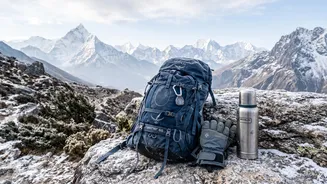
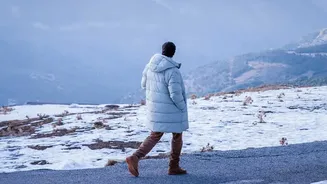
Your packing list is a critical component of your flexible strategy. The key is layering. Instead of one heavy winter jacket, pack multiple layers: a moisture-wicking base layer, a fleece mid-layer, and a waterproof and windproof outer shell. This allows you to adapt to changing temperatures throughout the day. Always carry essentials in your daypack, even on short walks: a warm hat, gloves, sunglasses, sunscreen, and a headlamp. Dry, stable trails can become slick with a sudden shower, so waterproof hiking boots with good ankle support are essential. Having the right gear means you are prepared to wait out a storm or continue comfortably if conditions change.
Maintain Flexible Bookings and Communication
Where possible, opt for accommodations with flexible cancellation policies, especially for the days immediately following your trek. This reduces financial pressure if you are delayed in the mountains. More importantly, maintain open communication with your guide, porters, and lodge owners. They are your real-time source of information on trail conditions and weather forecasts. A good guide will make decisions based on safety and group well-being, not a rigid schedule. Trust their expertise. Before you depart, ensure you have the necessary permits and paperwork processed, as this can also cause delays if left to the last minute.