






The Gourd Family: Nature's Monsoon Champions
July is the prime season for a variety of gourds, which are staples in Indian cuisine for good reason. Vegetables like bottle gourd (lauki), ridge gourd (turai), and bitter gourd (karela) are at their absolute best during the monsoon. These vegetables
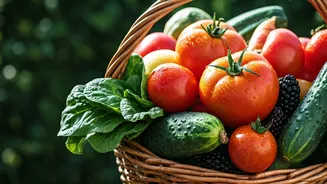
thrive in the humidity, making them abundant, fresh, and inexpensive. Lauki, with its high water content, is incredibly light on the stomach and easy to digest, a significant benefit when the digestive system can be sluggish during this season. Karela is prized for its immunity-boosting and detoxifying properties, which are especially helpful in fending off common monsoon ailments. When shopping, look for gourds that are firm, have smooth skin, and feel heavy for their size. They are versatile enough for simple stir-fries, curries, and lentil dishes.
Jamun: The Quintessential Monsoon Fruit
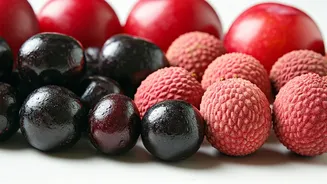
No monsoon experience is complete without the iconic Jamun, also known as Indian blackberry or Java plum. This deep purple fruit, with its unique sweet and astringent taste, is eagerly awaited all year and its season peaks from June to September. Jamuns are not just a nostalgic treat; they are packed with Vitamin C and iron, which help in boosting immunity. They are also highly valued for their potential to help manage blood sugar levels. When buying Jamun, select plump, soft, and richly coloured fruits. Avoid those that look shrivelled or have blemishes. Enjoy them fresh with a sprinkle of black salt, or use them to make vibrant juices and desserts. Their shelf life is short, so it's best to consume them within a day or two of purchase.
Bhutta (Corn): A Rainy Day Delight
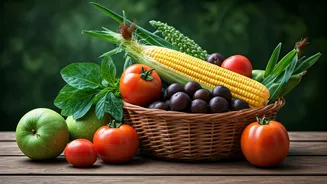
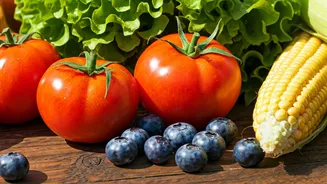
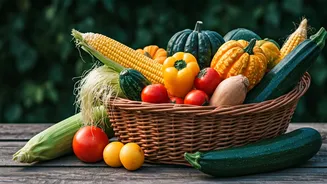
The smell of roasted corn is synonymous with rainy days in India. Sweet corn becomes widely available and affordable in July, making it a popular snack across the country. It's not just delicious but also a good source of fibre, vitamins, and minerals that provide a sustained release of energy. When picking out corn, look for cobs with bright green, tightly wrapped husks and moist, pale silks. The kernels should be plump and in tight rows. You can check the freshness by piercing a kernel with your fingernail; a milky white liquid should squirt out. Whether you roast it over an open flame and season it with salt and lemon or boil the kernels for salads and chaats, bhutta is a monsoon must-have.
Peaches and Plums: Stone Fruits from the Hills
While many associate peaches (aadu) and plums (aloo bukhara) with peak summer, their season often extends into the early monsoon, especially for varieties grown in the cooler northern regions of India. These juicy stone fruits provide a welcome burst of sweetness and are rich in antioxidants and vitamins. Peaches are known to be good for skin health, while plums are excellent for digestion. When selecting peaches, look for a fragrant aroma and skin that yields to gentle pressure. For plums, choose those that are deeply coloured and plump. They are perfect for eating fresh, adding to yogurt, or baking into simple tarts and crumbles.
Leafy Greens: Fresh and Hardy Choices
While it's wise to be cautious with leafy greens during the monsoon due to the risk of contamination, some hardy varieties are excellent this time of year if cleaned properly. Spinach (palak) and fenugreek leaves (methi) are beneficial for boosting the immune system. A lesser-known monsoon specialty, particularly in Maharashtra, is Phodshi Bhaji, or forest onion. It looks like a long green stalk and has a unique flavour. These greens are rich in iron, fibre, and essential vitamins that help reduce inflammation and support detoxification, which is beneficial during the humid season. Always wash leafy greens thoroughly in clean water before cooking to ensure they are safe to eat.