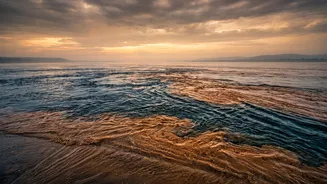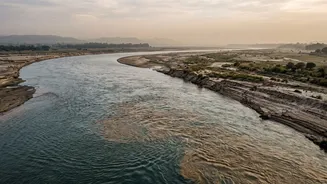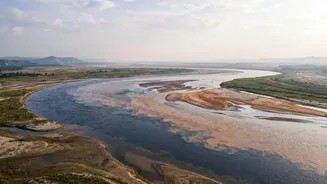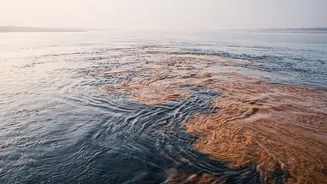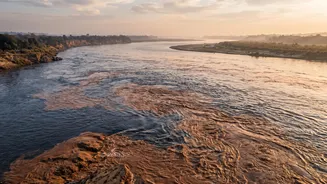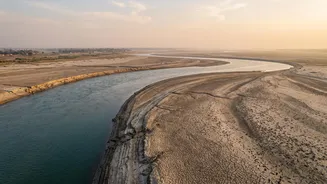

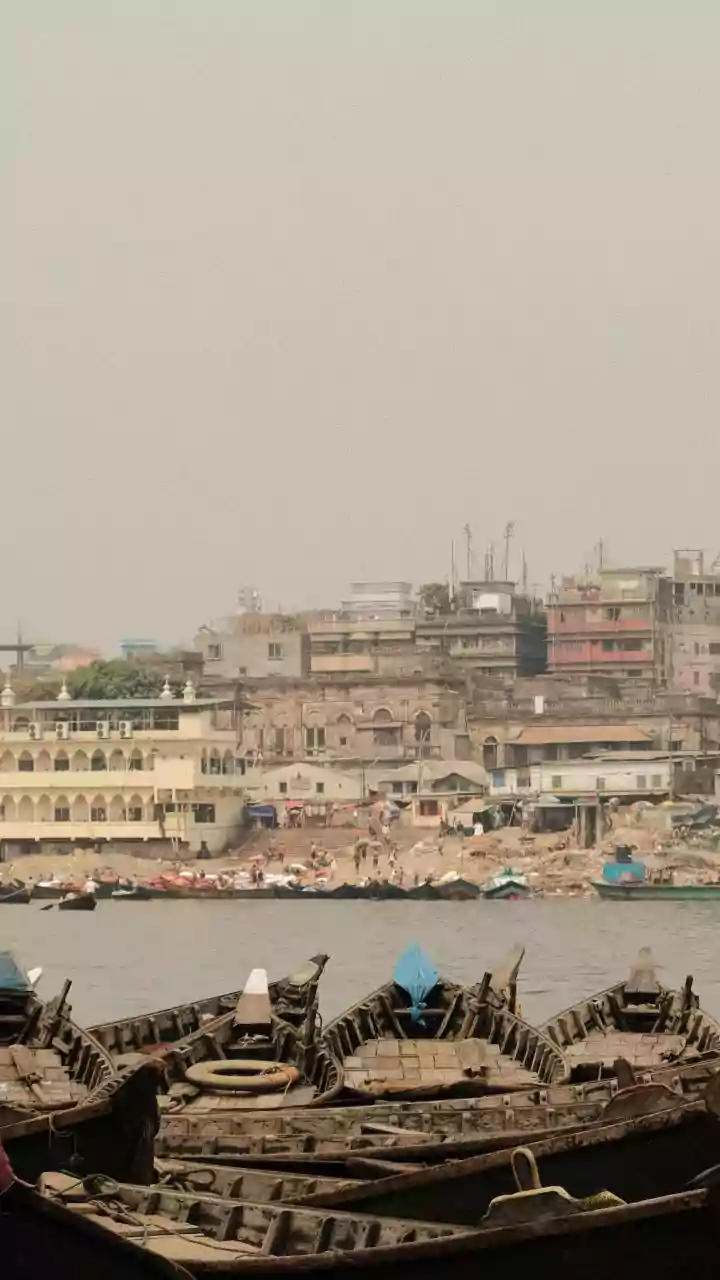




A cornerstone of India-Bangladesh relations for three decades, the Ganges Water Sharing Treaty, is set to expire this December. As the deadline looms, both nations face a complex diplomatic test amid new environmental and political realities.
A Landmark Agreement on a Lifeline River
Signed on
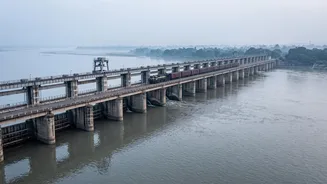
December 12, 1996, the treaty was a landmark achievement in South Asian water diplomacy. It brought an end to decades of dispute over the sharing of the Ganges' water during the critical dry season, from January to May. The conflict began after India commissioned the Farakka Barrage in 1975, located about 18 kilometres upstream from the border, to divert water to the Hooghly River and keep Kolkata's port free of silt. For Bangladesh, a lower-riparian country, this diversion drastically reduced water flow, impacting agriculture, fisheries, and navigation. The 1996 pact, signed for a 30-year period, established a formula for sharing the water available at Farakka, guaranteeing Bangladesh a predictable share and providing a framework for cooperation through a Joint Rivers Commission (JRC).
New Realities Challenge an Old Formula
Thirty years on, the context has changed dramatically. The original treaty was based on historical water flow data from 1949 to 1988, but it does not account for the significant impact of climate change. Himalayan glaciers that feed the Ganges are retreating, and monsoon patterns have become more erratic. This has led to a paradox: increased flood risk during the monsoon and reduced flows during the dry season, when the treaty's sharing formula is most critical. Studies show that droughts in the Ganges basin in recent decades have been worse than any in recorded history, straining the river system. Consequently, there is simply less water to go around, putting immense pressure on the assumptions that underpinned the 1996 agreement.
The Sticking Points in 2026
Renewing the treaty is not a simple matter of extension. Bangladesh is pushing for a new or revised deal that includes a 'guarantee clause', similar to a 1977 agreement, to ensure a minimum water share even when river flows are critically low. The current government in Dhaka argues the 1996 pact, signed by the then-Awami League government, does not adequately protect its interests. On the Indian side, there are growing domestic pressures. States like West Bengal and Bihar have voiced their own increasing needs for fresh water for agriculture and industry. Recent reports suggest India is considering changes, possibly including a shorter treaty duration, and that an automatic renewal is unlikely. The political climate has also shifted, with diplomatic sources indicating that high-level engagement, likely a visit from Bangladesh's Prime Minister, is needed before a final agreement can be reached.
More Than Just One River
The Ganges negotiations do not exist in a vacuum. They are deeply intertwined with the broader canvas of India-Bangladesh water diplomacy, which covers 54 shared rivers. The longunresolved issue of the Teesta River water sharing agreement, which has been stalled since 2011, casts a shadow over the current talks. Experts and officials on both sides are now calling for a more holistic, basin wide approach to water management that moves beyond simple allocation formulas. This includes better real time data sharing, joint management of sedimentation, and cooperative strategies to build climate resilience for the millions who depend on the rivers on both sides of the border. While the JRC provides a framework for these discussions, its last ministerial level meeting before 2022 was held twelve years prior, highlighting the challenge of maintaining consistent high level dialogue.