





From Agreements to Action
The foundation of this deepening relationship is a series of landmark agreements. In 2023, India became the 27th nation to sign the Artemis Accords, a US-led framework for responsible and transparent space exploration. This was a significant step, aligning
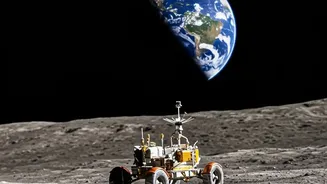
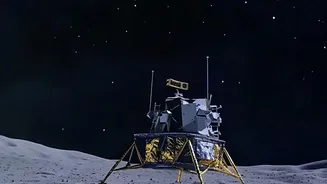
India with a broad coalition of nations focused on a cooperative future in space, particularly on and around the Moon. This commitment was further solidified through the Initiative on Critical and Emerging Technology (iCET), later rebranded as the TRUST initiative (Transforming the Relationship Utilizing Strategic Technology). This high-level dialogue aims to break down barriers and accelerate co-development in strategic sectors, with space being a primary pillar. These frameworks are now translating into tangible action, including an invitation from NASA in August 2026 for ISRO to join its ambitious Moon Base program, a project to establish a permanent human presence on the lunar surface.
A Shared Vision in the Stars
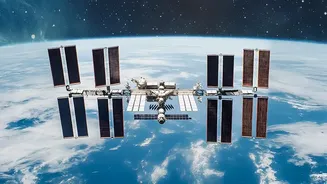
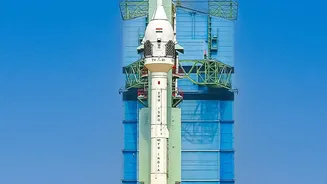
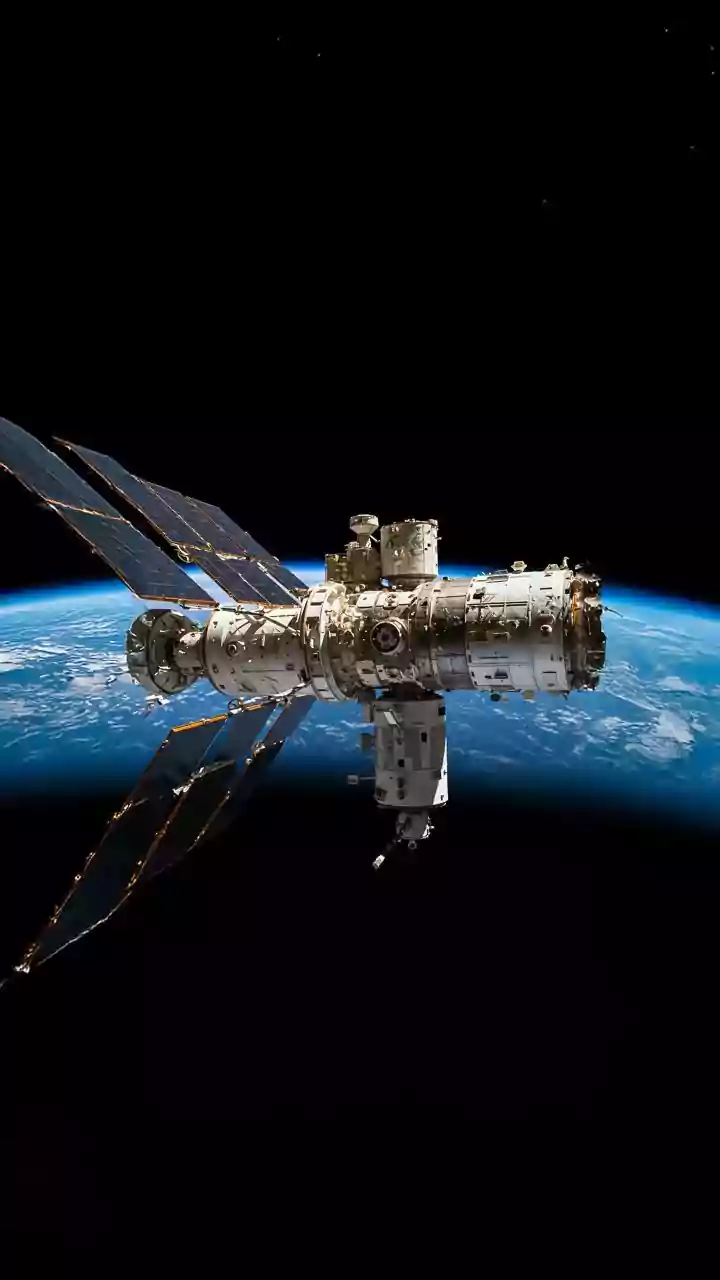
The partnership is already yielding significant results. A key example is the NASA-ISRO Synthetic Aperture Radar (NISAR) mission. This joint satellite, the first hardware collaboration of its kind between the two agencies, is designed to map the Earth's surface with unprecedented detail. Using two different radar frequencies, NISAR will monitor minute changes in land and ice, providing critical data for climate change research, disaster management, and agriculture. Beyond Earth observation, the cooperation extends to human spaceflight. Under the new agreements, ISRO astronauts are set to receive advanced training at NASA's Johnson Space Center, with a joint mission to the International Space Station planned. This collaboration not only accelerates India's human spaceflight ambitions but also fosters deep interoperability between the two space programs.
The Geopolitical Counterbalance
A major, often unspoken, driver of the India-US space alliance is the strategic competition with China. As space evolves into a contested domain, both New Delhi and Washington view China's rapidly expanding space capabilities with concern. China's own ambitious lunar program and its growing space-based military infrastructure have made it a necessity for like-minded democracies to collaborate. By partnering, India and the US create a powerful counterbalance. For India, it provides access to advanced technology and strengthens its position as a leading spacefaring nation capable of shaping the rules of the road in orbit. For the US, India is a credible and technologically competent partner in the strategically vital Indo-Pacific region. This alignment serves to ensure that the future of space is governed by principles of openness and transparency, rather than the unilateral ambitions of a single power.
Fueling Economic and Technological Growth
The strategic partnership also carries immense economic potential for India. The collaboration is designed to energize India's burgeoning private space sector. By integrating Indian startups and established companies into the global supply chain, the partnership creates commercial opportunities and drives innovation. The Indian Space Policy 2023 formalized the role of non-governmental entities, setting the stage for public-private partnerships modeled on the US system. Initiatives like the U.S.-India Defence Acceleration Ecosystem (INDUS-X) are creating platforms for joint ventures and technology sharing, particularly in critical areas like semiconductors for space systems. This access to technology and capital, combined with ISRO's legacy of frugal engineering, positions India to become a major player in the global space economy, which is projected to be worth over a trillion dollars in the coming decades.