



The Challenge of Infinite Targets
Imagine having access to the most powerful camera ever built, but you can only take a few pictures a day. The universe is teeming with fascinating objects: distant galaxies, mysterious black holes, and potentially habitable exoplanets. How do you decide
where to look? This is the fundamental challenge for astronomers using state-of-the-art observatories like the James Webb Space Telescope (JWST) and the upcoming Nancy Grace Roman Space Telescope. These instruments are incredibly powerful, but their time is a finite and fiercely competed-for resource. For every hour of observation time granted, multiple proposals from deserving science teams around the world are turned away. This scarcity means that choosing what to observe—and what to ignore—is one of the most critical decisions in modern astronomy. The goal is to maximize the scientific return on a massive public investment, and that requires meticulous planning.
A Dress Rehearsal for Discovery
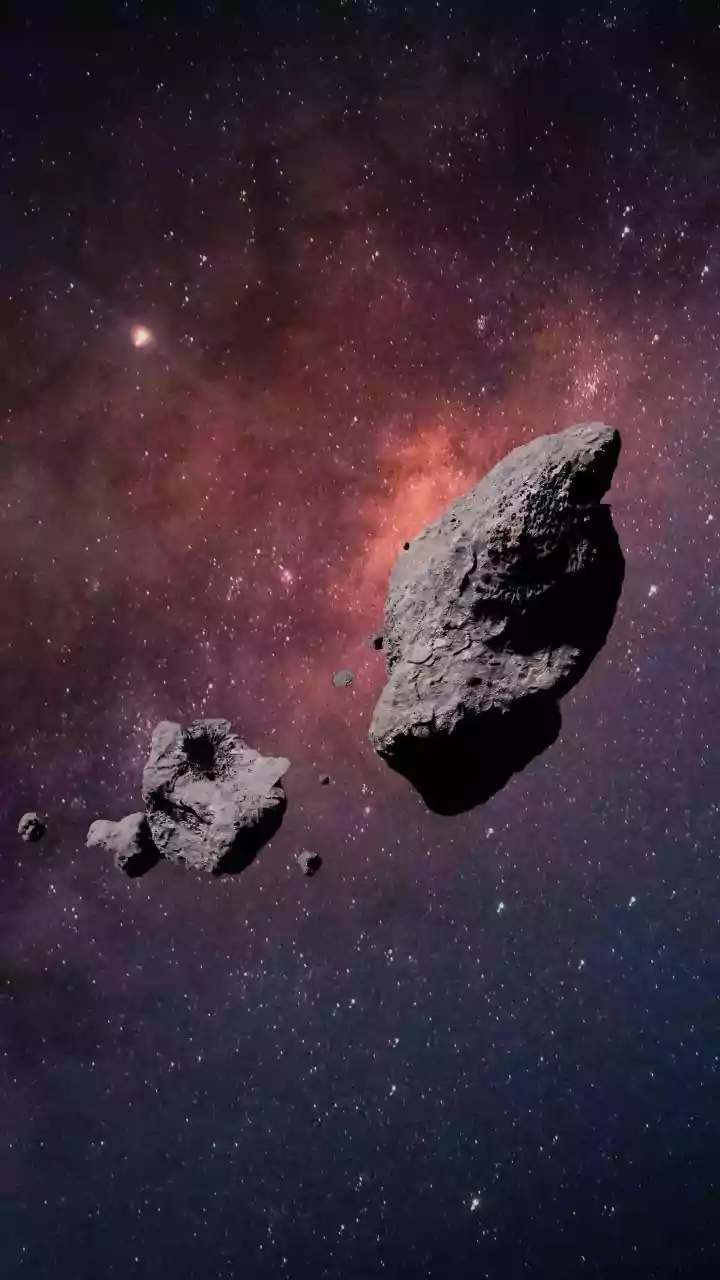
This is where rehearsals come in. In this context, a rehearsal isn't a stage play; it's a sophisticated simulation of the entire scientific process, from data collection to analysis. Before a telescope like the Roman or the Vera C. Rubin Observatory even begins its main mission, scientists create vast, synthetic universes based on our best understanding of physics. These simulations, often requiring supercomputers, generate mock data that mimics what the real telescope will see. Teams then use this simulated data to practice their observation strategies. They test their software, refine their data analysis pipelines, and learn to spot the faint signals of new discoveries. For example, teams working with the Vera C. Rubin Observatory have used these kinds of 'Data Previews' to prepare for the torrent of information the telescope will produce nightly, helping them get ready to identify everything from nearby asteroids to exploding stars. This process is like a flight simulator for astronomers, allowing them to anticipate challenges and perfect their techniques before the real mission begins.
Prioritizing the Cosmic Queue
These rehearsals do more than just provide practice; they actively help prioritize which observations deserve to be at the front of the line. By running simulations, scientists can preview what different parts of the sky might look like through the telescope's powerful eyes. A team at the University of California, Santa Cruz, for instance, created a simulated deep field image to show what the Roman Telescope could achieve, demonstrating its power to reveal millions of galaxies in a wide-angle view that would take Hubble hundreds of times longer to capture. These previews help the scientific community build a strong case for certain observation campaigns over others. It allows committees that allocate telescope time to make more informed decisions, weighing the potential scientific payoff of one proposed project against another. It transforms a difficult choice into a data-driven strategy, ensuring that the telescope's precious time is spent on targets with the highest probability of yielding groundbreaking science.
From Simulation to Reality
The value of this preparation is immense. For the JWST, the process of planning observations is rigorous, involving detailed proposals and scheduling that must account for the telescope's position and fuel constraints. Rehearsals and simulations help ensure that when a proposal is finally executed and the data is beamed back to Earth, the science team is ready. They have already worked through the process with similar, simulated data, so they know what to look for and how to process it efficiently. This preparation minimizes the risk of missing a faint signal or misinterpreting an unexpected result. It also helps manage the sheer volume of data produced by modern observatories. The Rubin Observatory, for example, will gather more data in its first year than all previous optical observatories combined. Without extensive rehearsals to prepare the science community, this data deluge would be overwhelming. These dry runs ensure that scientists can hit the ground running, turning raw data into cosmic insights.