



The Question of Purity
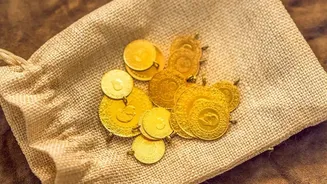
The most significant difference lies in the purity of the gold. Gold coins are typically available in 24 Karat (24K), which is the purest form, containing 99.9% gold. This makes them ideal for investment as you are paying for pure gold. On the other hand,
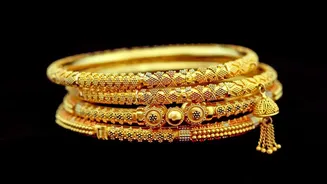
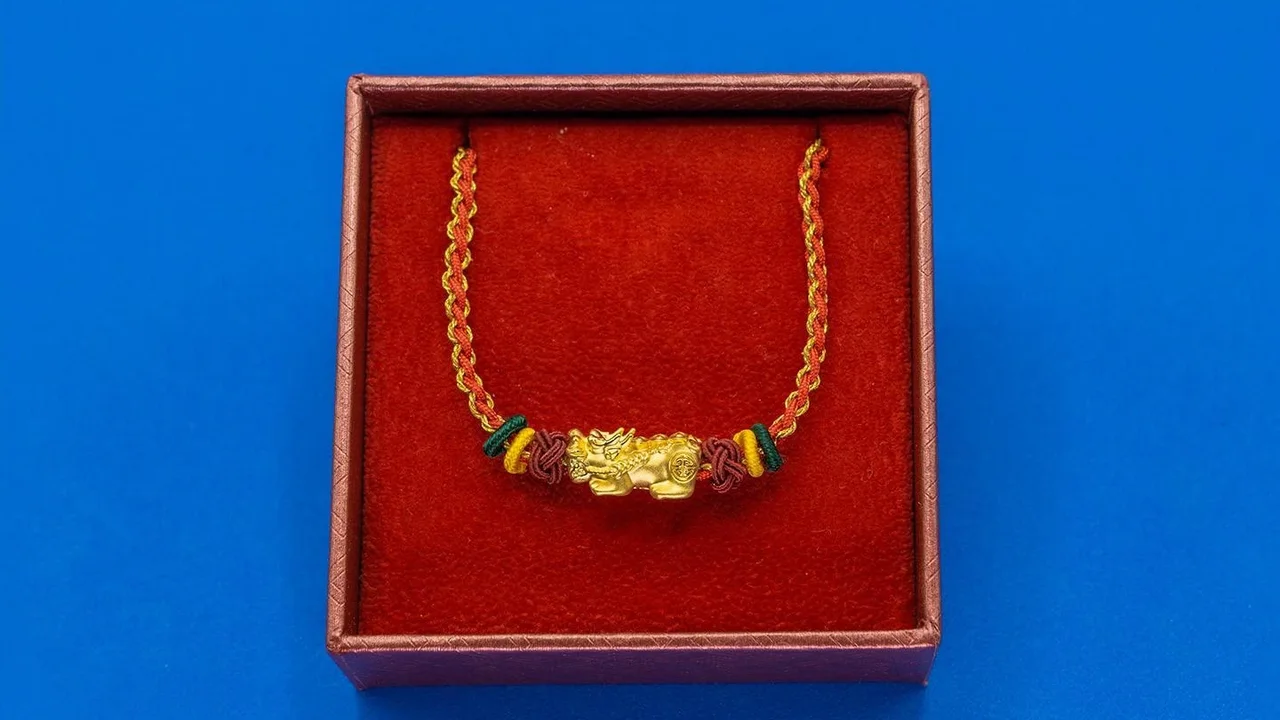
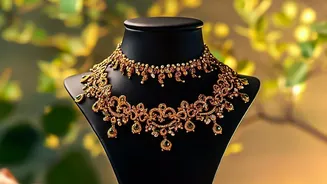
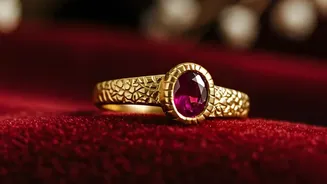
most gold jewellery is crafted from 22 Karat (22K) gold. This means it contains 91.6% gold, with the rest being an alloy of metals like copper, silver, or zinc to enhance durability and make it strong enough for intricate designs. While perfect for adornment, from a pure value perspective, you get less gold per gram with 22K jewellery compared to a 24K coin.
Decoding the Costs: Making Charges
This is where the practical difference becomes most apparent. Jewellery involves craftsmanship, and this comes at a cost known as 'making charges'. These charges can range from 8% to over 25% of the gold's value, depending on the complexity of the design. In contrast, gold coins, which are machine-minted, have significantly lower making charges, often between 1% and 4%. It is crucial to remember that making charges are not recoverable when you sell the gold. A jeweller will only pay for the weight of the gold, meaning the substantial amount you paid for craftsmanship is lost upon resale, directly impacting your investment's return.
Resale Value and Liquidity
From a purely financial standpoint, gold coins offer better returns. When you sell a 24K gold coin, you get a price very close to the market rate for pure gold, as there are no deductions for design or wastage. They are highly liquid and can be sold to most jewellers. Selling jewellery is more complex. The value is calculated after melting the piece to assess its exact purity, and the entire making charge is deducted. If the jewellery contains stones, their weight is also subtracted, further reducing the cash you get back. This means jewellery can lose 10-15% or more of its initial purchase value instantly at resale, purely due to these deductions.
Utility and Emotional Value
The biggest advantage of jewellery is, of course, its utility. It can be worn and enjoyed, becoming a part of wedding celebrations and family traditions. It holds immense emotional and sentimental value that a coin stored in a locker cannot replicate. Gifting jewellery is a deep-rooted cultural practice, symbolising blessings and affection. Coins, while a sound financial asset, lack this emotional connection and are primarily seen as a transactional investment. For many, the joy of wearing the gold is a significant part of its worth, justifying the extra cost of making charges.
A Practical Hybrid Strategy
For the modern buyer, the decision doesn't have to be an either-or choice. A balanced approach is often the most practical. Consider allocating a portion of your budget to essential, classic pieces of jewellery that will be worn and cherished for years. For the remainder of your gold budget, especially if the goal is long-term savings or to accumulate wealth for the future, purchasing 24K gold coins is the smarter financial move. This allows you to fulfill traditional and emotional needs with jewellery while maximizing your investment returns with coins. You can always redeem the coins later to be crafted into jewellery of your choice when a specific need arises, saving on high making charges for pieces you may not immediately need.