





The Science of a Single Drop
Baking is chemistry, and unwanted moisture is an uninvited reactant. When a damp spoon enters a container of dry ingredients, two things happen. First, the moisture causes the fine particles to instantly clump together through adhesion. This isn’t just
a textural annoyance; it’s the beginning of an inaccurate measurement. That clumped ingredient on your spoon is denser and heavier than a properly measured, loose-packed spoonful. Second, it introduces water into an environment that is meant to be perfectly dry, which can set off a chain reaction of problems long before your ingredients ever make it to the mixing bowl.
Flour Fiascos and Gummy Bakes
Flour is highly absorbent. Its proteins and starches are naturally hygroscopic, meaning they attract and hold onto water molecules. When you use a damp spoon, a significant amount of extra flour clings to it. This seemingly small overage, when repeated over several measurements, can throw off your entire recipe's hydration balance. Too much flour leads to dense, tough, and dry results—think rubbery muffins, crumbly cakes, and bread that’s hard instead of soft. The moisture can also begin the process of gluten development prematurely, leading to a gummy texture in the final product.
The Sticky Sugar Situation
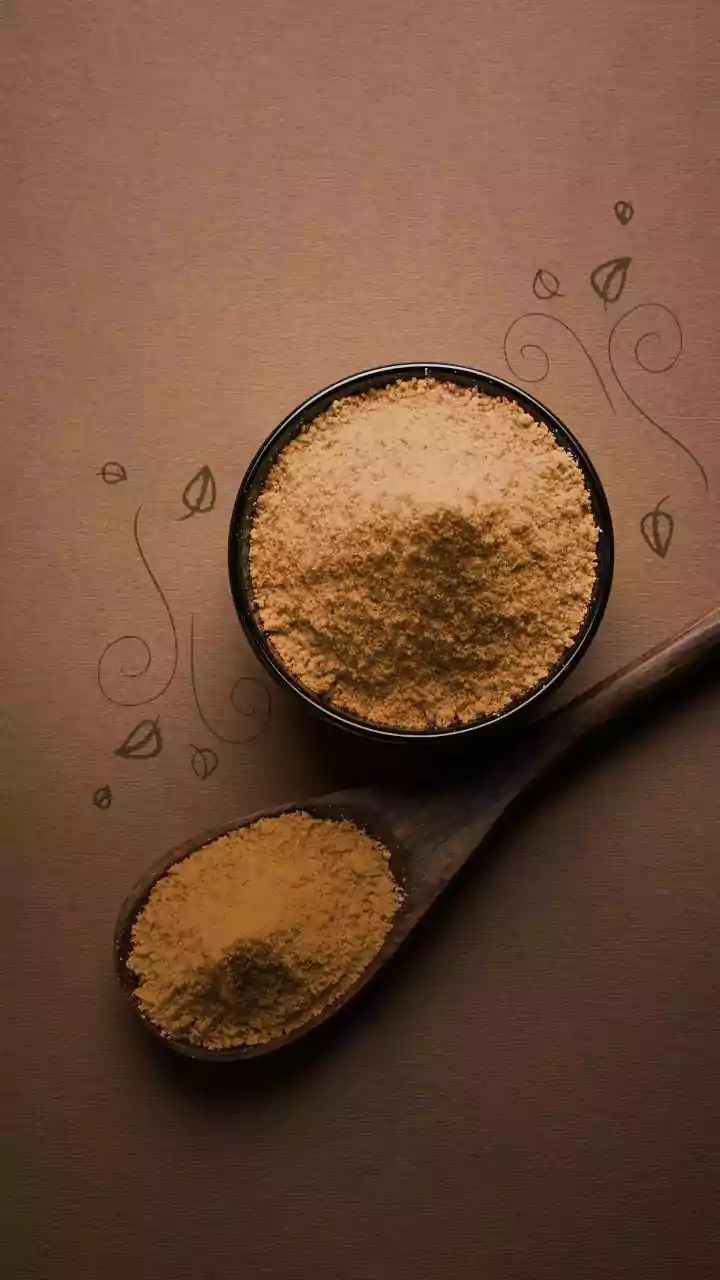
Sugar is even more hygroscopic than flour. It actively pulls moisture from the air, which is why it can get clumpy in humid weather. Introducing a damp spoon to your sugar canister is like giving it a direct injection of what it loves most: water. The sugar will immediately dissolve on contact and then recrystallize into hard, rock-like clumps as it dries. This not only makes future measuring difficult but also means you're adding tiny, hardened sugar pebbles to your batter, which may not dissolve properly during mixing and baking, creating an uneven texture.
Deactivating Your Leavening Agents
This is perhaps the most critical error. Chemical leaveners like baking soda (sodium bicarbonate) and baking powder work by reacting with moisture and acid to produce carbon dioxide gas, which makes your baked goods rise. When you dip a damp spoon into the container, you initiate this chemical reaction right there in the box. The fizzing power that should be reserved for your oven is spent prematurely, neutralizing the leavening agent. This contamination not only ruins the ingredient on the spoon but can also degrade the rest of the contents over time, leading to future bakes that are disappointingly flat and dense.
Cross-Contamination Concerns
Beyond the chemical reactions, there's a food safety aspect to consider. Flour is a raw agricultural product and can sometimes contain harmful bacteria like E. coli or Salmonella. These pathogens are killed during the cooking process. However, introducing moisture from a damp spoon into a bag of flour creates a more hospitable environment for bacterial growth, especially if the spoon wasn't perfectly clean. This also applies to cross-contact between ingredients; a spoon previously used for another ingredient could introduce allergens or strong flavors into your pristine container.
The Baker’s Rules for Dry Success
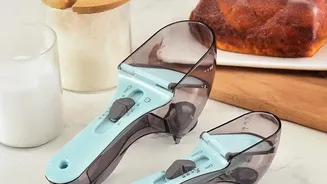
Preventing these issues is simple with a few good habits. First and foremost, ensure your measuring spoons are bone dry before use. If you must wash a spoon mid-recipe, dry it meticulously with a clean towel. An even better solution is to own two sets of measuring spoons—one for wet ingredients and one for dry. When measuring, always tackle your dry ingredients first before moving on to liquids like vanilla extract or milk to avoid this problem altogether. Finally, store your dry ingredients in airtight containers to protect them from ambient humidity, which can cause similar clumping issues over time.