








When Traditional Drains Fail
For decades, our cities have relied on conventional drainage systems: a passive network of channels and pipes designed to carry rainwater away. However, these systems are increasingly overwhelmed. Rapid urbanisation has replaced absorbent soil with concrete
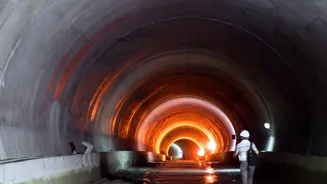
and asphalt, increasing surface runoff. Add to this the challenge of drains clogged with silt and waste, and even a moderate downpour can lead to disaster. Traditional drains lack the ability to adapt; they can't respond to a sudden, intense burst of rain or a blockage downstream. This reactive approach means authorities can often only respond after the flooding has already begun, leaving low-lying areas especially vulnerable to significant damage and health risks from contaminated water.
Enter the Smart Drainage System
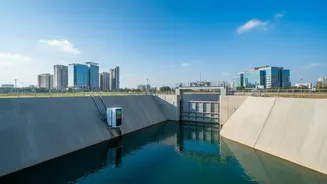
A smart drainage system is a major upgrade, transforming flood management from a passive, reactive process into a proactive and intelligent one. It’s an integrated network that uses modern technology to monitor, predict, and control the flow of water in real time. The core components are Internet of Things (IoT) sensors, automated gates or valves, and a central data analytics platform. These elements work together to create a 'nervous system' for the city's drains, allowing for a dynamic response to changing weather conditions long before a crisis hits. Cities like Kolkata and Chennai have already begun implementing these kinds of advanced flood forecasting and warning systems.
A Real-Time Defence Against Water
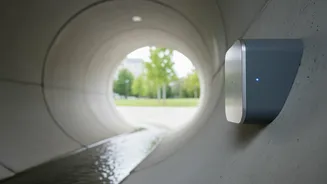
Here’s how it works during a heavy monsoon shower. IoT-enabled sensors placed within the drainage network constantly monitor water levels, flow rates, and potential blockages. This real-time data is continuously sent to a central control hub. There, software, sometimes powered by artificial intelligence, analyses this information alongside weather forecasts to predict which areas are at risk of flooding. If the system detects that a particular channel is nearing capacity, it can automatically trigger a response. This could involve opening or closing smart gates to divert excess water to underutilised parts of the network or into reservoirs. This prevents any single point from becoming overwhelmed and gives authorities a crucial head start.
From Reactive to Proactive Protection
The key benefit for residents in low-lying neighbourhoods is the shift from reaction to prevention. Instead of waking up to find streets inundated, communities can receive early warnings based on precise, street-level forecasts. Authorities, armed with predictive data, can deploy resources more effectively, clearing potential blockages before the rain intensifies. By dynamically managing water flow, these systems can hold back or redirect surges, preventing water from ever reaching critical levels in the most vulnerable zones. This not only protects homes and property but also reduces economic losses and the public health risks associated with polluted floodwaters. It enhances overall urban resilience, making cities safer and more liveable.
The Hurdles to Smarter Cities
While the technology is promising, widespread implementation faces challenges. The upfront cost of installing sensors, actuators, and the necessary communication infrastructure can be high. Integrating these new systems with older, existing drainage networks requires careful planning and engineering. Furthermore, these smart systems need consistent maintenance to ensure sensors are clean and gates are operational. Data security is another concern, as the systems must be protected from cyber threats. Despite these obstacles, the push for smarter infrastructure is growing, with pilot projects and discussions underway in several Indian cities, driven by the clear need to adapt to more extreme weather patterns.