





Choose Fabrics That Perform
The foundation of a good monsoon wardrobe is the right fabric. Heavy materials like denim and pure cotton are a no-go; they absorb water, become heavy, and take ages to dry. Instead, opt for lightweight, quick-drying fabrics. Polyester and nylon are excellent
choices as they repel water. Cotton blends, particularly with polyester or rayon, offer the breathability of cotton but dry much faster, preventing that damp, clingy feeling. Linen, surprisingly, is another great option. While it gets wet, its airy texture helps it dry quickly without trapping odour. For traditional Indian wear, fabrics like rayon and light cotton flex work well for kurtis and suits, as they are breathable and don't stick to the body when damp.
Rethink Your Silhouettes
Monsoon is the time to literally raise your standards—and your hemlines. Long trousers, maxi skirts, and floor-length anarkalis are impractical as they drag through puddles and soak up dirty water. Cropped trousers, culottes, or ankle-length pants are your best friends. They keep your hems clean and dry. If you wear skirts, opt for knee-length or midi styles. For Indian wear, swap out Patiala salwars for slim-fitting cigarette pants, leggings, or churidars that end above the ankle. A-line or straight-cut kurtis are better than flared styles that can be unmanageable in windy, wet conditions.
Step Up Your Footwear Game
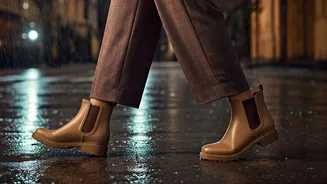
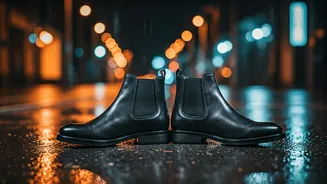
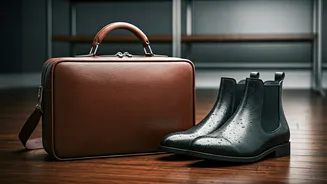
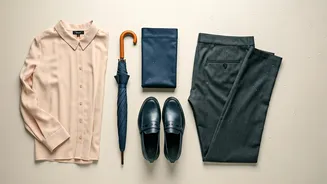
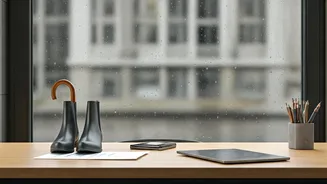
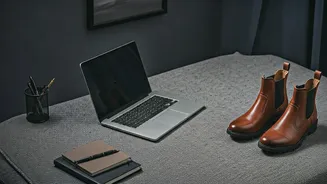
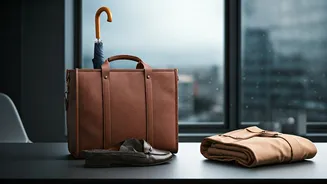
Leather and suede shoes are the first casualties of the rainy season. Water can cause them to warp, stain, and develop fungus. Instead, invest in stylish and practical waterproof footwear. Rubber-soled loafers, waterproof sneakers, and elegant jelly flats are now widely available and can look perfectly professional. Many professionals keep a dedicated pair of formal shoes at the office, commuting in rain-friendly footwear and changing upon arrival. This strategy not only saves your expensive shoes but also ensures you are comfortable and dry throughout the workday.
Master the Art of Layering
A stylish outer layer is your first line of defence against a sudden downpour. Forget the bulky, shapeless raincoats of the past. Modern trench coats and lightweight, packable rain jackets in neutral or bold colours can elevate your entire look. A well-chosen trench coat can be worn over both Western and Indian formal wear, adding a layer of sophistication. Look for jackets made from waterproof yet breathable materials with sealed seams to prevent any leakage. These can be easily folded and stored in your office bag, ready to be deployed when the skies turn grey.
Accessorise with Intention
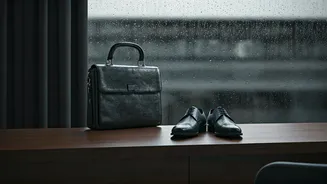
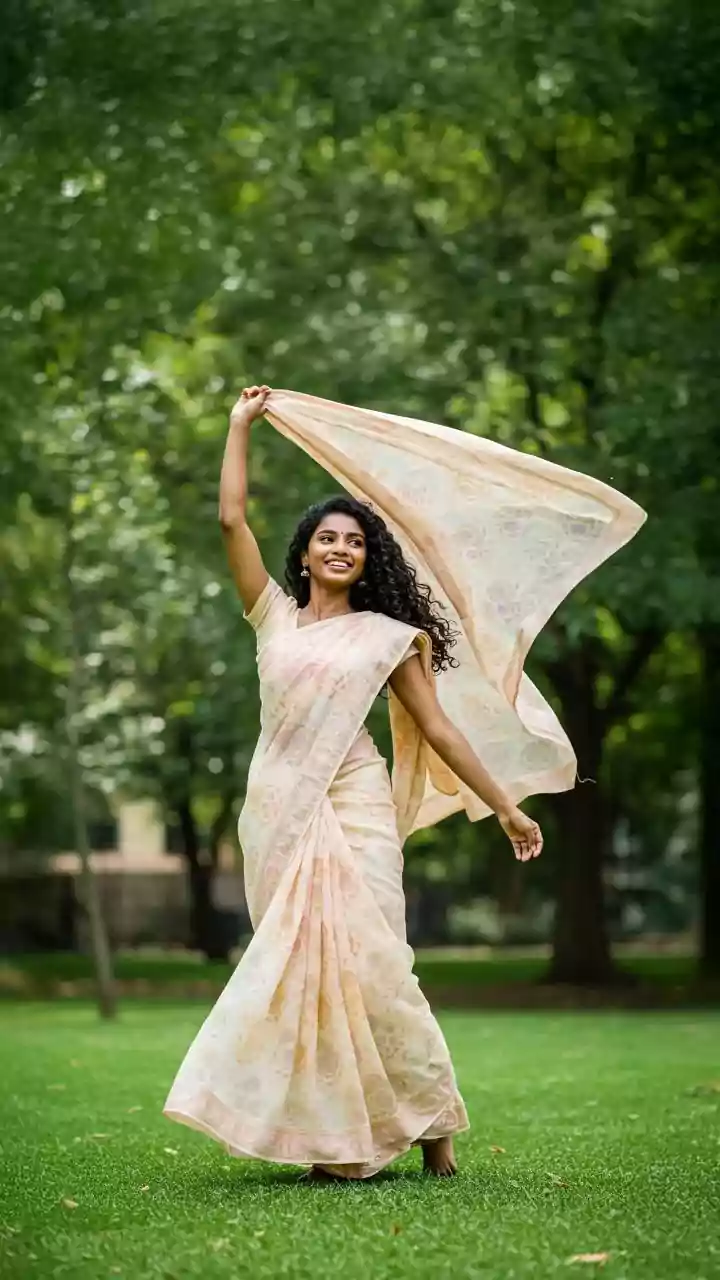
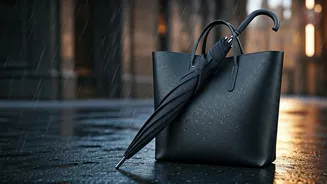
Monsoon calls for a strategic approach to accessories. Leather bags are a risk; switch to waterproof nylon or coated canvas totes that can protect your belongings. A sturdy, wind-resistant umbrella is a non-negotiable investment. When it comes to jewellery, avoid pieces made of wood, which can get damaged by moisture, or oxidised metals that may tarnish or react with the humidity. Simple, classic gold or resin jewellery is a safer and more durable choice. For those who wear traditional attire, consider swapping long, unwieldy dupattas for shorter scarves or stoles that are easier to manage in the rain.
Build an Office Emergency Kit
Even with the best preparation, you can sometimes get caught in a downpour. The ultimate power move is to keep a small 'monsoon emergency kit' at your desk. This should include a small towel, a comb or hairbrush to fix frizzy hair, basic makeup for touch-ups, and a deodorant. Some professionals even keep a complete backup outfit, like a simple, wrinkle-free dress or a shirt-and-trousers set, at the office. This ensures that even if you have a disastrous commute, you can freshen up and look polished and professional for the rest of your day.