








Tackling the 'Anti-Nutrient' Problem
One of the primary scientific reasons to soak mangoes is to reduce their content of phytic acid. [9] Found naturally in many plant-based foods, phytic acid is considered an 'anti-nutrient' because it can hinder the body's ability to absorb essential minerals
like iron, zinc, and calcium. [1, 7] When these minerals bind to phytic acid, they form insoluble compounds that the body can't easily use, potentially leading to deficiencies over time. [6] Soaking mangoes in water for at least 30 minutes helps to leach out or break down this excess phytic acid. [2] This simple process ensures you get the full nutritional benefit from the fruit, turning it into a nutritional goldmine rather than a potential nutrient blocker. [2, 7]
Cooling the 'Heaty' Effect
In traditional Indian wisdom, particularly Ayurveda, foods are classified by their effect on the body. Mangoes are often considered to have a 'thermogenic' or heating property, which means they can increase body heat during digestion. [4, 5, 10] Consuming them in large quantities, especially during hot weather, is sometimes associated with issues like acne, skin rashes, or digestive discomfort. [8, 9] The practice of soaking mangoes is believed to counteract this effect. Submerging the fruit in water for a period is thought to reduce its thermogenic properties, making it 'cooler' and gentler on the system. [3, 9] While the scientific measurement of this effect is complex, many people find it helps prevent heat-related discomfort. [8]
Washing Away Unwanted Residues
Beyond the biochemical benefits, soaking serves a crucial practical purpose: cleaning. A simple rinse under running water may not be enough to remove all surface contaminants. [8] During their journey from farm to table, mangoes can accumulate dirt, debris, and pesticide residues. [3, 8] Soaking them for 20 to 30 minutes allows water to dissolve and loosen these residues from the skin. [3] Furthermore, this practice helps to remove the milky, latex-like sap that can ooze from the stem. [3, 5] This sap contains compounds that can cause skin irritation or allergic reactions, sometimes called 'mango dermatitis,' in sensitive individuals. [2] A good soak helps dissolve and wash away this sap, making the fruit safer and more pleasant to handle and eat. [5]
The Perfect Soak: A How-To Guide
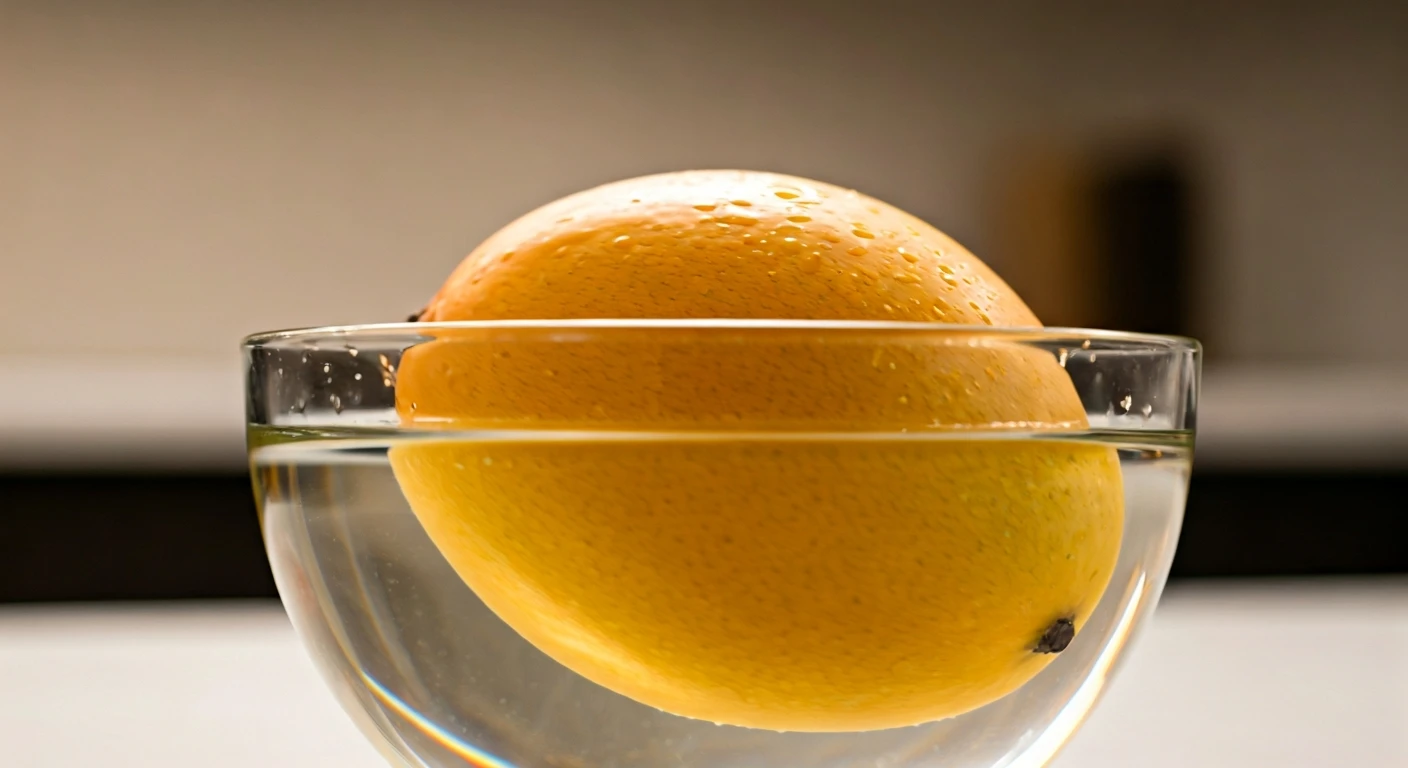
So, what’s the best way to soak your mangoes? The method is simple and requires no special equipment. Start by washing the mangoes thoroughly under running water to remove any obvious dirt. Then, place them in a large bowl and cover them completely with room-temperature water. There's no need for hot water, which can affect the fruit's texture. Let them soak for at least 30 minutes, though some traditions recommend a couple of hours. [1, 5] Shorter soaks of 25-30 minutes are still beneficial if you're short on time. [1] After they have finished soaking, remove the mangoes from the water and pat them dry with a clean towel. [1] Many people also notice an improvement in the fruit's texture, finding it becomes juicier, more succulent, and even sweeter after a good soak. [2, 5]