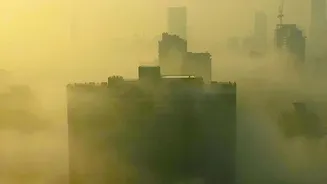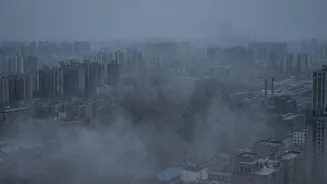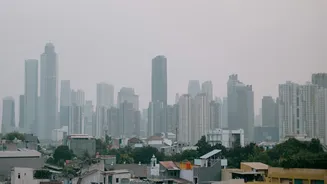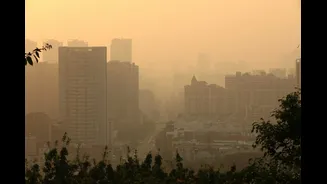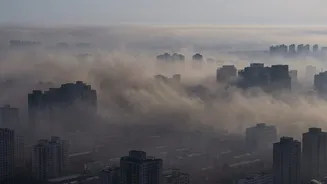





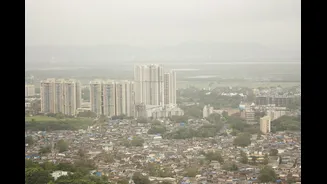
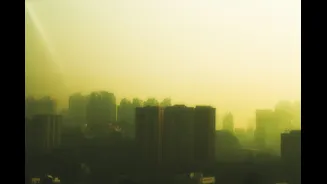
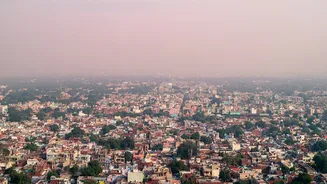
Every winter, a thick, grey blanket of smog descends upon Delhi, and with it comes the familiar narrative of coughing fits and itchy eyes. But the true impact of the city's toxic air is a crisis that runs much deeper than seasonal discomfort.
The Crisis Beyond a Cough
The health
consequences of breathing Delhi's air go far beyond temporary respiratory symptoms. Long-term exposure to high levels of particulate matter like PM2.5 is linked to a host of chronic and severe conditions. These fine particles can penetrate deep into the lungs and enter the bloodstream, increasing the risk of cardiovascular diseases such as heart attacks and strokes, as well as chronic illnesses like asthma, bronchitis, and Chronic Obstructive Pulmonary Disease (COPD). Studies have shown that the damage can be extensive, with one report indicating that up to 2.2 million children in the city may have irreversible lung damage. Children are especially vulnerable because they breathe more air relative to their body weight and their lungs are still developing.
A Toll on Mental Well-being
Emerging research highlights a disturbing connection between air pollution and mental health. The toxic cocktail of pollutants can affect brain chemistry, disrupting neurotransmitters like serotonin and dopamine that regulate mood. Studies have found that prolonged exposure is associated with increased rates of anxiety, depression, and cognitive decline. This has given rise to 'pollution anxiety', a term describing the stress and fear stemming from constant exposure to hazardous air. For those with pre-existing mental health conditions, the oppressive smog can worsen symptoms, making management more difficult as the grey skies directly influence their mental state.
The Heavy Economic Burden
The pervasive pollution inflicts a significant economic toll. A 2021 study in The Lancet estimated that lost output from premature deaths and morbidity due to air pollution cost India 1.36% of its GDP in 2019, with Delhi recording the highest per-capita economic loss. These costs are driven by reduced labour productivity, lost working days, and increased healthcare expenditure. Businesses also suffer. During periods of high pollution, retailers report weaker footfall and sales. Emergency measures under the Graded Response Action Plan (GRAP), such as bans on construction and demolition, can affect hundreds of thousands of workers and delay supply chains, creating a ripple effect across the economy.
A Disrupted Daily Life
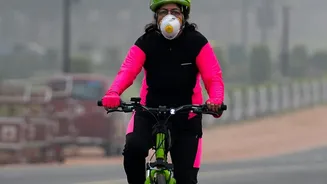
For millions, life in Delhi shrinks indoors during the high-pollution months. Parents often restrict their children from playing outside, and the elderly are forced to abandon their morning walks. This has social consequences, affecting recreation and contributing to a more sedentary lifestyle. Schooling is also frequently disrupted. In recent years, schools have been shut down or shifted to online classes for days at a time when the Air Quality Index (AQI) enters the 'severe' or 'severe+' categories. A 2026 survey revealed that 55% of children had missed school due to pollution-related illnesses. These constant disruptions create a significant psychological burden, forcing residents to adapt their lives around a persistent environmental threat.
An Enduring Search for a Solution
The causes of Delhi's air crisis are complex, stemming from a mix of vehicular emissions, industrial pollution, construction dust, and seasonal stubble burning in neighbouring states. Every year, as the AQI worsens, authorities implement emergency measures under the Graded Response Action Plan (GRAP), which includes restrictions on vehicles and construction. As of November 12, 2026, Delhi's AQI remains in the 'very poor' category at 323, prompting ongoing curbs. While these shortterm actions provide temporary relief, the cycle of pollution returns each winter, highlighting the need for more sustainable, yearround strategies that address the root causes across the entire region.