



The Problem with Today's Batteries
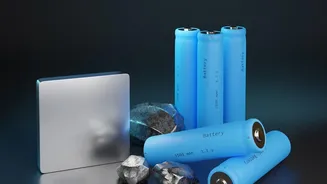
Almost every electric scooter on Indian roads today runs on a lithium-ion battery. This technology has been a workhorse, but it has inherent limitations. At its core, a conventional lithium-ion battery uses a liquid or gel-like substance called an electrolyte
to move energy around. This liquid is flammable, which creates a risk of fire if the battery is damaged, overcharged, or exposed to extreme heat. This phenomenon, known as thermal runaway, has been the cause of widely publicised scooter fires, creating understandable anxiety among owners. Beyond safety, these batteries also degrade over time, typically lasting between 1,500 to 2,000 charge cycles before their capacity noticeably drops. They are also sensitive to temperature, losing performance in both extreme heat and cold, a significant issue for a country with India's diverse climate.
Enter the Solid-State Solution
Solid-state batteries represent a fundamental shift in design. As the name suggests, they replace the flammable liquid electrolyte with a solid, stable material, often a ceramic, glass, or polymer compound. This single change triggers a cascade of benefits. Think of it like the difference between a water pouch that can leak and a solid block of ice; the solid version is inherently more stable and robust. By eliminating the liquid, the risk of leakage and fire is drastically reduced. This innovation isn't just theoretical. Research institutions like IIT Roorkee are actively working on solid electrolyte materials, and companies in India are beginning to invest in manufacturing facilities, signalling a move toward local production.
A New Era of Unmatched Safety
For the everyday rider, the most significant advantage of solid-state technology is safety. The solid electrolyte is non-flammable, which virtually eliminates the risk of the kind of thermal runaway events that have troubled the EV industry. This means charging your scooter overnight in your apartment or leaving it parked under the hot sun becomes far less of a concern. This enhanced stability also makes the batteries more resistant to physical damage from bumps or accidents. As India pushes for greater EV adoption, building public trust is paramount. A battery technology that is inherently safer is a game-changer for convincing millions more to make the switch to electric mobility with confidence.
Go Farther, Last Longer
Solid-state batteries also promise to tackle range anxiety and long-term value. They boast a higher energy density, meaning they can store more energy in the same physical space. This could lead to scooters with a 50% or greater increase in range without needing a bigger, heavier battery pack. Furthermore, their lifespan is significantly longer. While a current lithium-ion battery degrades noticeably after about 2,000 cycles, solid-state batteries can endure 8,000 to 10,000 cycles while retaining most of their capacity. This exceptional durability means the battery could potentially outlast the scooter itself, boosting resale value and reducing the total cost of ownership. They also promise much faster charging, with some prototypes charging to 80% in under 15 minutes.
The Road to Indian Streets
While the benefits are clear, solid-state batteries won't be on every scooter overnight. The primary hurdle is cost. Manufacturing these advanced batteries is currently expensive, and scaling up production to meet mass-market demand is a major challenge. We can expect them to first appear in premium or high-performance models, likely in late 2027 or 2028. However, the push is on. Major global players are investing billions, and Indian companies like Vikram Solar are planning to establish local manufacturing. Additionally, research at Indian institutions is helping to create an ecosystem for this technology to thrive domestically. This local focus supports the 'Atmanirbharta' initiative and can help make this advanced technology more accessible in the long run.