





The Reality of Rising Costs
It’s not just your imagination; your grocery bill is definitely higher. Recent data for August 2026 shows that food inflation in India is hovering around 5.95%, with rural households often feeling a bigger pinch than urban ones. Essentials that form the
base of many festival dishes, like onions, ginger, and garlic, have seen sharp price increases over the past year. This upward trend is driven by several factors, including uneven monsoon rains and rising transport costs, making festive preparations more expensive. Food accounts for a significant portion of household spending, so these increases directly impact how much is left for other festive activities.
Master Your Menu Before You Shop
The single most effective way to control your spending is to plan. Before you even think about heading to the market, sit down and map out your festival meals. Decide which sweets, snacks, and main courses you absolutely want to make. This isn't about limiting joy, but about focusing it. Once you have your menu, create a detailed shopping list based on the exact ingredients required. This simple discipline prevents impulse buys, which are a primary cause of budget overruns. Check your pantry first to see what you already have. There’s no point buying a new bottle of ghee or a packet of cardamom if you have one hiding in the back of a cupboard.
Become a Savvy Shopper
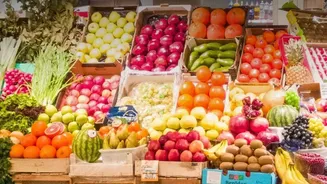
Where and when you shop matters. While the convenience of online apps is tempting, you often pay a premium for it. Your local sabzi mandi or weekly market is likely to offer vegetables and fruits at a much lower price. For non-perishable staples like rice, atta, lentils, and sugar, buying in bulk can be significantly cheaper in the long run. Look out for promotional offers and discounts at larger hypermarkets for these items. Also, try to shop when you're not hungry; an empty stomach often leads to a fuller, more expensive cart filled with unnecessary snacks. Comparing prices between a couple of local stores and online platforms for your bulk items can also yield surprising savings.
Smart Swaps and Ingredient Intelligence
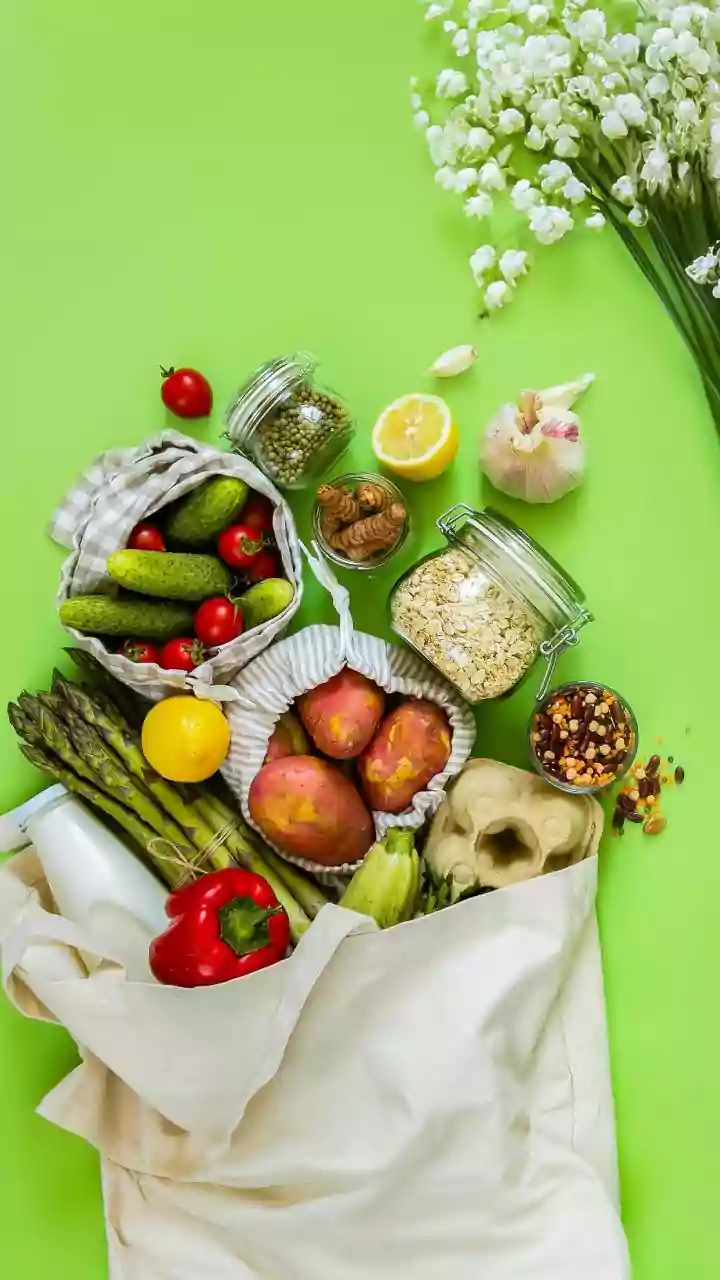
A smart cook knows how to adapt. If a particular vegetable the recipe calls for is exorbitantly priced, consider a seasonal alternative. Seasonal produce is almost always fresher and cheaper. For example, using seasonal greens in a dish instead of imported broccoli can make a huge difference to the cost. Don't be afraid to lean on versatile and affordable staples like potatoes, which have seen prices decrease recently, or lentils. You can also explore growing some of your own essentials. Even a small pot on a balcony can provide a steady supply of fresh chillies, coriander, or mint, saving you small but frequent expenses.
Reduce Waste in the Kitchen
A budget-conscious kitchen is one that wastes nothing. Plan to use leftovers creatively. Yesterday's dal can become the base for today's parathas. Cook in batches; dishes like chole or rajma often taste even better the next day and save you from cooking from scratch every time. Be mindful of using every part of your ingredients. Vegetable peels and scraps can be boiled to create a flavourful stock for soups and gravies. Properly storing ingredients is also key. Keep greens fresh by wrapping them in a damp cloth and store spices away from direct heat and light to preserve their potency, ensuring you get the most out of every purchase. Meticulously checking expiration dates while shopping and organising your pantry ensures you use items before they go bad.