
What is a Frisella?
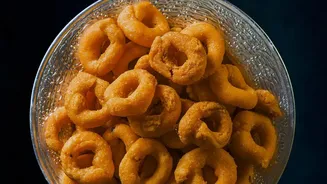
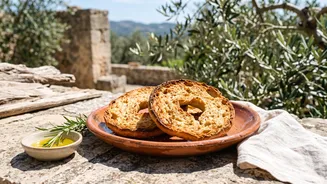
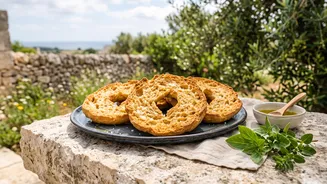
At first glance, a frisella (the singular of friselle) looks like a rustic, rock-hard bagel. Made from simple ingredients like durum wheat or barley flour, water, yeast, and salt, these ring-shaped rusks are a cornerstone of Southern Italian food culture.
Their defining characteristic is their texture: incredibly hard and crunchy, with a porous interior that’s perfect for soaking up flavours. This isn't a bread you bite into directly from the bag. Instead, it’s designed to be rehydrated, a process called 'sponzare', by quickly dipping it in water before it’s dressed with toppings. This ritual transforms the hard ring into a satisfying base that is soft on the inside but still wonderfully crisp.
The Ancient Art of Double Baking
The secret to the frisella’s longevity lies in a method that predates refrigeration by centuries: double baking. The process is similar to that for biscotti, which literally means 'twice-cooked'. First, the dough is shaped into rings and baked until cooked through. Then, the crucial second step: the rings are sliced horizontally and baked again at a lower temperature. This second bake is key, as it meticulously removes almost all moisture from the bread. According to a baker who spoke to the BBC, this can involve a 40-minute initial bake followed by another 90 minutes of drying in the oven. This extreme dehydration makes the bread an inhospitable environment for mould and bacteria, the culprits behind spoilage.
A Food Born of Necessity
Friselle were born from the 'cucina povera' (kitchen of the poor) tradition of Puglia, a region of farmers and fishermen. Before modern preservation, people needed food that was portable and wouldn't spoil on long journeys. Dating back to at least the 10th century, friselle were the perfect solution for sailors, merchants, and soldiers, sometimes called the 'bread of the Crusaders'. Their ring shape was practical, allowing them to be strung on a rope for easy transport and storage aboard ships. Sailors would often dip the hard bread directly into seawater to soften it before eating, a testament to its hardy origins. What began as a food of necessity evolved into a beloved cultural staple.
How to Enjoy Friselle Today
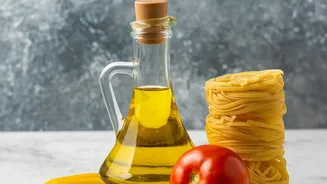
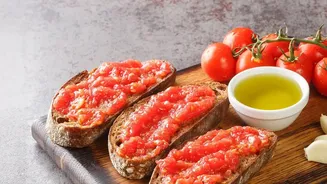
While you can skip the seawater, the ritual of rehydrating friselle remains. A quick dip under running water is all it takes to prepare the base. From there, the possibilities are endless. The most classic Puglian preparation is simple and perfect: top the damp frisella with chopped fresh tomatoes, a generous drizzle of high-quality extra virgin olive oil, a sprinkle of salt, and a pinch of oregano. The porous surface of the bread soaks up the tomato juice and oil, creating a burst of Mediterranean flavour. Other popular toppings include olives, capers, anchovies, or even local cheeses like burrata. Though they shine in the summer with fresh produce, friselle are a year-round pantry hero, ready to be topped with roasted vegetables or bean salads in the colder months.