




When the temperature rises, reaching for a glass of water is a natural reflex. But staying properly hydrated isn't just about what you drink. Many fresh fruits and vegetables are packed with water, offering a delicious way to meet your fluid needs.
Why 'Eating' Your Water Matters
While
drinking plenty of water is essential, experts note that around 20% of our daily fluid intake comes from food. During warm seasons, when we lose more water and electrolytes through sweat, turning to hydrating produce can be a game-changer. These foods not only provide water but also come bundled with essential vitamins, minerals, and antioxidants that support overall health. Fruits and vegetables with a water content of 80% or more are particularly effective at helping you stay hydrated. This approach adds flavor and nutrients to your diet, making hydration less of a chore and more of a delicious part of your daily meals.
Cucumber: The Ultimate Hydrator
Comprised of about 96% water, cucumbers are at the top of the list for hydrating foods. This makes them incredibly refreshing on a hot day. Beyond their high water content, cucumbers are low in calories and provide nutrients like potassium and magnesium. Their crunchy texture makes them a satisfying snack on their own, a great addition to salads and sandwiches, or a cooling infusion for a pitcher of water. They also contain antioxidants that contribute to skin health, making them a true summer staple.
Watermelon: A Sweet Summer Staple
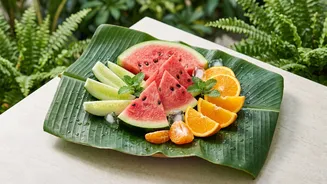
As its name suggests, watermelon is an exceptional source of hydration, with a water content of around 92%. But its benefits don't stop there. Watermelon is a good source of important electrolytes like potassium, which is crucial for maintaining fluid balance, especially after physical activity. It's also packed with vitamins A and C and the antioxidant lycopene, which helps protect cells from damage. Sliced, blended into a smoothie, or frozen into cubes, it’s a versatile and tasty way to replenish fluids.
Strawberries: Nutrient-Dense and Refreshing
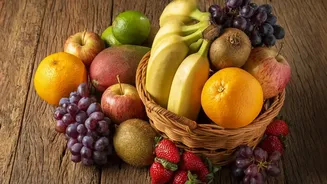
Don't let their small size fool you; strawberries are hydration powerhouses, containing about 91% water. They are also an excellent source of vitamin C and fiber, which supports a healthy immune system and digestion. Strawberries provide a range of electrolytes, including potassium and magnesium, making them a smart choice for a post-workout snack or a sweet treat on a warm afternoon. Their natural sweetness makes them a perfect addition to yogurt, oatmeal, or a fresh summer salad.
Celery: Crunchy and Full of Fluids
Known for its distinctive crunch, celery is made up of about 95% water. This makes it an incredibly efficient food for hydration. In addition to its high water content, celery provides fiber, potassium, and vitamin K. These nutrients help support digestion and maintain mineral balance within the body. Its low_calorie profile makes it an ideal vehicle for dips like hummus or nut butter, turning a simple snack into a hydrating and more filling option.
Bell Peppers: Colorful and Hydrating
Whether red, yellow, or green, bell peppers have a high water content of around 92%. These versatile vegetables are also loaded with vitamin C, antioxidants, and B vitamins. The vitamin C in bell peppers not only boosts immunity but also supports collagen production, which helps keep skin healthy. They add a satisfying crunch to salads, stir_fries, and sandwiches, providing both hydration and a significant nutritional punch.
Leafy Greens: A Salad's Hydrating Base
Leafy greens like iceberg, romaine, and spinach are surprisingly hydrating. Iceberg lettuce leads the pack with up to 96% water, while nutrient_denser options like romaine and spinach still boast water content well over 90%. Spinach, for example, is also a great source of iron, magnesium, and potassium. Building your summer salads on a base of these greens is an easy and effective way to increase your fluid intake while getting a healthy dose of vitamins and minerals.