



The Untapped Potential of Herb Stems
In kitchens across India, fresh herbs are indispensable. From the final flourish on a dal to the heart of a vibrant chutney, they add unparalleled freshness. Yet, a significant portion of the herb—the stem—is often relegated to the bin. This is especially
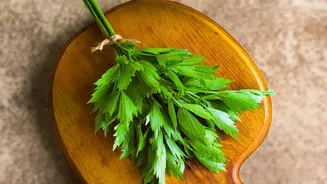
true for coriander, where the leaves are plucked and the tougher stems are discarded. However, these stems are packed with the same essential oils that make the leaves so aromatic. In fact, the flavour in coriander stems is often more concentrated and robust, making them a powerful ingredient in their own right. Embracing a zero-waste philosophy doesn't just mean reducing what you throw away; it's about unlocking the hidden value in what you already have. Transforming these stems into a fragrant infused oil is a simple, elegant way to honour the entire plant and introduce a new layer of flavour to your cooking.
How to Make Coriander Stem Oil
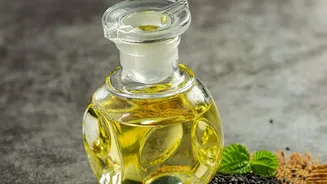
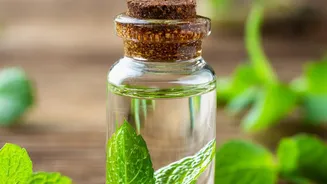
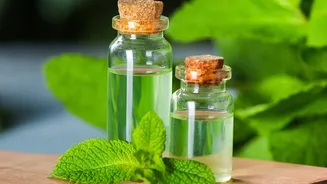
Creating your own herb oil is a straightforward process that requires just two main ingredients: coriander stems and a neutral oil. One popular technique involves blanching the herbs to lock in their vibrant green colour and fresh taste. Start by bringing a pot of salted water to a rolling boil and preparing a bowl of ice water on the side. Wash your coriander stems thoroughly. Plunge them into the boiling water for just 10-15 seconds, until they turn a brilliant green, then immediately transfer them to the ice bath to stop the cooking process. Once cooled, the most crucial step is to dry the stems completely. Pat them thoroughly with a clean tea towel, as any excess moisture can lead to spoilage. Place the blanched, dried stems into a blender with a neutral-flavoured oil, like grapeseed or a light olive oil, using a ratio of roughly one part herbs to two parts oil. Blend on high speed until the mixture is smooth and warm to the touch. Finally, strain the mixture through a fine-mesh sieve lined with cheesecloth or a coffee filter into a clean, sterilised bottle. Don't press down on the solids; allow the oil to drip through naturally for a clearer result.
Important: Safety and Storage
When infusing oil with fresh ingredients like herbs, safety is paramount. The low-acid, oxygen-free environment created by submerging fresh herbs in oil can be a breeding ground for Clostridium botulinum bacteria, which can cause botulism. The blanching and thorough drying process helps mitigate this risk, but proper storage is non-negotiable. Your homemade fresh herb oil must be stored in the refrigerator in an airtight container and should be used within four days to a week. For longer-term storage, the oil can be frozen in ice cube trays. These 'flavour bombs' can then be popped directly into pans for sautéing or into soups and stews. Never store homemade oil infused with fresh, non-acidified ingredients at room temperature.
Creative Ways to Use Your Creation
Now for the fun part. This vibrant green oil is a versatile addition to your culinary toolkit. Drizzle it over a finished soup, a bowl of dal, or roasted vegetables for an instant flavour and visual boost. Whisk it into a simple vinaigrette with lemon juice and salt for a spectacular salad dressing. Use it as a finishing oil for grilled paneer, chicken, or fish to add a fresh, herbaceous note. It can also serve as a flavourful base for marinades or be folded into yoghurt with a pinch of salt to create a quick, delicious dip for snacks. The possibilities are as varied as your culinary imagination, turning a simple kitchen scrap into a signature flavour.
Beyond Coriander: A World of Infusions
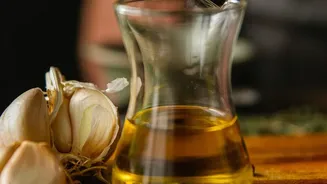
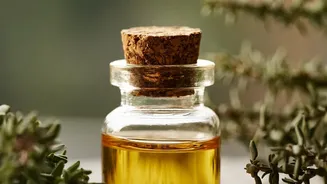
This technique isn't limited to just coriander. The same principles can be applied to other soft-stemmed herbs like parsley, basil, and dill. You can even create infusions with woody herbs like rosemary and thyme, although these tougher stems benefit from a gentle heating method where the oil is warmed to around 80°C before being poured over the herbs to steep. Feel free to experiment by adding other aromatics like a smashed clove of garlic (remembering the same refrigeration rules apply), a strip of lemon zest, or a dried chilli to create complex, layered flavours tailored to your taste. By viewing herb stems as an ingredient rather than waste, you open up a new dimension of flavour in your home cooking.