





The Vitamin C Champion
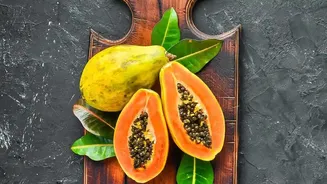
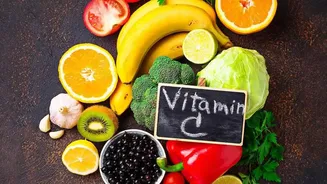
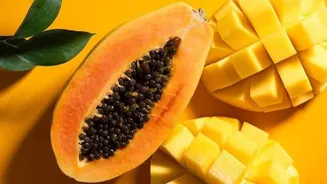
If you are looking to boost your immunity, papaya is the undisputed winner. A single cup of papaya can provide nearly a full day's recommended amount of Vitamin C, an essential antioxidant for skin health and immune defence. While mango is also a good
source, papaya contains significantly more, with some estimates suggesting it has over 50% more of this vital nutrient than its rival. For anyone looking to fight off a cold or support collagen production for glowing skin, reaching for a slice of papaya is a smart choice.
The Battle for Vitamin A
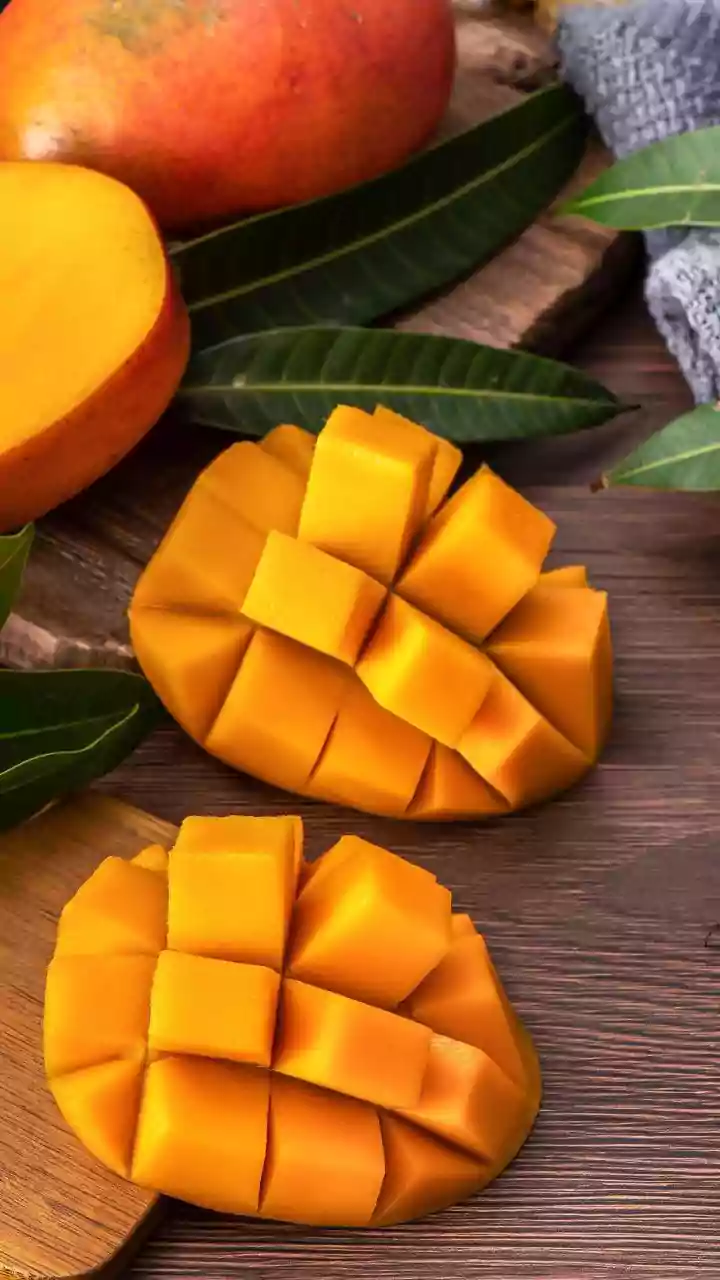
When it comes to eye health, mango takes the crown. Mangoes are packed with beta-carotene, which the body converts into Vitamin A. This nutrient is crucial for good vision, a healthy immune system, and skin cell turnover. While papaya also contains a respectable amount of Vitamin A, mango consistently comes out ahead in this category. In fact, a medium-sized mango can provide a large portion of your daily Vitamin A requirement, making it a powerful food for maintaining healthy eyesight.
Fibre, Digestion, and a Secret Weapon
Both fruits are excellent sources of dietary fibre, making them great for digestive health. Fibre helps you feel full longer, aids in regular bowel movements, and can help regulate blood sugar levels. However, papaya has a unique advantage: a powerful enzyme called papain. Found in high concentrations in the fruit, papain helps break down proteins, which can ease digestion, especially after a heavy meal. This makes papaya a fantastic choice for those with sensitive stomachs or who experience bloating. Mango also contains beneficial compounds like mangiferin, which supports gut health, but papain gives papaya a special digestive edge.
A Look at Calories and Sugar
For those watching their calorie or sugar intake, papaya is the lighter option. It contains fewer calories and significantly less sugar per 100 grams compared to mango. A cup of papaya has roughly 40% fewer calories and about half the sugar of a cup of mango. This makes papaya a great choice for weight management or for individuals who need to monitor their blood sugar levels. Mango, while sweeter and more energy-dense, has a slightly lower glycemic index, meaning it may cause a slower rise in blood sugar despite its higher sugar content.
Antioxidants and Other Nutrients
Both fruits are rich in antioxidants, which help protect the body from damage caused by free radicals. Mango is loaded with polyphenols and beta_carotene, while papaya offers lycopene, the same antioxidant found in tomatoes, in addition to its high Vitamin C content. When it comes to other micronutrients, the results are mixed. Mango tends to be richer in folate (Vitamin B9) and Vitamin E. On the other hand, papaya often contains slightly more potassium and calcium. This highlights how a varied diet including both fruits can provide a broader range of essential nutrients.