




The Buzz About Our Cities
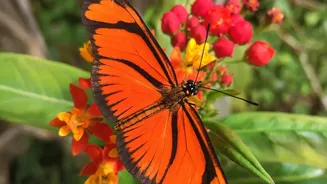
For many city dwellers in India, the buzz of a bee or the flutter of a butterfly is a welcome, if increasingly rare, sight. These creatures, known as pollinators, are more than just pretty visitors. They are essential workers in our ecosystem. As they
travel from flower to flower searching for nectar, they carry pollen, enabling plants to produce fruits, vegetables, and seeds. According to the Food and Agriculture Organization, about 75% of the world's food crops depend on pollination, and in India, this includes everything from brinjals and cucumbers to the success of our wild flowering plants. This vital work isn't just done by the honeybees we know, but by hundreds of species of native bees, butterflies, moths, birds, and beetles.
An Urban Challenge
Unfortunately, life in the city is becoming tougher for these crucial creatures. Rapid urbanisation means fewer parks and green spaces. The gardens that do exist often feature ornamental plants that offer little food. Add to this the stress from air pollution, rising temperatures, and the use of chemical pesticides, and our cities become challenging environments for pollinators to survive. Studies have shown that bee populations decline with urbanisation, and air pollution can even impact their health, making them sicker and less effective at their jobs. This loss of habitat and food sources creates 'green deserts' where pollinators struggle to find what they need.
The Balcony Becomes a Lifeline
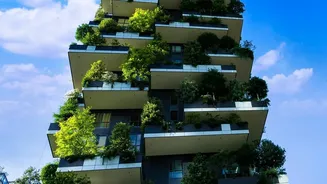
This is where apartment dwellers come in. A single balcony, no matter how small, can become a vital 'stepping stone' for nature. Think of it as a roadside cafe on a long highway, offering a much-needed stop for food and rest. When many balconies in a building or neighbourhood are filled with the right plants, they create a connected network, a 'green corridor' that helps pollinators navigate the urban landscape. This simple act is transforming isolated urban spaces into a collective lifeline, proving that you don't need a large garden to make a significant difference. Even a few well-chosen pots can become a bustling hub for local wildlife.
Your Pollinator-Friendly Plant Guide
The key is choosing the right plants. While foreign ornamental flowers might look appealing, many traditional Indian plants are easy to grow and are rich sources of nectar for local pollinators. Aim for variety in colour, shape, and blooming seasons to provide a continuous food supply. Popular choices for Indian balconies include: Marigold (Genda): These hardy, bright flowers are a magnet for bees and butterflies and tolerate Indian climates well. Hibiscus (Gudhal): A favourite for attracting a variety of insects and nectar-feeding birds like sunbirds. Jasmine (Mogra/Chameli): The fragrant flowers attract moths and other nocturnal pollinators. Tulsi (Holy Basil): When allowed to flower, its tiny blooms are irresistible to many species of small bees. Zinnia and Cosmos: These easy-to-grow, daisy-like flowers are loved by butterflies. Flowering Herbs: Don't harvest all at once! Allowing mint, rosemary, or coriander to flower provides valuable food for beneficial insects.
More Than Just Flowers
Creating a complete habitat goes beyond just planting. To make your balcony a true sanctuary, consider these simple additions. First, provide a safe water source. A shallow dish filled with pebbles or marbles allows bees and butterflies to drink without the risk of drowning. Remember to refresh the water regularly. Second, avoid using chemical pesticides and herbicides at all costs, as they can be deadly to pollinators. Opt for organic pest control methods instead. Finally, you can offer shelter. A small bundle of hollow stems or a commercial 'bee hotel' can provide nesting spots for solitary bees, many of which are gentle and crucial pollinators.