


Understanding the Onam Sadya
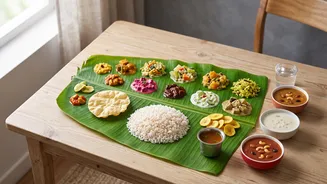
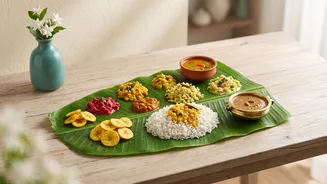
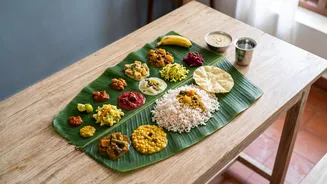
The Sadya, meaning 'banquet' in Malayalam, is a multi-course vegetarian meal served on a banana leaf. It is the centrepiece of Onam, a festival celebrating the homecoming of the mythical King Mahabali. A traditional Sadya is designed to be a balanced
meal, incorporating a harmony of sweet, sour, salty, and spicy flavours across dozens of dishes. While some feasts can feature up to 64 items, a home-style Sadya can be just as special with a more focused selection. The key is the variety and the specific order in which the dishes are served and eaten.
The Essential Sadya Menu
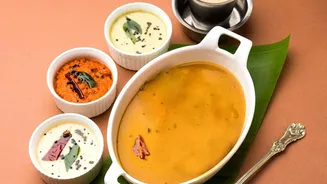
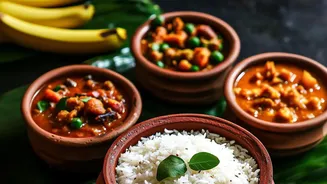
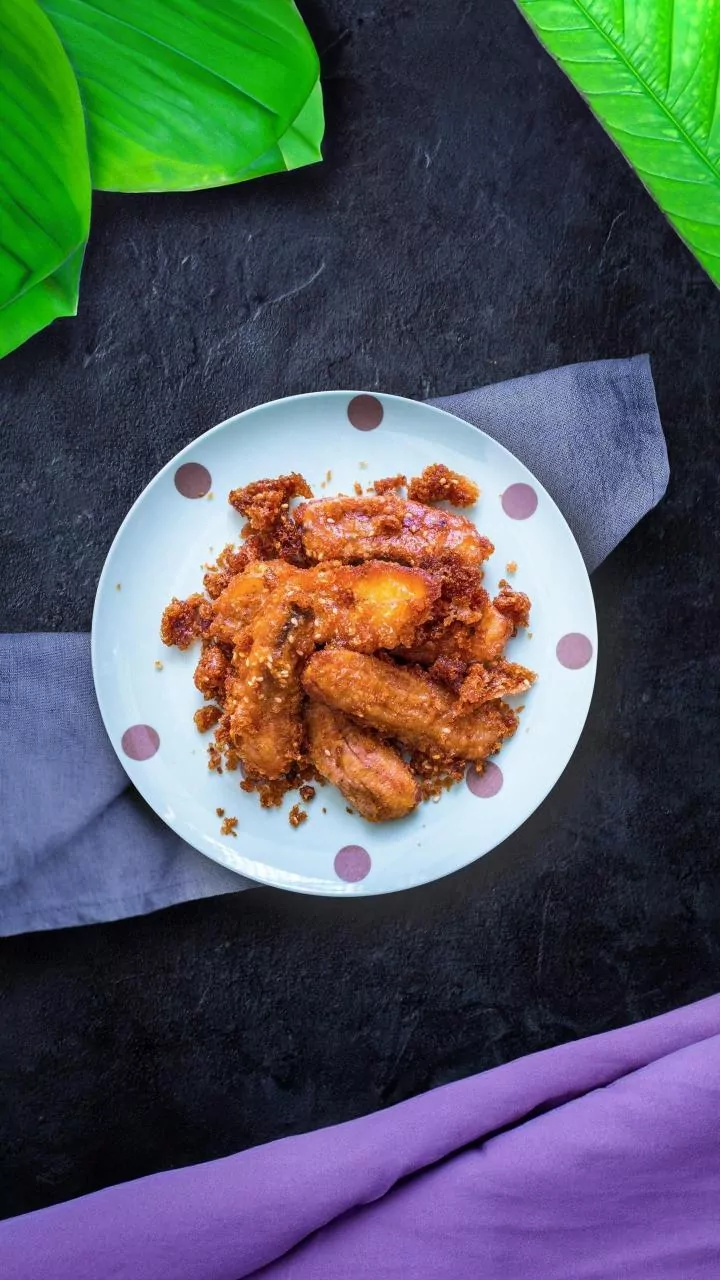
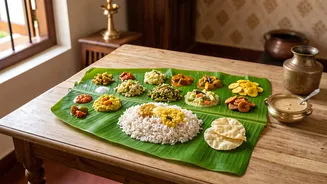
While menus vary by region and family, a core set of dishes defines the Sadya experience. You can choose to make all of them or select a few from each category. The essentials include: Kerala Matta Rice, the foundation of the meal. Accompaniments like Pappadam, Banana Chips (Upperi), and jaggery-coated Sharkara Varatti are a must. Pickles and preserves such as Inji Puli (a sweet and sour ginger-tamarind pickle) and Naranga Achar (lime pickle) are served in small quantities to balance flavours. Key side dishes, or 'thoran', include stir-fries with coconut, like cabbage or beans. The main curries feature stars like Avial (mixed vegetables in a coconut-yoghurt gravy), Sambar (a fragrant lentil stew), Olan (ash gourd in coconut milk), and Kootu Curry (a hearty dish with chickpeas and yam). Finally, no Sadya is complete without Payasam, a sweet pudding that serves as dessert.
Phase 1: Planning and Prep (3-4 Days Before)
Success lies in preparation. The biggest mistake is trying to do everything on Onam morning. A few days ahead is the time for planning. First, finalize your menu and create a detailed shopping list. Many ingredients like coconut (in its many forms), lentils, rice, jaggery, and spices overlap across dishes. This is also the perfect time to prepare items that have a longer shelf life. Pickles like Inji Puli and mango pickle can be made well in advance. You can also make banana chips and Sharkara Varatti or buy them ready-made to save time.
Phase 2: The Day Before Onam
This is your main prep day. The most time-consuming task is chopping vegetables, so tackle that first. You can wash, peel, and chop vegetables for dishes like Avial, Sambar, and Thoran and store them in airtight containers in the fridge. Soaking lentils and beans overnight is also a critical step. You can grate coconut in bulk, as it is a primary ingredient in most dishes. Some cooks also prefer to prepare the Sambar and certain payasams a day in advance, as their flavours can develop overnight.
Phase 3: The Big Day's Cooking
On Onam morning, focus on the fresh dishes. Start by cooking the pre-soaked lentils and boiling the vegetables you prepped the day before. One popular hack is to make a large batch of the base coconut-green chilli-cumin paste, which is used in Avial, Thoran, and Pachadi, and then divide it among the dishes. Begin cooking the side dishes like Thoran, Kalan, and Olan first. While they simmer, you can work on assembling the Avial and making Rasam. The rice should be cooked last so it is served hot. Frying the papadams just before serving ensures they are perfectly crisp.
How to Serve: The Final Flourish
Serving the Sadya is an art form with its own set of rules. The banana leaf is placed with its tip pointing to the left of the guest. The top half of the leaf is for the side dishes, while the bottom half is for the rice. Service starts from the top left corner, where you place a pinch of salt, a banana, pappadam, and chips. Next, moving from left to right, the pickles, Kichadi, Pachadi, and other side dishes like Thoran, Olan, and Avial are served. Once the guest is seated, a mound of hot rice is served in the bottom center. The liquid curries are served over the rice in a specific sequence: first Parippu with ghee, followed by Sambar, and then Pulissery or Rasam. The meal traditionally concludes with Payasam, often served directly on the leaf, followed by a final serving of rice with buttermilk to cleanse the palate.