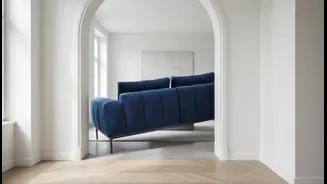







The Delivery Day Nightmare
It’s a moment of pure frustration. After weeks of anticipation, your new furniture arrives, but the delivery team takes one look at your entryway and shakes their head. The piece is too wide, the hallway corner is too tight, or the elevator is too small.
Suddenly, your dream purchase becomes a logistical nightmare, potentially involving scratched walls, damaged furniture, or the disappointing realisation that it must be returned. This common scenario isn't just a delivery-day failure; it’s often a failure of design foresight. The traditional approach to furniture buying focuses on aesthetics and in-room dimensions, leaving the critical path from the truck to the room as an afterthought. This oversight can lead to stress, unexpected costs, and the hassle of returns.
Thinking Like a Designer
The key is to shift your mindset. Instead of asking only, "Will this look good in my living room?" you should also ask, "How was this piece designed to get there?" Great furniture design isn't just about how an item looks and functions once it’s in place; it's also about how it travels and adapts. Considering moving access as an integral part of the design process separates smart, modern furniture from merely stylish pieces. This means thinking about movability before you even add an item to your cart. It involves looking for furniture that is either intelligently constructed for easy transport or designed in sections that can be assembled on-site. This approach empowers you, the buyer, to avoid problems before they begin.
The Magic of Modular and Flat-Pack
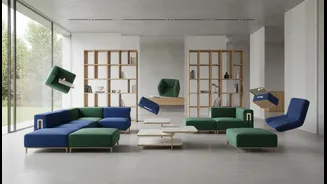
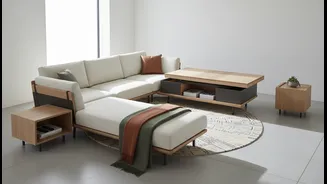
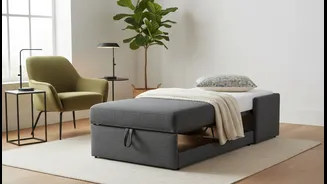
This is where modular and flat-pack furniture shine. Modular furniture consists of separate, pre-made units that can be combined in various ways. Think of a large sectional sofa that arrives in three smaller, more manageable pieces. Flat-pack furniture, famously championed by IKEA, is designed to be shipped in a compact box and assembled by the consumer. Both concepts are solutions for modern living, especially in urban Indian homes where entryways can be narrow and lift sizes restrictive. Brands like Godrej Interio, Pepperfry, Urban Ladder, and Nilkamal have embraced this trend, offering stylish and practical solutions that don't require you to remove a window frame to get them inside. These designs acknowledge that a home is not a static showroom; it’s a living space where things need to move in and, eventually, move out.
Your Pre-Purchase Measurement Guide
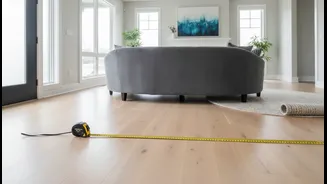
Before you fall in love with a piece, become best friends with your measuring tape. A few minutes of measuring can save you hours of heartache. Start by measuring the furniture's dimensions—width, depth, and height. Then, measure every point on the delivery path. This includes the width and height of all exterior and interior doorways, hallways, and staircases. Don't forget to account for things that stick out, like doorknobs and handrails. For stairways, measure the width, the ceiling height at the bottom and top, and the clearance at any landings or turns. If you live in an apartment building, measure the elevator's interior dimensions and the door opening. Compare these numbers to the furniture's dimensions to ensure a smooth passage.
Beyond the Obvious Obstacles
Sometimes, it's the less obvious obstacles that cause the biggest problems. Look up and around. Are there low-hanging light fixtures, ceiling fans, or fire sprinklers along the delivery path? These are easily forgotten but can completely obstruct movement. Note tight corners or entry clearances where the furniture will need to be angled. One useful technique is to measure the diagonal depth of a sofa or large cabinet, as it often needs to be tilted to fit through a door. Before the delivery team arrives, it's also wise to clear the path by removing wall art, rugs, and other small items that could get in the way or be damaged.