



Why Proactive Support is Crucial
Tall perennials like delphiniums, hollyhocks, and lilies, as well as top-heavy bloomers like peonies and dahlias, are especially vulnerable to damage from harsh weather. Strong winds and the weight of rainwater can cause their impressive stems to bend,
break, or flop over entirely. This not only ruins the aesthetic of your garden but can also lead to disease if foliage is left lying on damp ground. By providing support before a bad forecast, you help your plants withstand the elements, ensuring their structural integrity and preserving their beautiful display. Acting early is key, as installing supports when plants are young prevents root damage that can occur when pushing stakes into established root balls.
Choosing Your Support System
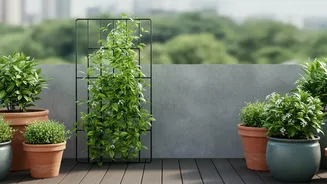
The right support depends on the plant's growth habit. For single-stem giants like sunflowers or foxgloves, a single, sturdy stake made of bamboo, metal, or wood is often sufficient. For multi-stemmed or clumping plants such as peonies, shasta daisies, or asters, grow-through supports like circular grids, cages, or foldable wire fencing are ideal. These should be placed early in the season, allowing the plant to grow up through the structure for seamless support. Vining plants like clematis or sweet peas require a trellis or netting to climb. For a more natural look, you can even use pruned tree branches to create rustic-looking supports that blend into the garden.
The Right Materials for Tying
What you use to tie the plant is just as important as the stake itself. The cardinal rule is to use something soft and flexible that won't cut into the plant's stem as it grows and moves. Good options include soft garden twine, jute, strips of cotton fabric, or even old pantyhose. Many gardeners prefer specialized products like hook-and-loop gardening tape (similar to Velcro) or cushioned wire ties, which are gentle on stems and easily adjustable. Avoid using zip ties, thin plastic string, or bare wire, as these can girdle and damage the stem, restricting the flow of water and nutrients.
A Guide to Proper Technique
Proper technique ensures your support is effective and doesn't harm the plant. When using a single stake, insert it a few inches away from the plant's base to avoid damaging the main root structure. Push the stake about 6-8 inches into the ground for stability. When tying the stem to the stake, use a loose figure-eight loop. This method crosses the tie between the stem and the stake, creating a buffer that prevents rubbing and allows the stem to flex naturally in the wind. The plant should be secure but not rigid. Tie the plant at intervals, typically every 6-8 inches up the stem, with the highest tie positioned just below the lowest flowers or heaviest part of the plant to provide adequate support.
Common Staking Mistakes to Avoid
Even with the best intentions, a few common errors can undermine your efforts. The most frequent mistake is tying stems too tightly, which can strangle the plant as it grows. Check your ties periodically throughout the season and loosen them if they become snug. Another pitfall is waiting too long. Staking an already-flopped plant is much harder and risks breaking the stem. Always stake proactively. Using a stake that is too short is another issue; it should be tall enough to support the plant at its mature height. Finally, placing a stake directly against the stem can cause it to rub and chafe, creating a wound that invites disease. Always leave a small gap.