




Embrace the Magic of the Monsoon
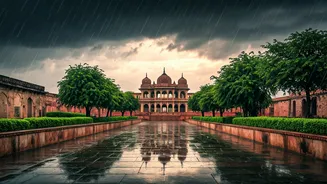
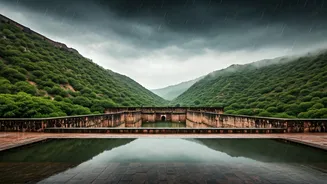
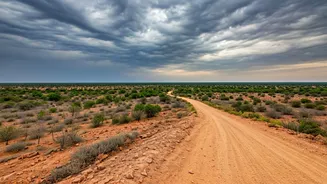
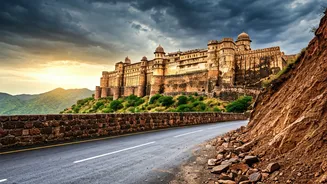
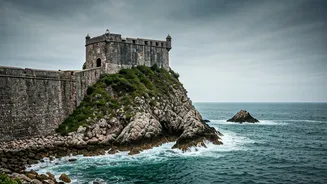
Most tourists avoid India's monsoon season, but that's precisely where the magic lies. The period between July and September transforms the subcontinent. In Rajasthan, the arid landscape turns a surprising, lush green. Forts like Mehrangarh in Jodhpur
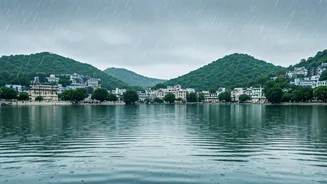
and Amber Fort in Jaipur appear even more majestic against dramatic, overcast skies, their stone facades darkened by rain. The water levels in lakes rise, restoring places like Udaipur's Lake Pichola to their full glory, making a stay at a waterside palace even more breathtaking. The downpours are often short and manageable, leaving behind cooler temperatures and a world washed clean, making it a perfect time for exploration without the scorching heat of peak season.
Live Inside the Walls of History
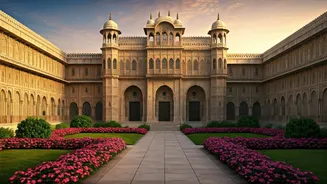
A heritage vacation elevates your trip from simply seeing historical sites to living within them. India's heritage hotels are former palaces, forts, and grand mansions (havelis) that have been meticulously restored. These are not replicas; they are living museums where you can sleep in rooms once occupied by royalty, dine in grand halls, and walk through courtyards that have witnessed centuries of history. Properties like the Samode Haveli in Jaipur or the 14-level Neemrana Fort-Palace offer an authentic glimpse into a bygone era, complete with quirky architecture and antique furnishings that hum with old-world charm. Staying in one of these properties is an immersive experience, connecting you to the country's regal past in a way a standard hotel never could.
Find Solitude and a Deeper Connection
One of the greatest luxuries of off-season travel is the absence of crowds. Visiting India’s most iconic sites during the monsoon means you can experience places like the City Palace in Udaipur or the ghats of Varanasi without the usual throngs of tourists. This tranquility extends to your accommodation. With fewer guests, heritage properties feel less like busy hotels and more like private estates. The staff are less hurried, the atmosphere is more relaxed, and you have the space to truly absorb the history around you. This slower pace allows for more meaningful interactions and a more personal connection to the place, offering a quieter, more introspective journey.
A Photographer’s Atmospheric Dream
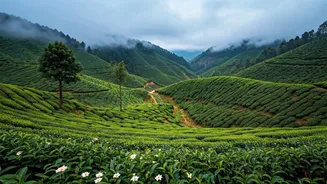
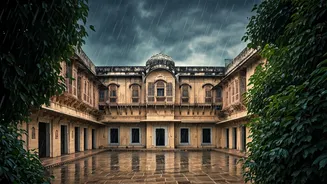
For photographers and anyone with a keen eye for aesthetics, moody weather is a gift. The soft, diffused light of an overcast day is far more flattering for capturing architectural details than harsh, direct sunlight. Mist-shrouded mornings in the Himalayas or the reflection of a stormy sky in a palace courtyard create scenes of unparalleled drama and beauty. The rain enhances colours, making the pink city of Jaipur appear deeper and the greens of the Aravalli hills more vibrant. This unique, atmospheric light provides an opportunity to capture a side of India that is rarely seen in mainstream travel brochures, resulting in images that are both unique and evocative.
The Unique Comfort of Cozy Luxury
There is a distinct pleasure in sipping a hot cup of chai on a covered veranda while watching the rain fall on a centuries-old garden. Moody weather invites you to slow down and enjoy the comforts of your surroundings. Many heritage hotels offer cozy libraries, rejuvenating spa treatments, and exquisite regional cuisine that are best enjoyed at a leisurely pace. Imagine curling up with a book in a window alcove at a restored palace in the mountains, like The Naini Retreat in Nainital, or enjoying a traditional Rajasthani music performance in the evening as the temperature cools. This combination of atmospheric weather and regal hospitality creates a sense of cozy, intimate luxury that is an experience in itself.