






Why This Method Works Wonders
Before we get our hands dirty, let's understand why this is such a brilliant hack for modern Indian homes. First, upcycling. We all have a steady stream of boxes from online shopping. Instead of just throwing them away, you're giving them a second life.
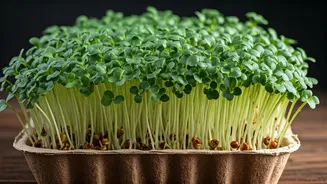
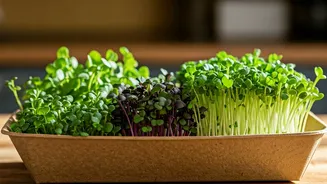
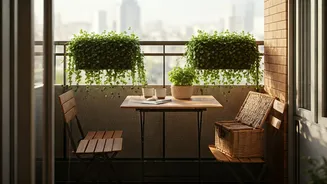
Second, space. If you live in an apartment in Mumbai, Bengaluru, or Delhi, you know that a balcony garden is a luxury. This method requires only a small patch of windowsill. Finally, freshness. Microgreens are tiny powerhouses of flavour and nutrition, perfect for adding a gourmet touch to your dal, salads, or sandwiches. Growing them yourself means they are as fresh, organic, and pesticide-free as possible.
Gather Your Urban Farming Kit
You don't need expensive equipment. Most of what you need is likely already at home. Here’s a simple checklist: * **A Cardboard Box:** A shallow one, like those used for shoes or food deliveries, works best. Around 4-6 inches deep is ideal. * **A Liner:** To prevent the cardboard from getting soggy and to create a food-safe barrier. A thick plastic bag (like a clean garbage bag) or a food-safe plastic sheet works perfectly. * **Growing Medium:** A bag of organic coco peat or a good quality potting mix. Coco peat is light and retains moisture well, making it perfect for microgreens. * **Organic Seeds:** Choose aromatic varieties that grow quickly. More on this next. * **A Spray Bottle:** For gentle watering. * **Scissors:** For harvesting your greens.
Choose Your Aromatic Seeds
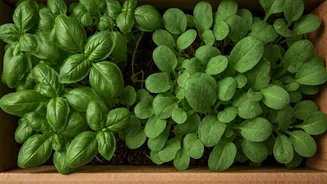
The secret to an 'aromatic' harvest is in the seeds. For beginners, it’s best to start with seeds that germinate easily and grow fast. Many of these are staples in Indian cooking. Consider these options: * **Mustard (Rai):** Peppery and sharp, they sprout in just a couple of days and are ready to harvest in about a week. They add a wonderful zing to salads. * **Fenugreek (Methi):** Slightly bitter and deeply aromatic, methi microgreens are a classic. They grow quickly and are incredibly flavourful. * **Coriander (Dhania):** While a bit slower to germinate, having fresh coriander on hand is a game-changer. The micro version has an intense, clean flavour. * **Basil:** Sweet Italian or Thai basil microgreens are incredibly fragrant and perfect for garnishing pasta or curries. * **Radish:** Spicy and crisp, radish microgreens are one of the fastest and easiest to grow.
Step-by-Step Planting Guide
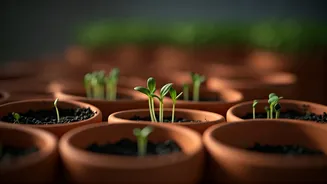
Ready to plant? Follow these simple steps. 1. **Prep the Box:** Place your plastic liner inside the cardboard box, folding it neatly to cover the base and sides. Poke a few small holes in the bottom of the liner (and the box itself) for drainage, and place a tray underneath to catch any excess water. 2. **Add the Soil:** Fill the box with about 2-3 inches of your coco peat or potting mix. Gently press it down to create a flat, even surface. 3. **Moisten the Soil:** Use your spray bottle to thoroughly dampen the soil. You want it moist, but not waterlogged. 4. **Sow the Seeds:** Sprinkle your chosen seeds evenly and densely across the surface of the soil. There’s no need to bury them; just let them sit on top. Gently press them into the soil with your hand. 5. **Initial Watering and Blackout:** Give the seeds one more light misting. Now, cover the box with a lid or another piece of cardboard to block out all light. This blackout period (usually 2-4 days) encourages the seeds to germinate and grow strong roots.
Care, Light, and Harvest
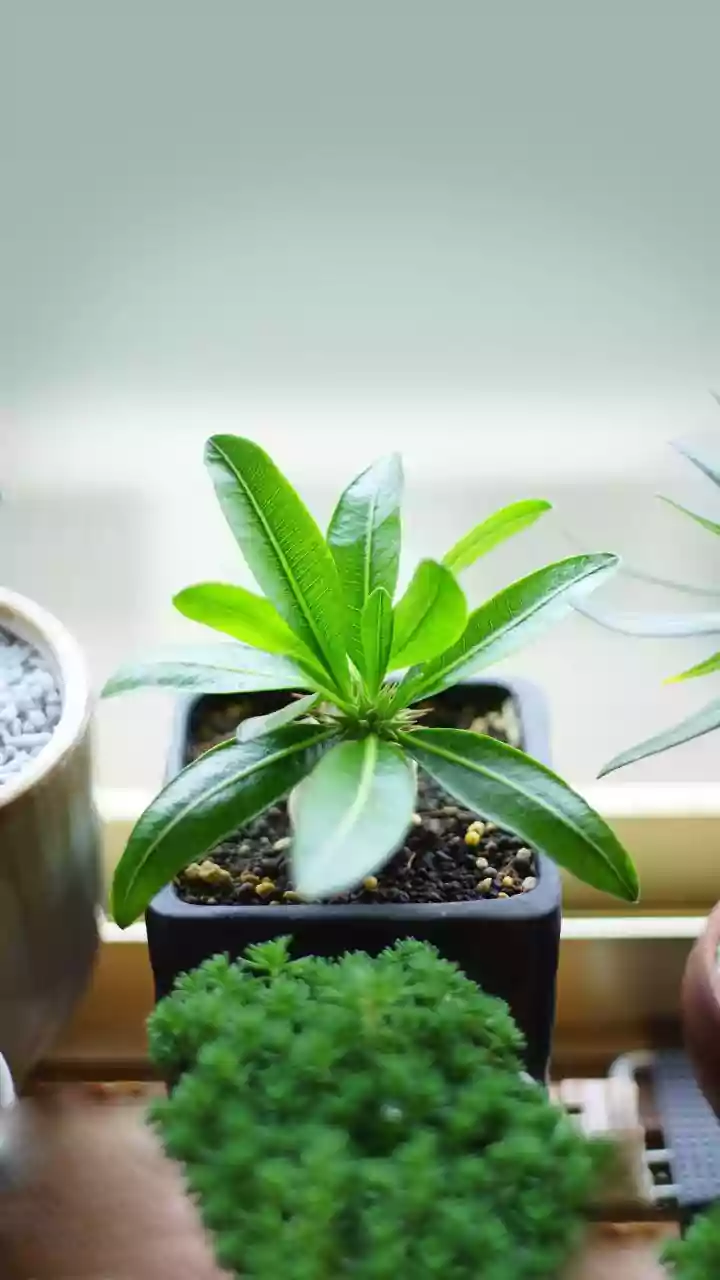
After a few days in the dark, you’ll see tiny, pale sprouts. That's your cue to introduce them to light. Place the box on a windowsill where it can get 4-6 hours of indirect sunlight. Direct, harsh sun can scorch the delicate plants. Water them daily with your spray bottle, aiming for the base of the sprouts to keep the leaves dry and prevent mould. In about 7-14 days, depending on the variety, your microgreens will be 2-3 inches tall with their first set of true leaves. This is the perfect time to harvest. Use a pair of clean scissors to snip the greens just above the soil line. Do not pull them out, as you can sometimes get a second, smaller harvest from the stems.