




The Brightening Power of Orange Peels
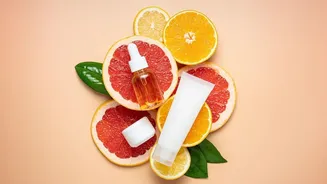
Often discarded without a second thought, orange peels are a powerhouse of Vitamin C, containing significantly more than the fruit's pulp. This makes them incredibly effective for brightening a dull winter complexion. The citric acid in the peel acts
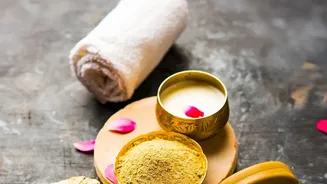
as a natural exfoliant, helping to slough off dead skin cells and reduce the appearance of blemishes and dark spots. Its antibacterial and antimicrobial properties also make it suitable for acne-prone skin. For a simple and effective face pack, you can create your own orange peel powder. To do this, collect peels from organic oranges, remove the white pith, and let them dry completely in the sun or a low-temperature oven. Once brittle, grind them into a fine powder. Mix one tablespoon of this powder with two tablespoons of plain yogurt to form a smooth paste. Apply this to your face and neck, leaving it on for about 15-20 minutes before rinsing with water. The yogurt adds lactic acid and hydration, complementing the peel's brightening effects.
Hydration from Banana Peels
Winter air can strip the skin of its natural moisture, leading to dryness and flakiness. The humble banana peel, rich in potassium, antioxidants, and vitamins, offers a surprisingly effective remedy. These nutrients help to hydrate and nourish the skin, reduce inflammation, and promote a healthy glow. While some online trends have dubbed it 'natural Botox', its effects are more about temporary smoothing and hydration rather than muscle-freezing. The easiest way to use a banana peel is to simply rub the soft, inner side directly onto your clean face in gentle, circular motions. Let the residue sit for 10-15 minutes, allowing your skin to absorb the nutrients, before rinsing with lukewarm water. For an enhanced moisturising mask, you can blend the inner part of the peel with a teaspoon of honey, which is a natural humectant that draws moisture into the skin. Apply this paste for 15 minutes for a soft, supple feel.
Anti-Aging with Pomegranate Peels
Pomegranate peels are packed with potent antioxidants, such as polyphenols and flavonoids, which are excellent for combating signs of aging. These compounds help protect the skin from free radical damage caused by environmental stressors, a key contributor to wrinkles and fine lines. The peel also possesses anti-inflammatory properties that can soothe irritated skin and may even offer some protection against UV damage. To make a rejuvenating face pack, you can use dried and powdered pomegranate peel. Mix a tablespoon of the powder with rose water or yogurt to create a paste. Apply this to your face and let it dry for about 15-20 minutes. This mask can help detoxify the skin, tighten pores, and improve skin elasticity over time. Its ability to help repair sun-damaged skin makes it a valuable ingredient in a year-round skincare routine, but it is especially useful for reviving tired skin in winter.
Gentle Exfoliation with Papaya Peels
If your skin feels rough or looks lacklustre, papaya peel can offer a gentle solution. The peel contains an enzyme called papain, which works as a natural exfoliant. Papain helps break down and dissolve dead skin cells from the surface without the need for harsh scrubbing, revealing smoother, more radiant skin underneath. This enzymatic action makes it particularly suitable for sensitive skin that might be irritated by physical scrubs. Using it is incredibly simple. After eating a papaya, take the fresh peel and rub the fleshy side over your clean face and neck. Let the juices work their magic for about 15-20 minutes before rinsing off. Papaya is also a rich source of Vitamins A and C, which further help to improve skin tone and texture. Regular use can help manage pigmentation and leave your skin feeling soft and refreshed.
A Note on Safety and Patch Testing
While these home remedies are natural, it's crucial to remember that not all natural ingredients are suitable for every skin type. Some fruit acids can be potent and may cause irritation, especially on sensitive skin. Before applying any new preparation to your face, always perform a patch test. Apply a small amount of the mask or paste to a discreet area of your skin, like behind your ear or on your inner arm, and wait 24 hours to see if any redness or irritation occurs. Always use fresh, clean peels, preferably from organic fruits, to avoid applying pesticides to your skin. If you have a known skin condition, allergies, or highly reactive skin, it is always best to consult with a dermatologist before trying new DIY treatments.