




Donation: Giving Items a Second Life
Donating is often the first choice for items that are still in good, usable condition. It extends the life of a product, reduces waste, and directly helps those in need. Many non-profits and charities across India accept a wide range of goods to support
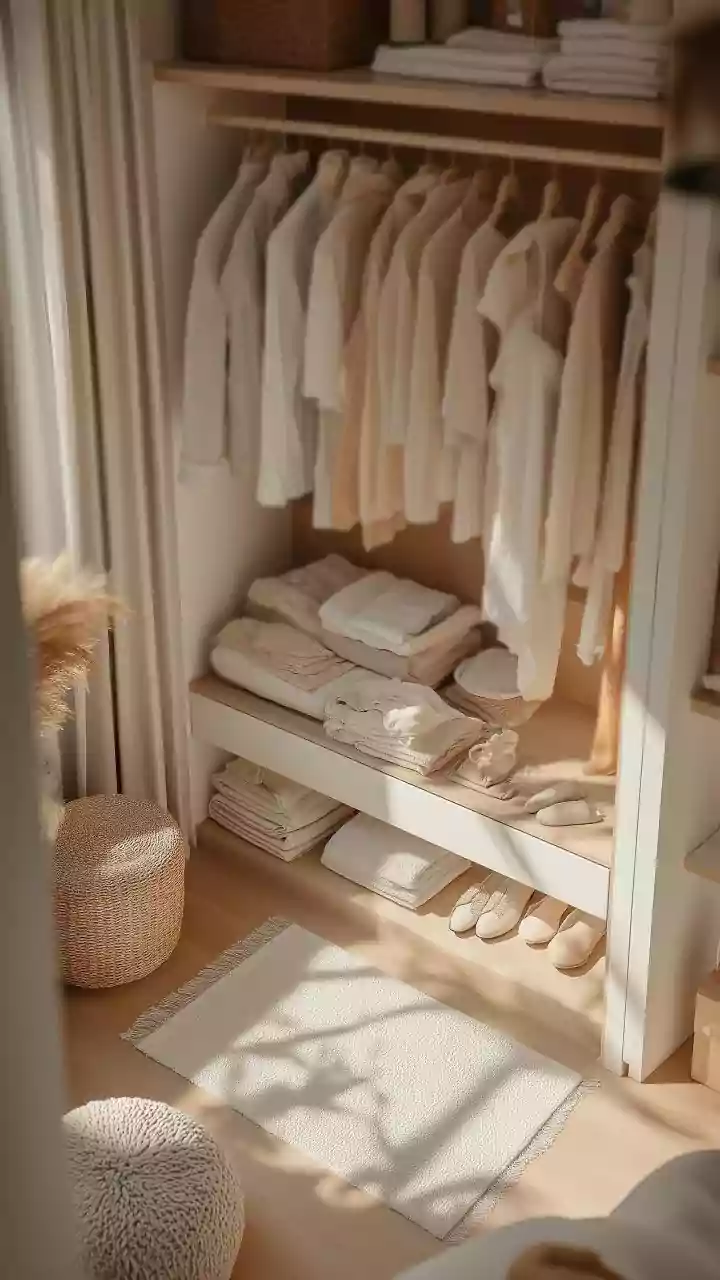
their community programs. For clothes, organisations like Goonj and Clothes Box Foundation have nationwide collection efforts. Goonj, for instance, has reused millions of kilograms of material, turning some of it into essential items for rural communities. For furniture, books, and even appliances, NGOs like Asha Bhawan and foundations listed on platforms like Sevastack can often arrange for pickups, ensuring your larger items find a new home without you having to handle the logistics. Before donating, always ensure items are clean and functional. A good rule of thumb is to ask yourself if you would give it to a friend. If so, it’s likely suitable for donation. Labelling your bags can also help organisations sort items more efficiently.
Sharing and Gifting: The Community Approach
Beyond formal charities, there's a growing movement for direct, community-based sharing. This path is ideal for items that may not fit NGO requirements but are still too good to throw away. Online platforms have made this easier than ever. Websites and local social media groups dedicated to free-cycling allow you to post items for free, connecting you directly with neighbours who need them. Services like Share At Door Step have streamlined this process, offering doorstep pickup for clothes, toys, and books, and ensuring they reach partner NGOs. This approach fosters a sense of community and ensures that your items are going to someone who has an immediate, specific need for them. It’s a fast and efficient way to declutter, especially for miscellaneous household goods that might otherwise be difficult to place.
Recycling: The Responsible End-of-Life Option
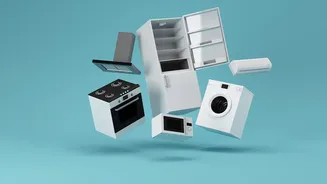
When an item is broken, worn out, or simply cannot be reused, recycling is the next best step. However, recycling in India is complex and varies by material. For textiles that are too worn to be donated, some organisations like Respun specialise in recycling them into new yarn or industrial materials. This prevents them from ending up in landfills, where they contribute to pollution. Electronics, or e-waste, are a particularly hazardous category and should never be thrown in the regular bin. Due to toxic materials like lead and mercury, e-waste requires special handling. Under India's E-Waste Management Rules, producers are responsible for setting up collection and recycling systems. This means many major electronics brands like Apple and Samsung have take-back programs. You can also find authorised e-waste recyclers through the Central Pollution Control Board (CPCB) portal to handle everything from old phones and chargers to refrigerators and washing machines.
Upcycling: The Creative Alternative
For those with a creative streak, upcycling offers a way to transform old items into something new and valuable. This tradition of reuse has deep roots in Indian households and is now finding modern expression. An old, torn saree can be turned into vibrant cushion covers or a table runner. Glass jars can become stylish storage containers, while old wooden crates can be stacked into rustic bookshelves. Even tin cans can be painted and used as planters for a small herb garden. Unlike recycling, which breaks down materials, upcycling preserves the essence of the original object while giving it a new function and aesthetic. This approach not only saves items from the landfill but also allows you to create unique, personalized decor for your home without spending a rupee. It’s the ultimate fusion of sustainability and creativity.