






Two Cities, One Goal: Global Connectivity
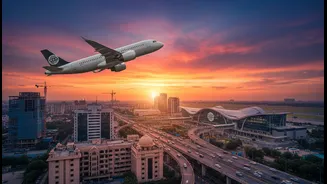
The skies above Central India and the Mumbai Metropolitan Region (MMR) are buzzing with new potential. On July 15, 2026, two significant events are poised to reshape air travel. In Madhya Pradesh, international operations are resuming from Indore's Devi
Ahilyabai Holkar Airport with an Air India Express flight to Abu Dhabi after a four-and-a-half-month pause. On the same day, the long-awaited Navi Mumbai International Airport (NMIA) is scheduled to launch its own international passenger and cargo services, starting with an Air India Express flight to Abu Dhabi. These developments are more than just new routes; they represent a strategic shift, bringing direct international access to the doorsteps of two major economic and cultural centres. For Indore, the commercial heart of Madhya Pradesh, this restores a vital link to global hubs. For Navi Mumbai, it marks the birth of a new gateway designed to alleviate pressure on Mumbai's congested Chhatrapati Shivaji Maharaj International Airport (CSMIA) and unlock growth across the MMR.
Easier, Cheaper Travel for Millions
For decades, travellers from cities like Indore or the suburbs around Navi Mumbai faced a multi-step journey to fly abroad, involving costly and time-consuming connecting flights through Delhi or Mumbai. The launch of direct international services changes that equation entirely. A passenger from Indore can now connect to over 80 cities in Europe and North America through Abu Dhabi, bypassing the chaos of India's larger metro airports. Similarly, the millions living in Navi Mumbai, Thane, and Pune will have a world-class international airport in their backyard, saving hours of travel time to CSMIA. This improved access makes international travel more convenient and potentially more affordable, as increased competition and reduced transit needs can lead to lower overall fares. It opens up new possibilities for families visiting relatives abroad, students pursuing overseas education, and tourists planning their next vacation.
Fuelling Business and Economic Growth
Airports are powerful economic engines, and the impact of these new international links will extend far beyond passenger convenience. For Indore, a burgeoning hub for pharmaceuticals, IT, and manufacturing, direct international cargo and passenger flights are a game-changer. They facilitate quicker exports for time-sensitive goods and make it easier for business leaders to connect with global partners, attracting foreign investment and fostering commercial ties. In Navi Mumbai, the airport is the anchor for a massive economic development plan, including the Navi Mumbai Airport Influence Notified Area (NAINA), envisioned as a smart city with IT parks, commercial centres, and logistics hubs. The airport is projected to create thousands of direct and indirect jobs in aviation, hospitality, retail, and logistics, stimulating economic activity across the region.
A Gateway for Regional Tourism
These airports are also set to redraw India's tourism map. International tourists traditionally enter through Delhi or Mumbai to visit the 'Golden Triangle'. Now, direct flights to Indore will provide a new entry point to the cultural and spiritual heart of India. This opens up easier access to destinations like the temple cities of Ujjain and Omkareshwar, the historic town of Mandu, and the state's wildlife sanctuaries. Similarly, Navi Mumbai's airport will serve as a new gateway to Maharashtra’s diverse attractions, from the beaches of the Konkan coast to the hill stations of Lonavala and Mahabaleshwar and the caves of Ajanta and Ellora. By decentralising tourist arrivals, these airports can help distribute the economic benefits of tourism more evenly and encourage the development of new travel circuits, moving beyond the well-trodden paths.