



An Ambition Too Big for One Rocket
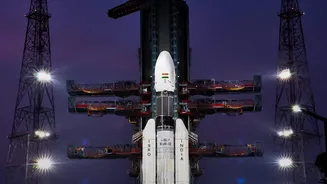
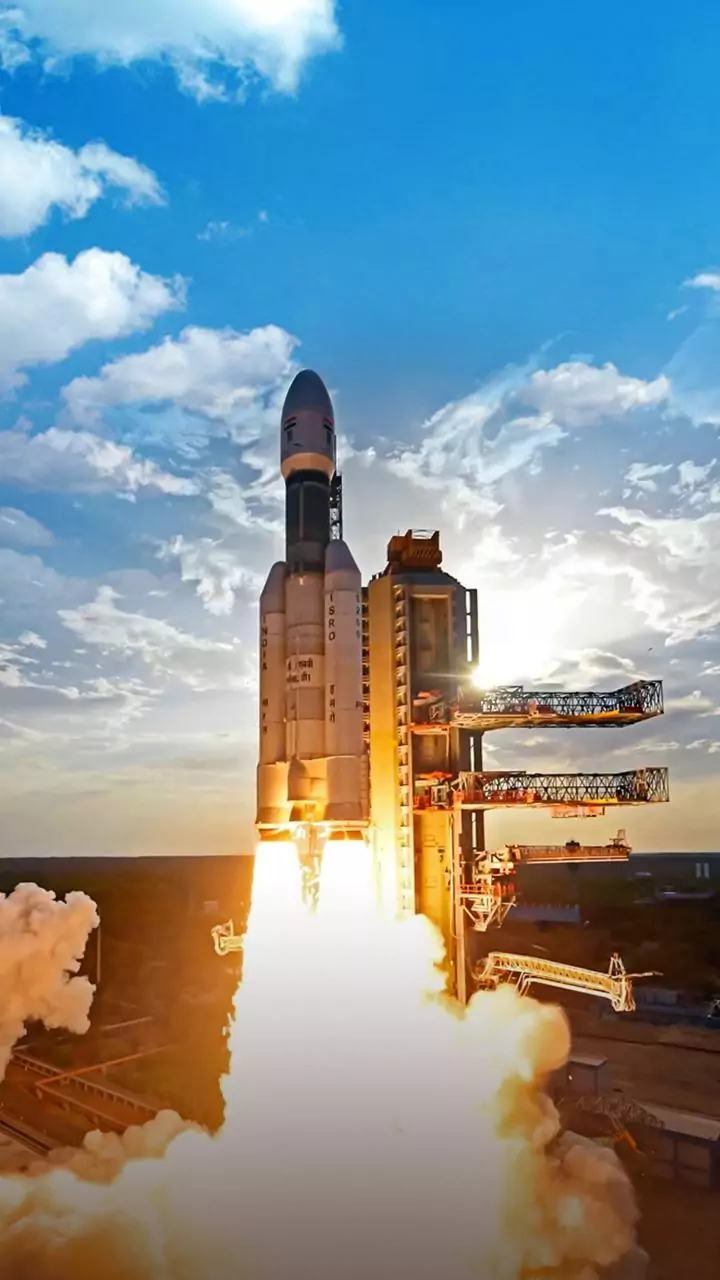
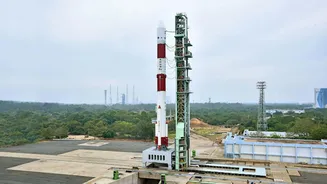
Bringing lunar soil home is exponentially harder than just landing. The mission requires so much equipment that ISRO's most powerful rocket, the LVM3, cannot lift it all in a single go. The solution is as ambitious as the goal itself: launch the mission in two
separate parts and assemble the spacecraft in Earth's orbit. The entire Chandrayaan-4 mission is comprised of five distinct modules: a Propulsion Module, a Descender (lander), an Ascender, a Transfer Module, and a Re-entry Module. This multi-launch, multi-module architecture involves mastering in-orbit docking, a feat ISRO has been preparing for with precursor missions, and one that is critical for the success of Chandrayaan-4.
The Five-Module Orchestra
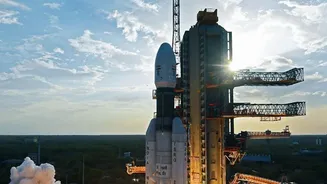
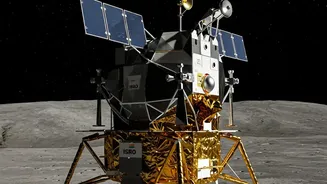
Each of the five modules has a crucial role to play in this complex interplanetary relay race. First, two rockets will launch. One will carry the Descender and Ascender modules, while the second will carry the Propulsion, Transfer, and Re-entry modules. These two stacks will meet and dock in Earth orbit. The Propulsion Module then fires to push the combined 9,200 kg spacecraft towards the Moon before being jettisoned. Once in lunar orbit, the real action begins. The Descender and Ascender will separate to make the journey to the surface, while the Transfer and Re-entry modules wait in orbit for their return passenger.
Landing, Drilling, and Packing
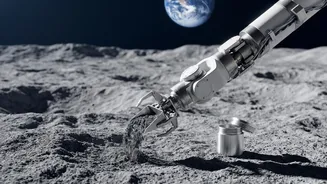
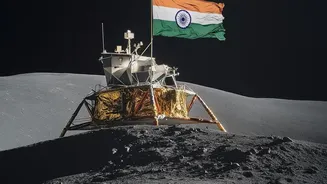
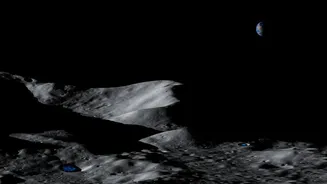
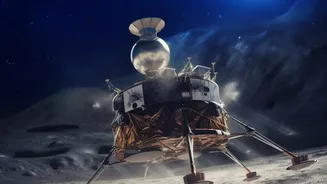
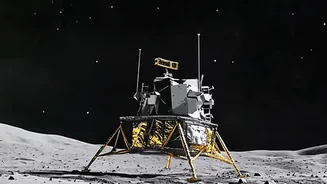
The landing itself will leverage the proven technology of Chandrayaan-3 to achieve a soft touchdown near the Moon's resource-rich south pole. Once safely on the surface, the mission's scientific work begins. A robotic arm on the lander will scoop up surface soil, or regolith, while a drill will collect samples from beneath the surface. This is a key objective, as subsurface soil is shielded from the harsh radiation and temperature swings of the lunar surface, preserving a more pristine record of the Moon's history. These precious samples, totaling up to three kilograms, will be transferred into containers and sealed inside the Ascender Module to protect them from contamination.
The Great Escape: Launching from the Moon
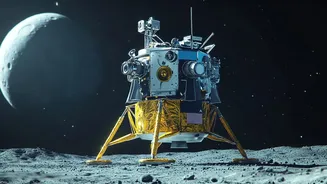
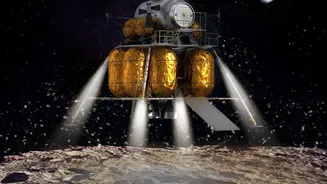
This is perhaps the most challenging and novel part of the mission for ISRO: launching a rocket from another celestial body. The Ascender module, carrying the samples, will use the Descender module as a launchpad, firing its own engines to lift off from the lunar surface and climb back into orbit. This maneuver requires perfect precision and autonomy. Once in lunar orbit, the Ascender must perform another complex task: finding and docking with the Transfer Module that has been patiently circling the Moon.
The Final Hand-Off and Fiery Return
After the successful rendezvous in lunar orbit, another robotic transfer will occur. The sealed sample container will be moved from the Ascender into the Re-entry Module. With the cargo secure, the Ascender is left behind in lunar orbit. The Transfer Module then fires its own engine for the trans-Earth injection burn, sending the Re-entry Module on its final journey home. As it nears our planet, the Re-entry Module, designed to withstand the immense heat and pressure of atmospheric entry, will separate and streak through the sky. It will deploy parachutes for a final, gentle landing, bringing the first pieces of the Moon ever collected by India safely back to Earth for study.