








Beyond Just Rain or Shine
Experienced travellers know that a modern weather forecast is about much more than just temperature and precipitation. It’s a detailed dashboard that can dictate your itinerary, packing list, and even your daily activities. Paying attention to the ‘feels
like’ temperature, which accounts for wind chill and humidity, gives you a much truer sense of how to dress. High humidity can make a moderate 30-degree day feel oppressive, while a dry 15-degree day might be perfectly pleasant. Similarly, metrics like the UV Index are crucial for planning outdoor activities, reminding you when sunscreen and protective clothing are non-negotiable. Overlooking these details is a common mistake that can lead to discomfort and spoiled plans. Making it a habit to check these advanced metrics is the first step towards smarter travel.
Harnessing the Power of Air Quality
A metric that is increasingly vital for travellers, especially in urban areas or during certain seasons, is the Air Quality Index (AQI). Poor air quality can have a significant impact on health, especially for those with respiratory issues, and can diminish the enjoyment of sightseeing. High levels of pollutants can lead to reduced visibility, making that long-awaited scenic view a hazy disappointment, and can make outdoor activities like walking tours or hiking physically uncomfortable. Before your trip, use websites and apps that provide real-time AQI data for your destination. If the forecast shows poor air quality, you can adjust your plans to include more indoor activities like museums or galleries, or plan outdoor excursions for times of the day when the air quality is typically better.
Choosing Your Digital Weather Guide
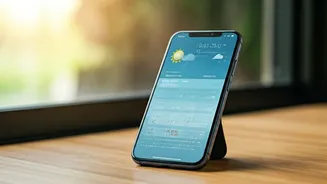
Not all weather apps are created equal. While your phone's default app is a good starting point, dedicated weather applications often provide more detailed and specialised information. Apps like AccuWeather are known for their hyperlocal forecasts and features like MinuteCast, which can predict precipitation on a minute-by-minute basis. Others, like Weather Underground, are praised for their straightforward interfaces. For more adventurous trips, apps like Windy focus on wind patterns, which is invaluable for sailing or hiking on exposed ridges. Many apps in India now offer robust local features, providing more accurate hyperlocal data than global competitors. The key is to find an app that provides radar maps, hourly breakdowns, and the specific metrics that are most relevant to your planned activities.
Using Forecasts to Build Your Itinerary
A weather forecast shouldn't be a last-minute check; it should be a dynamic tool for building your schedule. See a heatwave predicted for the afternoons? Plan your strenuous outdoor activities for the early morning and save indoor pursuits for the day's peak temperatures. Is there a high probability of a short, intense rain shower at 3 PM? Schedule your travel between locations for that time or plan a coffee break. By aligning your activities with the forecast, you avoid disappointment and make the most of every day. This proactive approach also applies to packing. Knowing there’s a consistent evening wind allows you to pack a light jacket, and seeing a high UV index forecast reminds you to pack enough sunscreen, preventing last-minute, overpriced purchases at your destination.
Understanding Long-Range Forecasts
Many apps offer 10-day or even 15-day forecasts, which can be useful for initial planning. However, it’s important to understand their limitations. Forecast accuracy naturally decreases the further out you look. A 7-day forecast is generally about 80% reliable, but beyond that, you should focus on trends rather than specifics. Use long-range forecasts to get a general sense of upcoming weather patterns—for example, to see if a cooling trend is expected or if a wet period is likely. As your departure date gets closer, shift your focus to the more reliable 3-to-5-day forecasts for concrete planning and use the hourly and minute-by-minute forecasts for your day-to-day decisions on the ground.