



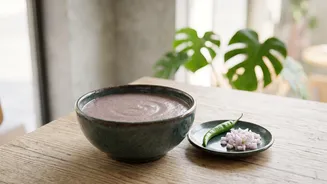
What Exactly Is Pazhanthanji?
Known by many names across India — Pazhaya Soru in Tamil Nadu, Panta Bhat in Bengal, or Neeragaram — Pazhanthanji is, at its core, staggeringly simple. It’s leftover cooked rice soaked in water and left to ferment overnight, traditionally in an earthen
pot. What was once a frugal practice to prevent food waste and a staple for farmers needing sustained energy has been rediscovered for its profound health benefits. The next morning, the once-plain rice transforms into a slightly tangy, cooling porridge, teeming with life. It’s typically eaten cold, mashed by hand, and mixed with simple additions like salt, buttermilk or curd, chopped shallots, and green chillies.
The Modern Wellness Connection
So why is this rustic meal suddenly trending among city dwellers? The answer lies in the global obsession with gut health. As people spend fortunes on supplements and kombucha, Pazhanthanji has emerged as India’s own natural, inexpensive probiotic powerhouse. The overnight fermentation process cultivates beneficial bacteria, like Lactobacillus, which are crucial for a healthy gut microbiome. A balanced gut is linked to everything from better digestion and reduced bloating to a stronger immune system and even improved mood. This ancient dish aligns perfectly with the modern desire for whole, functional foods that our ancestors relied upon for centuries.
A Nutritional Powerhouse Is Born
The magic of fermentation goes beyond just probiotics. The process unlocks and enhances the nutritional profile of the rice in remarkable ways. It breaks down anti-nutrients like phytic acid, making minerals more available for the body to absorb. As a result, the bioavailability of iron, potassium, and calcium can increase significantly. One analysis even noted that the iron content in rice can skyrocket after a 12-hour fermentation. Furthermore, the process synthesises essential B vitamins, including B6 and the often hard-to-get B12, which are vital for energy production. This transforms a simple carbohydrate into a naturally fortified superfood without any additives.
From Farm Staple to Urban Trend
The shift from a farmer's meal to a fitness enthusiast's choice is driven by a desire for clean energy. Pazhanthanji provides easily digestible carbohydrates for sustained fuel without the crash associated with processed breakfast foods. Its high water content also makes it exceptionally hydrating and gives it a natural cooling effect, perfect for India's climate. Health-conscious foodies and wellness influencers are now championing the dish, leading to its appearance in new forms. While some eateries have put traditional Pazhanthanji on their menus, others are giving it a modern makeover, blending it into smoothies or creating savoury bowls with tempered spices and vegetables.
How To Make It At Home
Embracing this trend is incredibly easy. Simply take leftover cooked rice (brown or red rice also work well) in a glass or clay bowl. Pour enough room-temperature water to cover the rice by about an inch. Cover it with a loose lid or cloth and let it sit on your kitchen counter for 8 to 12 hours. In the morning, the water will be slightly cloudy and have a subtle, tangy aroma. To enjoy it the traditional way, mash the rice gently with your hand, mix in some curd or buttermilk for creaminess, a pinch of salt, finely chopped shallots for crunch, and perhaps a minced green chilli for a bit of heat.