


The Ultimate Sensory Experience
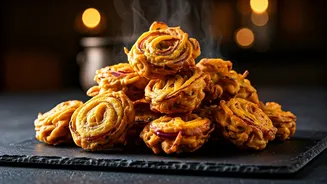
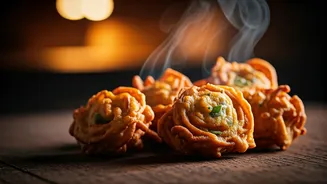
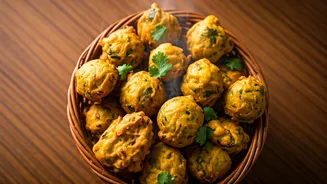
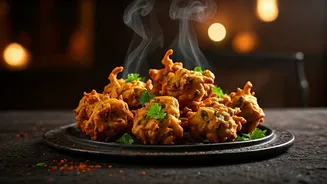
The magic of a pakora begins long before the first bite. It starts with the sizzle as the besan (gram flour) batter hits the hot oil, releasing an earthy, nutty aroma that fills the kitchen. Then comes the sound—that satisfying, deep-fried crunch that promises
instant gratification. The experience is a trifecta of sensory delight: the crispy exterior gives way to a soft, steaming interior, whether it's a sweet slice of onion, a fluffy piece of potato, or a cube of creamy paneer. It’s this textural contrast that makes every bite an adventure, a simple yet profound pleasure that cuts through the fatigue of a long day.
A Universe of Crispy Varieties
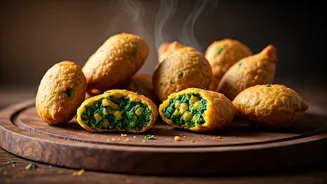
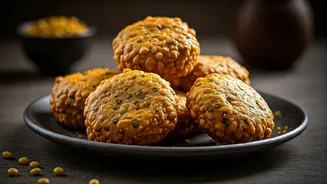
To say you like ‘pakoras’ is like saying you like ‘music’—the variety is staggering. The beauty of this snack lies in its versatility. The most common and beloved are the pyaz (onion) pakoras, with their sweet, slightly caramelised flavour, and aloo (potato) pakoras, which are soft and comforting. But the list is nearly endless. There are palak (spinach) pakoras, where leafy greens are crisped to perfection; paneer pakoras, offering a rich, protein-packed bite; and even bread pakoras, a hearty, sandwich-like creation often stuffed with a spiced potato filling. Every region, and indeed every household, has its own special twist, from mirchi (chilli) bajji in the south to gobi (cauliflower) pakoras in the north.
The Perfect Monsoon Companion
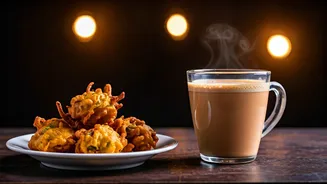
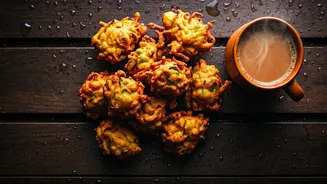
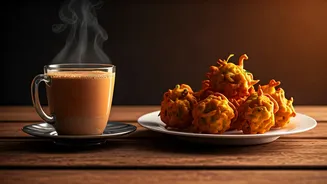
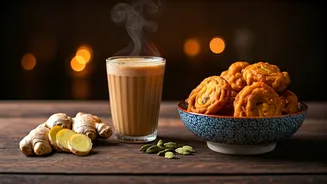
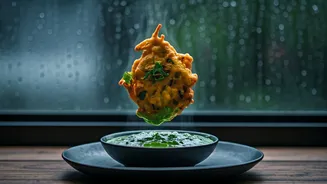
Is there a more iconic Indian image than a plate of hot pakoras and a cup of chai on a rainy day? The connection is almost spiritual. As grey clouds gather and the first drops of rain begin to fall, a collective craving for these golden fritters sweeps the nation. The warmth of the pakora provides a comforting contrast to the cool, damp weather. It’s a tradition that transcends generations. The sound of rain on the windowpane acts as a trigger, sending someone to the kitchen to whip up a quick batch. It’s not just about eating; it’s about embracing the moment, finding joy in the simple, cosy ritual of enjoying a hot snack while the world outside is washed clean.
The Essential Sidekicks: Chai and Chutney
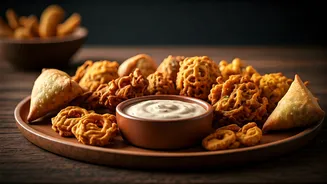
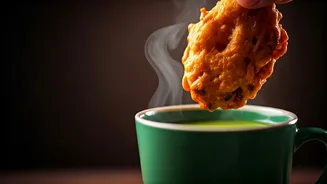
A pakora is rarely served alone. Its identity is deeply intertwined with its companions. First and foremost is a steaming cup of masala chai. The spicy, milky warmth of the tea cuts through the richness of the fried snack, cleansing the palate and preparing you for the next crispy bite. It's a culinary partnership forged in heaven. Then there’s the chutney. A tangy, spicy green chutney made with coriander and mint or a sweet-and-sour tamarind (imli) chutney provides the perfect acidic counterpoint to the savoury fritter. Dunking a hot pakora into a cool chutney elevates the experience from a simple snack to a complex burst of flavours—savoury, spicy, tangy, and sweet all at once.
More Than a Snack, It’s a Social Glue
Ultimately, the power of the pakora lies in its ability to bring people together. It’s the go-to snack for impromptu guests because it’s quick, uses pantry staples, and is a guaranteed crowd-pleaser. It’s the treat that families gather around on a lazy Sunday evening. It’s the staple of roadside stalls where friends catch up after work or college. Sharing a plate of pakoras is an act of community and connection. It doesn’t demand formality; it’s messy, meant to be eaten with your hands, and encourages conversation and laughter. In its humble, unassuming way, the pakora fosters togetherness, turning a simple evening into a shared, delicious memory.