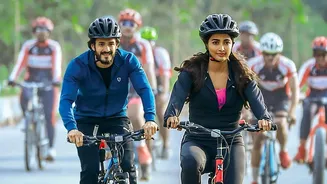




The sight is becoming more common on Indian roads: sleek, geared bicycles ridden not just out of necessity, but for fitness and leisure. This isn't just a fleeting trend; it's a significant shift in how urban Indians view health and mobility.
A National Shift Towards Fitness
Across India,
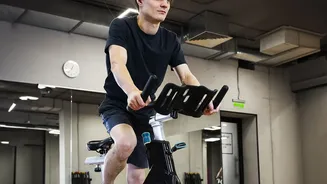
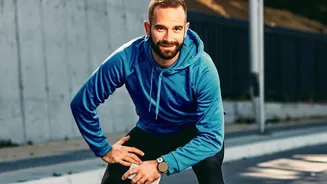
a quiet revolution is pedalling its way through cities. What was once primarily a child's toy or a poor man's transport is now a symbol of a health-conscious lifestyle. The primary driver behind the rising sales of premium, geared bicycles is a growing national focus on personal wellness. Studies consistently show that cycling is a powerful form of aerobic exercise that can significantly lower the risk of cardiovascular disease, improve mental health, and help manage weight. For many Indians navigating busy schedules, integrating exercise into their daily routine is a challenge. Cycling offers a practical solution: it’s a low-impact workout that can double as a commute or a refreshing morning ritual, eliminating the need to carve out separate time for the gym. This shift was accelerated during the pandemic, which forced many to seek safe, socially distanced forms of exercise. That initial push has since blossomed into a sustainable habit for thousands who have rediscovered the simple joy and profound health benefits of riding a bike.
The Meaning of 'Premium' in Today's Market
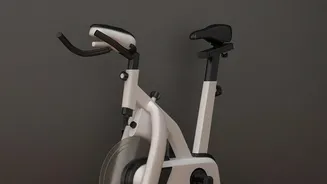
The demand isn't just for any bicycle; consumers are increasingly investing in 'premium' models. In the Indian context, this typically refers to bikes that cost upwards of ₹12,000 and come equipped with features designed for performance and comfort. These include multi-gear systems (like 7, 21, or 27-speed options), lightweight alloy or carbon-fibre frames, disc brakes for better stopping power, and ergonomic designs. Bicycles are now segmented into categories like hybrids (for city and light trail use), mountain bikes (MTBs) for rougher terrain, and road bikes built for speed. This willingness to spend more reflects a change in perception. The bicycle is no longer just a basic utility item but a piece of fitness equipment and a lifestyle accessory. Health-conscious buyers see the value in paying for features that make riding smoother, safer, and more enjoyable, ensuring they stick with their new fitness habit.
The Power of Community and Social Cycling
Another major factor fueling this trend is the incredible growth of cycling communities across the country. Cities like Bengaluru, Pune, Delhi, Hyderabad, and Chennai have vibrant and active cycling groups that organize weekly rides, workshops, and long-distance tours. These communities, often coordinated through social media, provide motivation, support for beginners, and a sense of camaraderie. For many, a weekend group ride has become a social event—a chance to explore new routes, challenge themselves, and connect with like-minded individuals. This social dimension turns a solitary activity into a shared experience, making it more engaging and sustainable. Clubs such as the Hyderabad Bicycling Club and Delhi Elite Cyclists and Runners have become influential, promoting cycling for both fitness and as a social activity, further encouraging newcomers to join the movement.
Beyond Fitness: Aspiration and Environment
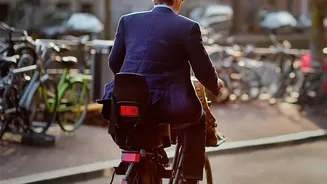
While health is the core motivator, the appeal of premium bicycles is also tied to aspiration and environmental consciousness. In urban centres choked by traffic and pollution, the bicycle is emerging as a smart, eco-friendly choice for short-distance travel. Riding a premium bicycle is becoming a statement. It signals an investment in personal health, a concern for the environment, and a modern, active lifestyle. This cultural shift is making cycling 'cool' again. Industry reports project steady growth for the Indian bicycle market, with the premium and electric segments expected to expand significantly. Projections indicate the market could grow from around USD 2.9 billion in 2024 to over USD 4 billion by 2030, driven by these evolving consumer attitudes.