

The Allure of a Greener Season
The monsoon, which typically lasts from June to September in Assam, transforms the state into a lush, vibrant paradise. The air is fresh, carrying the scent of wet earth and blooming flora. For those seeking an escape from crowded tourist spots, this
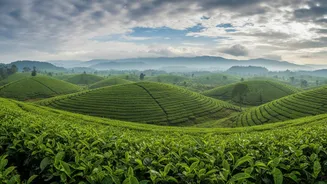
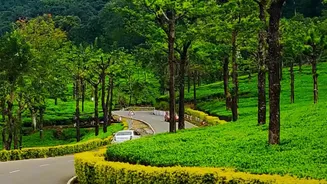
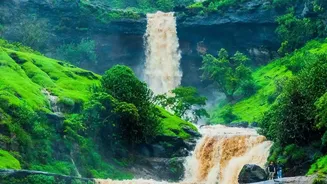
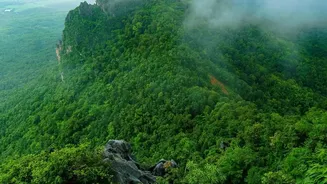
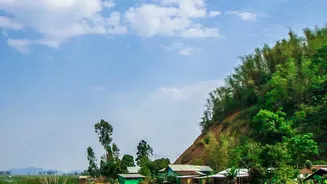
so-called 'off-season' offers a quieter, more intimate connection with nature. The landscape becomes a canvas of brilliant greens, from the rolling tea gardens to the dense forests. Waterfalls that are mere trickles in the dry season come roaring to life, and the mighty Brahmaputra river swells, showcasing its majestic power. This seasonal makeover is precisely what attracts travellers who prioritize natural beauty over predictable weather, offering a refreshing and immersive holiday.
Embracing the Rain in Key Destinations
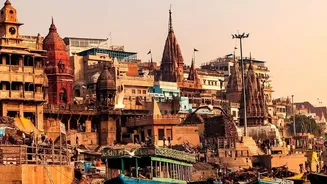
Contrary to the belief that everything shuts down, several parts of Assam remain accessible and incredibly beautiful during the monsoon. While core areas of some national parks close due to flooding, the surrounding regions and other sanctuaries offer unique experiences. For instance, Pobitora Wildlife Sanctuary, known for its dense rhino population, becomes exceptionally green and is great for monsoon safaris. Assam's only hill station, Haflong, is shrouded in mist, creating a serene and mystical atmosphere perfect for a peaceful retreat. Even the gateway city of Guwahati takes on a different charm, with rain-washed temples like Kamakhya feeling more spiritual and riverfront strolls along the Brahmaputra offering quiet contemplation.
The Magic of Majuli and Tea Gardens
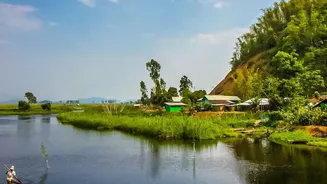
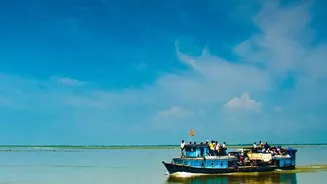
Majuli, the world's largest river island, offers a truly unique monsoon experience. As the Brahmaputra's waters rise, the island seems to float, and life adapts to a slower, water-centric rhythm. It's a time of incredible rejuvenation for the landscape, though travellers should be aware that flooding can make travel unpredictable and ferry services may be suspended. Similarly, Assam's famed tea estates in areas like Jorhat are a spectacular sight during the rains. The freshly washed leaves glisten, and the misty, cool weather is perfect for cozying up in a heritage tea bungalow with a warm cup of Assam tea, watching the rain fall over the endless gardens.
A Note on National Parks
It is crucial for visitors to know that major national parks like Kaziranga and Manas are mostly closed to tourists from around June to October. This is a necessary measure for visitor safety due to flooding and to allow the park's ecosystem to rejuvenate without disturbance. However, the areas surrounding these parks can still be explored. Some sources suggest that limited jeep safaris may operate in specific, elevated zones of Kaziranga's Central and Western ranges, but this is highly dependent on weather conditions and official park announcements. It's always best to check with park authorities for the most current information before planning a trip centred on wildlife safaris.
Planning Your Monsoon Adventure
A monsoon trip to Assam requires practical planning. Pack quick-dry clothing, a reliable raincoat, and waterproof footwear. Insect repellent is a must, especially in forested and wetland areas. While digital payments are common in cities, it's wise to carry enough cash when venturing into rural areas or visiting local markets. Be prepared for travel plans to change, as heavy rains can sometimes cause road closures or disrupt ferry schedules. Embrace flexibility as part of the adventure. Opting for stays in eco-resorts or local homestays can provide an authentic experience and support the local economy, which is increasingly benefiting from this nature-focused tourism.